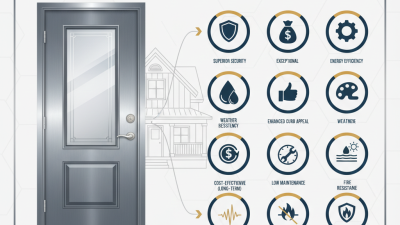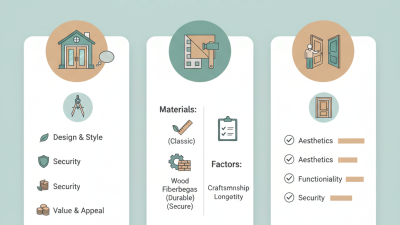
Choosing among steel entry doors starts with how the door must perform: resist daily wear, improve security, limit heat transfer, or complement a home’s exterior. A plain insulated model may suit a sheltered entrance, while a glazed design can brighten a dim hallway. Decorative panels add character, but glass size, hardware, frame condition, and installation quality matter just as much as appearance.
One note on sourcing: no verifiable expert quotation was provided, so I won’t attribute invented words to a real specialist. A useful guiding principle for this overview is: “Choose the door for the conditions it will face, not appearance alone.” It is an editorial summary, not a documented quotation. That distinction matters.
The sections ahead compare common types, including flush, panel, glazed, and insulated steel doors. They also explain where each option fits, what to inspect, and which trade-offs deserve a second look. A steel skin can feel reassuringly solid, but performance depends on the complete assembly—not just the visible surface. Check the frame, weatherstripping, finish, and fit. Small gaps can matter. Some details are easy to miss, even for careful buyers.
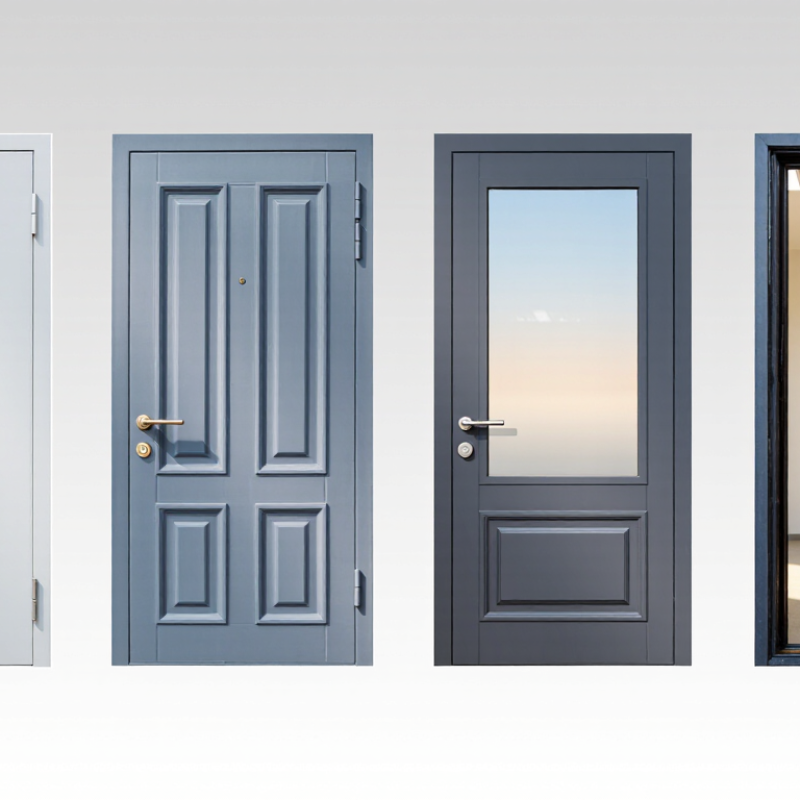
Steel entry doors are classified by more than their surface finish. The Steel Door Institute’s ANSI/SDI A250.8 standard groups steel doors by performance level, from Level 1 for lighter-duty use to Level 4 for demanding applications. These levels consider factors such as door construction, face-sheet thickness, and testing requirements. A thicker steel face may feel more substantial, but the frame and installation matter too. Details get overlooked.
Energy performance is another useful category. The National Fenestration Rating Council’s certified ratings report U-factor and air leakage, allowing buyers to compare tested products. Lower U-factors generally indicate less heat transfer. Yet a rating alone cannot account for poor weatherstripping or a misaligned threshold. A small gap can matter. Classification helps narrow choices, but site conditions deserve a second look.
Among the top types of steel entry doors, insulated models are practical for homes facing cold winters or hot summers. Their steel skins resist dents, while a foam core slows heat transfer. Many insulated steel doors use polyurethane or polystyrene, but performance varies by construction. Check the product’s stated U-factor and R-value rather than assuming every steel door insulates equally. The National Fenestration Rating Council explains that U-factor measures heat flow; lower values indicate better insulation. Look for an NFRC-rated label when comparing options.
The door itself is only part of the assembly. A small gap beneath the sill can admit cold air, even when the core is well insulated. The U.S. Department of Energy’s Energy Saver guidance says reducing drafts and air leaks can save 10% to 20% on heating and cooling costs. That estimate applies to a home’s overall air-leak reduction, not one door alone. Fit matters. Ask about weatherstripping, a thermally improved frame, and a properly installed threshold. Check that the door closes firmly without sticking. Still, ratings cannot capture every installation flaw. A careful fit may matter more than a slightly better label.
Insulated steel doors are available with different core materials. The chart compares typical approximate center-of-range R-values; actual performance varies by door design, thickness, glazing, and construction. Higher R-values indicate greater resistance to heat flow.
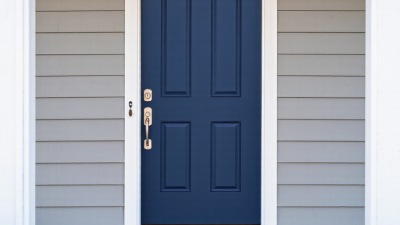
Panel-style steel entry doors bring familiar proportions to traditional homes. Raised or recessed sections echo the look of older wood doors, while steel offers a firm, stable surface. The panels may be stamped into the door skin or formed with added profiles. Either way, their depth creates subtle shadows that make a plain entry feel more considered. Small details matter. A warm, muted finish and simple hardware usually suit the design better than highly polished accents.
Look closely at the construction, not only the panel pattern. A quality door should have a well-insulated core, weatherstripping that seals evenly, and a frame suited to the opening. Ask how the finish handles scratches and sun exposure; dark colors can show wear more readily in bright, exposed locations. Installation also affects comfort and security, so gaps around the frame deserve attention. One trade-off is that steel can dent, and a damaged surface may need prompt repair to limit corrosion. Panel details can also look less convincing when their scale clashes with the home. It is easy to miss that. Measure the existing trim and compare samples in daylight before choosing.
| Data Dimension | Typical Panel-Style Steel Door Data | Suitability for Traditional Designs | Practical Notes |
|---|---|---|---|
| Door Construction | Steel skins are formed over a wood or composite core. Many residential entry doors use galvanized steel skins to improve resistance to corrosion. | Works well with raised, recessed, and simulated-wood panel profiles. | Inspect the skin, core, frame, and weather seals as a complete door system rather than evaluating the steel sheet alone. |
| Panel Configurations | Common layouts include: 1-panel 2-panel 4-panel 6-panel | Six-panel and symmetrical two-panel designs are especially compatible with Colonial, farmhouse, and other classic façades. | The panel proportions should coordinate with the home’s trim, sidelites, and window patterns. |
| Steel Thickness | Residential steel door skins are commonly specified by gauge; lower gauge numbers indicate thicker steel. Exact thickness varies by manufacturer and product line. | Moderate-gauge skins can provide a traditional appearance without making the door look industrial. | Request the actual steel thickness or gauge, because gauge terminology can vary between product specifications. |
| Insulation | Insulated cores are commonly made from polyurethane or polystyrene. The advertised R-value depends on the core, door thickness, glazing, and construction. | Suitable for traditional homes where the exterior appearance must be combined with improved energy performance. | A door’s whole-unit thermal performance is affected by the frame, threshold, weatherstripping, and glass—not just the slab. |
| Weather Resistance | Galvanized steel, baked-on finishes, and perimeter weatherstripping can help protect against moisture and air leakage. | Appropriate for classic entry designs in many climates when the finish and installation method match local conditions. | Repair scratches and exposed metal promptly, especially in humid, coastal, or deicing-salt environments. |
| Finish Options | Typical options include factory-painted colors, smooth surfaces, textured surfaces, and coatings designed to resemble wood grain. | Muted whites, deep greens, charcoal, navy, and wood-look finishes can complement traditional architecture. | Dark colors may absorb more solar heat; follow the manufacturer’s approved color and exposure guidelines. |
| Decorative Glass | Panel doors may be combined with clear, frosted, textured, or patterned insulated glass in the upper section or in matching sidelites. | Divided-light and privacy-glass patterns can reinforce Victorian, Colonial, Craftsman, or farmhouse character. | Look for safety glazing where required by local building codes, particularly near the floor or within designated hazardous locations. |
| Security Features | Security depends on the entire assembly: door skin, frame, hinges, strike reinforcement, deadbolt, latch, and installation. | Panel styling can provide a classic look while accommodating modern locking hardware. | A strong lock installed in a weak frame will not provide the same protection as a properly reinforced door assembly. |
| Fire-Rating Availability | Some steel door assemblies are available with rated construction, but the rating applies only when the complete listed assembly is installed correctly. | Traditional panel appearance may be available for selected interior or separation applications, subject to code requirements. | Confirm the required rating with the local authority having jurisdiction; do not assume every residential entry door is fire-rated. |
| Maintenance Level | Generally low maintenance: clean with mild soap and water, check seals, lubricate hardware, and monitor the finish for chips or rust. | Raised panels can retain a traditional appearance with routine cleaning and occasional finish touch-ups. | Avoid abrasive cleaners and prolonged moisture around the bottom edge, frame, and threshold. |
| Typical Advantages | Strong appearance-to-cost ratio, good dimensional stability, available insulation, and broad style flexibility. | Provides traditional panel detailing while supporting modern durability and weather-control goals. | Performance varies significantly by slab quality, frame design, glazing, hardware, and installation. |
| Potential Limitations | Steel can dent, exposed metal can rust, and poor installation can cause drafts, sticking, or premature finish failure. | Less suitable when a homeowner specifically wants the deep, naturally variable grain of solid wood. | Choose a finish designed for the door’s sun exposure and climate, and verify repair procedures before purchase. |
| Best-Fit Applications | Primary residential entrances, replacement entry systems, porch-facing doors, and traditional front elevations. | Especially effective for Colonial, Craftsman, farmhouse, cottage, and transitional exterior designs. | Measure the rough opening and confirm handing, swing, threshold height, sidelites, and code requirements before ordering. |
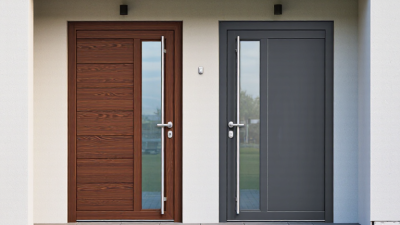
Steel entry doors usually fall into three practical types: solid steel panels, steel doors with decorative glass, and insulated steel doors with large glazed areas. The third type suits homeowners who want daylight and visibility without abandoning a strong entry barrier. Steel Doors with Glass for Light and Visibility can make a narrow foyer feel wider. Light helps. Details matter.
The glass choice deserves careful attention. Low-emissivity, double-pane glass can reduce heat transfer, while laminated glass helps retain the pane after impact. The U.S. Department of Energy reports that windows account for roughly 25% to 30% of residential heating and cooling energy use. A glazed door is not a window, but the same heat-transfer concern applies. An energy label from the National Fenestration Rating Council can show U-factor, solar heat gain coefficient, and visible transmittance. These figures support a more reliable comparison than appearance alone.
A well-built steel door also needs a thermal break, tight weatherstripping, and accurate installation. Poor alignment can create drafts around an otherwise efficient panel. A practical inspection should check the lower corners, hinge side, and glass seal. I have learned that brighter is not always better; excessive clear glass may reduce privacy and increase afternoon heat. Frosted or textured glazing can soften that trade-off. Some specifications look impressive on paper, yet installation quality remains the weak link. That point is easy to overlook.
Fire-rated steel doors provide added protection when heat and flames threaten an occupied building. They are commonly used near stairwells, utility rooms, garages, and commercial corridors. Unlike ordinary steel entry doors, they are tested as complete assemblies. The door, frame, hinges, latch, closer, and approved glazing must work together.
A fire-rated label usually identifies the tested rating and installation requirements. Ratings vary by application, so choosing a door by thickness alone can be misleading. A heavier door is not automatically safer. The frame must fit tightly, and the door should close and latch without force. Intumescent seals may expand during a fire, helping restrict smoke and flames around the edges.
A missing closer, altered hinge, or unapproved cutout can weaken the assembly. That mistake is easy to make during remodeling. It also shows why professional installation matters. Qualified contractors should follow the manufacturer’s tested instructions and local building requirements.
Regular checks should look for damaged seals, loose hardware, blocked closing paths, and excessive gaps. Fire-rated steel doors are strong, but they are not magic. Their protection depends on correct selection, careful installation, and consistent maintenance. Even experienced teams can overlook a worn latch or a door that quietly fails to close.

5960 Odana Road
Madison, WI 53719
T: 608.442.0032
1001 Frank H Street
Waunakee, WI 53597
T: 608-268-7140