What Type of Double Doors Are Best for Exterior Use?
Choosing the right double doors exterior system involves more than appearance. It affects weather resistance, security, daylight, maintenance, and indoor comfort. A wide glazed opening can transform a dark hallway. It can also invite drafts, water, and unwanted heat when poorly specified.
The U.S. Department of Energy reports that air leakage and heat transfer through building openings can significantly influence residential energy use. ENERGY STAR guidance also emphasizes insulated frames, low-emissivity glass, and tested performance ratings for efficient exterior doors. The National Fenestration Rating Council provides comparable values for U-factor, solar heat gain coefficient, and visible transmittance. These numbers matter more than showroom styling.
Building scientist Joe Lstiburek offers a practical warning: “Water is the most damaging thing that can happen to a building.” His point applies directly to double doors exterior installations. Threshold drainage, sill pans, compression seals, and head flashing deserve close attention. In coastal or rainy regions, fiberglass or engineered wood may outperform untreated solid wood. Steel can provide strength, but exposed edges require careful corrosion protection.
The strongest option depends on the opening, climate, exposure, and installation quality. That sounds less decisive. It is also more honest. A beautifully engineered door can still fail because the sill is level, the frame is twisted, or the sealant is incomplete. This guide compares hinged, sliding, wood, fiberglass, and steel designs. It focuses on tested performance, real installation conditions, and the small details that keep your entryway dry, secure, and comfortable.
Exterior Double Door Types and Their Core Differences
What Type of Double Doors Are Best for Exterior Use?
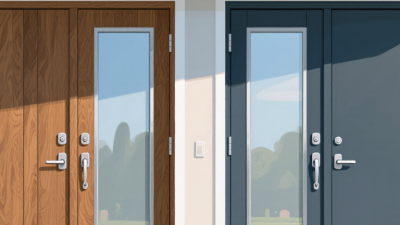
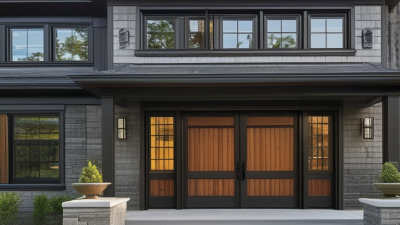
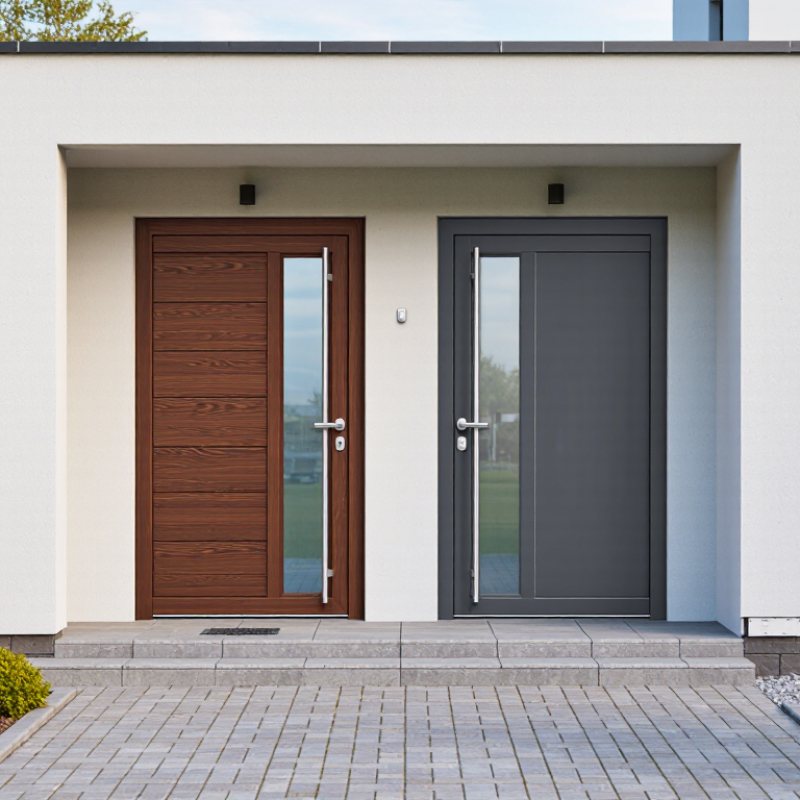
Exterior double doors differ in material, insulation, security, maintenance, and weather resistance. Solid wood doors create a warm, traditional entrance. They also offer strong sound control, but moisture can cause swelling, warping, or finish damage.
Fiberglass doors resemble wood while resisting rain, insects, and temperature changes. They suit homes exposed to changing weather.
Steel doors provide excellent strength and stable performance. However, damaged coatings may allow rust, especially near coastal air. Aluminum and glass systems create a bright, modern opening. Their slimmer frames maximize daylight, but glass quality matters for insulation and privacy. Some designs use insulated glazing and thermal breaks to reduce drafts. The best choice depends on exposure, traffic, and the building’s structure, not appearance alone. Details matter.
Tips:
Check the sill, weatherstripping, hinges, and threshold before choosing a style. A beautiful door can still leak beneath the frame. Measure twice, including wall depth and opening clearance. Ask an experienced installer to inspect drainage and fastener placement. Poor installation can weaken even a well-made door.
I have seen homeowners focus on panel material while overlooking the swing direction. That mistake can block a walkway or collide with nearby furniture.
Also consider daily use. Heavy wood panels may feel impressive, yet they require stronger hinges and careful alignment. Door performance can change after one wet season. Regular inspection is worth the effort.
How Climate and Exposure Affect Exterior Double Door Selection
What Type of Double Doors Are Best for Exterior Use?
Exterior double doors face more stress than interior doors.
Rain, sunlight, wind, and temperature swings all affect their performance. In wet climates, fiberglass or well-sealed engineered wood often resists swelling better than untreated timber. Coastal air adds salt, which can corrode metal hardware quickly. In hot regions, dark finishes absorb heat and may increase movement between the door leaves. I have seen a small gap become a sticking door after one harsh summer. Climate matters every day.
Exposure direction also deserves careful attention.
South- and west-facing doors usually receive stronger afternoon sunlight. A deep roof overhang can reduce heat and rain damage. Proper flashing, a sloped threshold, and clear drainage are just as important as the door material. Double doors need accurate alignment because both panels must meet evenly. No material is perfect. Even high-quality doors can fail when installation ignores local weather patterns.
Tips:
Check annual rainfall, wind levels, and seasonal temperature changes before choosing. Use corrosion-resistant hardware near the coast. Inspect seals each spring. Keep water away from the threshold. Consider lighter finishes in intense sun. If the opening feels exposed, add a porch or protective canopy. Small details help. Yet, I would still review the choice after one full year of weather. Real conditions can challenge careful assumptions.
Comparing Materials, Insulation, Security, and Maintenance
What Type of Double Doors Are Best for Exterior Use?
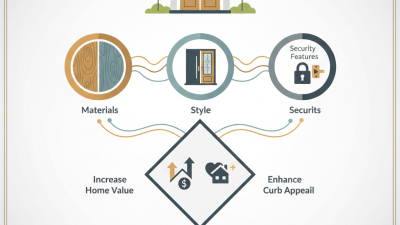
Exterior double doors must balance appearance with insulation, security, and maintenance. Fiberglass usually performs well because it resists moisture, warping, and dents. Steel offers stronger impact resistance, but exposed edges can rust if coatings fail. Wood feels warm and substantial, yet it demands regular sealing, especially in wet or sunny locations.
Look beyond the material. The National Fenestration Rating Council evaluates U-factor, solar heat gain coefficient, and air leakage. A lower U-factor generally means better insulation. The U.S. Department of Energy also identifies weatherstripping and threshold gaps as common sources of unwanted air movement. In practice, a beautifully insulated slab can still waste energy when the meeting stile is poorly sealed. That detail is easy to miss. For security, choose reinforced frames, protected hinges, long screws, and a quality deadbolt system. Glass panels should use laminated or impact-resistant construction where appropriate. No door is completely maintenance-free.
Tips:
Inspect the bottom sweep every season. Hold a tissue near the closed seam on a windy day; movement suggests leakage. Keep wood surfaces sealed, and check steel finishes for scratches. NFRC labels help compare products, but installation quality can change real performance. ENERGY STAR guidance also emphasizes certified performance ratings, though local climate conditions still matter. My practical preference is fiberglass with insulated cores for most exposed entrances, but coastal homes and shaded porches may require different choices.
Choosing the Right Door Configuration, Size, and Opening Direction
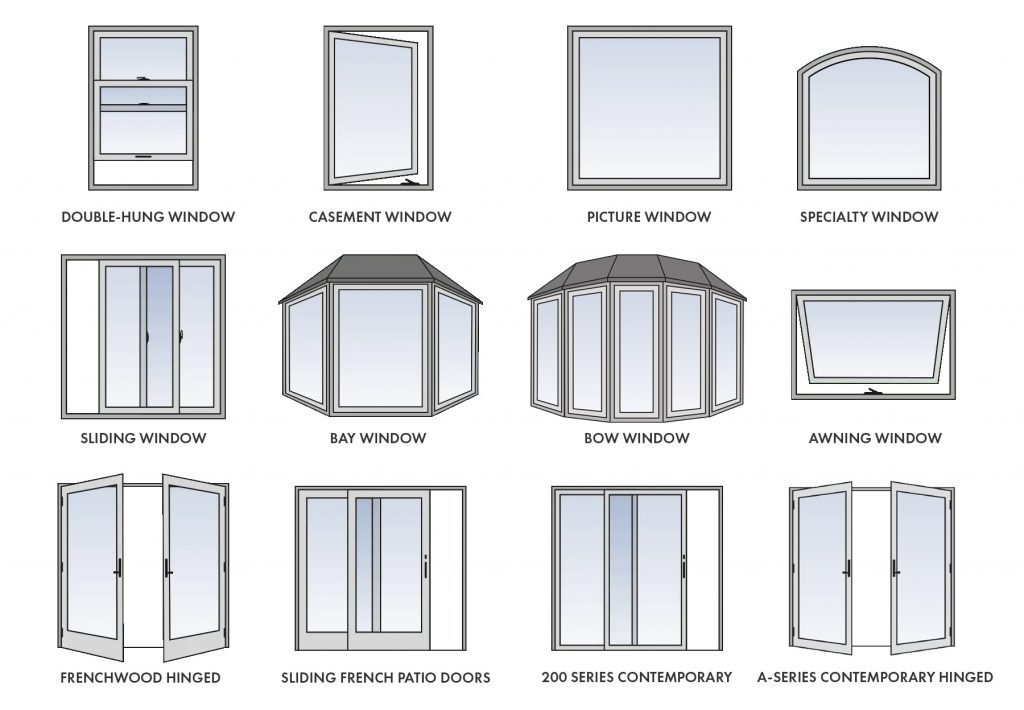
For exterior use, double doors should match the opening, weather exposure, and daily traffic. The best configuration is not always the widest one. French-style doors use two equal leaves, creating a balanced entry and a clear central opening. One active leaf and one inactive leaf works better when people usually enter through one side. The inactive leaf can open when furniture or equipment needs to pass. Measure the rough opening, not only the existing door slab. Include the frame, threshold, and installation clearance. A small measuring error can create expensive adjustments. It happens.
Choose width based on movement, not appearance. A 60-inch opening may suit a patio, while a wider entrance may need stronger hinges and better structural support. Each leaf should remain manageable in wind. Oversized leaves can sag, scrape the threshold, or become difficult to latch. Check the header and jambs before ordering. Exterior doors also need enough threshold height and weather sealing for rain. In exposed locations, an outward swing may shed water more effectively, but local egress and property requirements must be checked.
Plan handle placement, furniture clearance, and the path of each leaf. An active leaf usually opens toward the clearer side of the approach. If wind regularly pushes against the door, a limiter may reduce damage when suitable. Left-hand and right-hand descriptions can confuse installers, so stand outside and record which leaf opens first. This simple check prevents reversed orders. I still recommend a site sketch. Photos often miss trim depth, steps, and uneven paving. A careful configuration may look less dramatic, but it usually feels better every day.
What Type of Double Doors Are Best for Exterior Use?
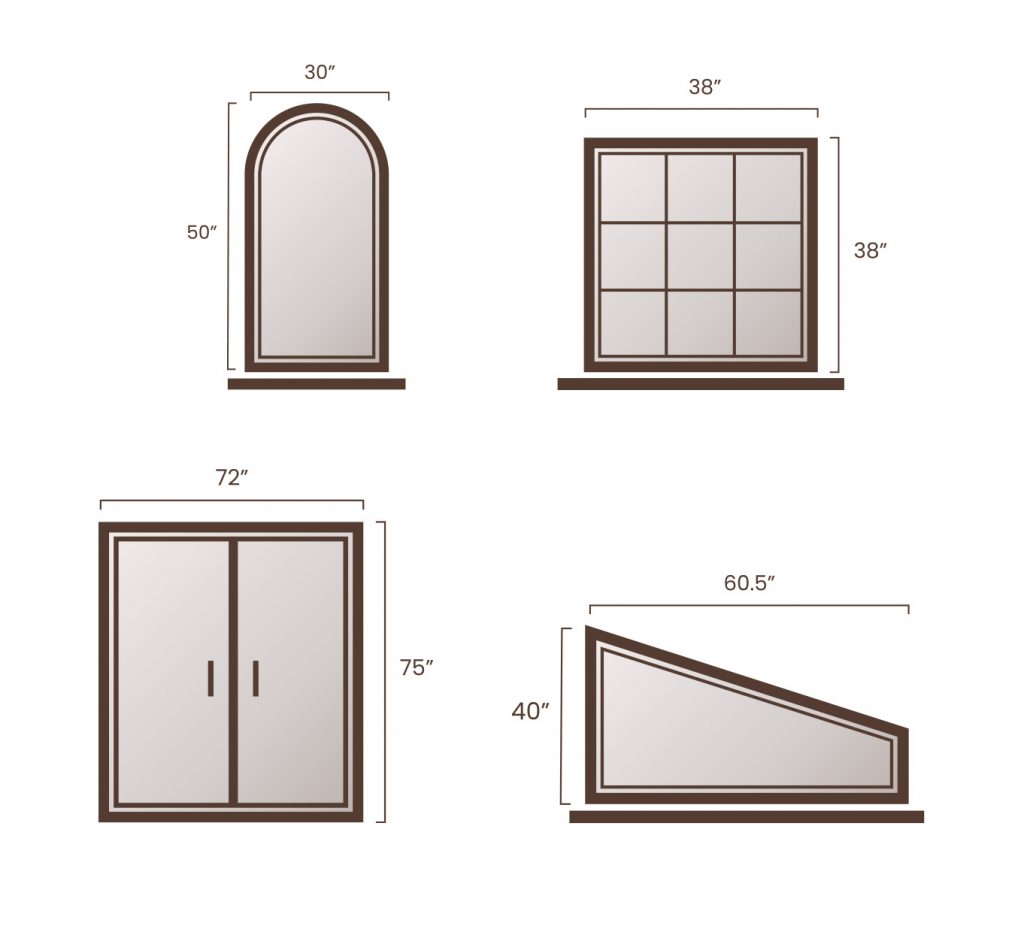
Common nominal widths for residential exterior double-door configurations
A 60-inch pair is suitable for compact entrances, while 72 inches is a widely used residential proportion that balances access and available wall space. Wider 84- and 96-inch configurations create a more generous entry but require additional structural support, swing clearance, and larger covered exterior areas. For accessibility, at least one active leaf should typically provide a minimum 32-inch clear opening; always verify local building requirements and the manufacturer’s rough-opening dimensions.
Key Installation and Performance Factors for Long-Term Use
Exterior double doors perform best when their material suits the building’s climate and daily use. Insulated fiberglass resists moisture and temperature changes, while thermally broken aluminum offers strength with reduced heat transfer. Engineered wood can feel warmer and more substantial, but it needs careful sealing around every exposed edge. In coastal areas, corrosion-resistant hardware matters. A beautiful door can still fail in a wet opening.
Installation controls long-term performance more than appearance. The rough opening must be square, level, and slightly larger than the frame. Fit a properly sloped sill pan before setting the unit. Use compatible flashing, backer rod, and low-expansion foam without blocking drainage paths. Check the reveal around both panels; uneven gaps often signal frame movement. Secure hinges and locks into structural framing, not only trim. Small errors become obvious after seasonal swelling.
Performance ratings deserve close attention. Review air leakage, water resistance, thermal value, and design pressure for the site’s exposure. A wide door may need stronger hinges and a multipoint lock to prevent sagging. The threshold should shed water away from the interior floor. Weatherstripping wears sooner in busy entrances, so inspect it annually. Perfect alignment is uncommon, and even experienced crews may need a second adjustment after the first season. That is not failure; it is useful evidence about the opening, hardware, and local weather.