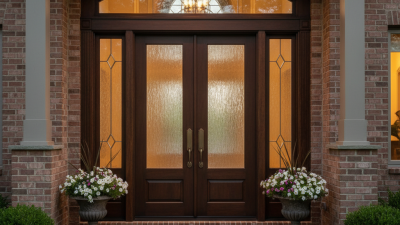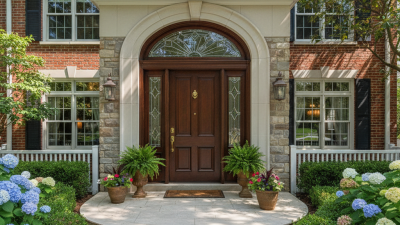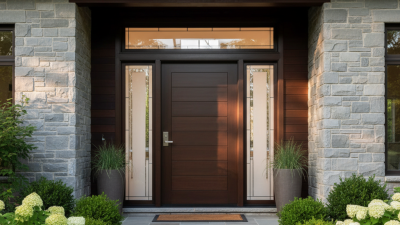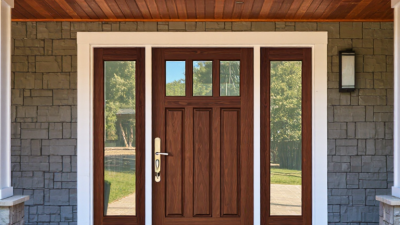
What Are the Top 10 Front Doors With Sidelights?

A front door with sidelights can transform a dark entryway into a bright, welcoming threshold. It can also expose weak insulation, poor hardware, or uncomfortable glare. This guide examines ten practical designs for different homes, climates, and budgets. Expect steel, fiberglass, solid wood, decorative glass, narrow sidelights, and full-height glazing.

The 2024 Cost vs. Value report from Remodeling places steel entry door replacement among the strongest exterior remodeling investments. Its reported cost recoupment exceeded 180 percent, although local prices and project scope can change that result. The U.S. Department of Energy also recommends carefully evaluating door insulation, weatherstripping, and solar heat gain. These details matter when afternoon sunlight reaches a hallway or winter wind slips beneath the threshold. ENERGY STAR guidance and National Fenestration Rating Council labeling can help shoppers compare glass performance more reliably.

Still, no ranking fits every house. A coastal property needs different materials than a dry inland home. Privacy glass may suit a street-facing foyer, while clear glass can frame a garden view. Security depends on the complete system, including the lock, frame, hinges, and installation. Appearance matters too. Some homeowners prefer a warm oak grain; others want a clean black steel finish. The best choice may not be the most expensive one. This list weighs durability, energy performance, maintenance, daylight, privacy, and curb appeal. A few choices remain subjective. That is worth admitting. Measurements and professional installation deserve equal attention.
What Are the Top 10 Front Doors With Sidelights?

Types of Front Doors With Sidelights and Their Key Features

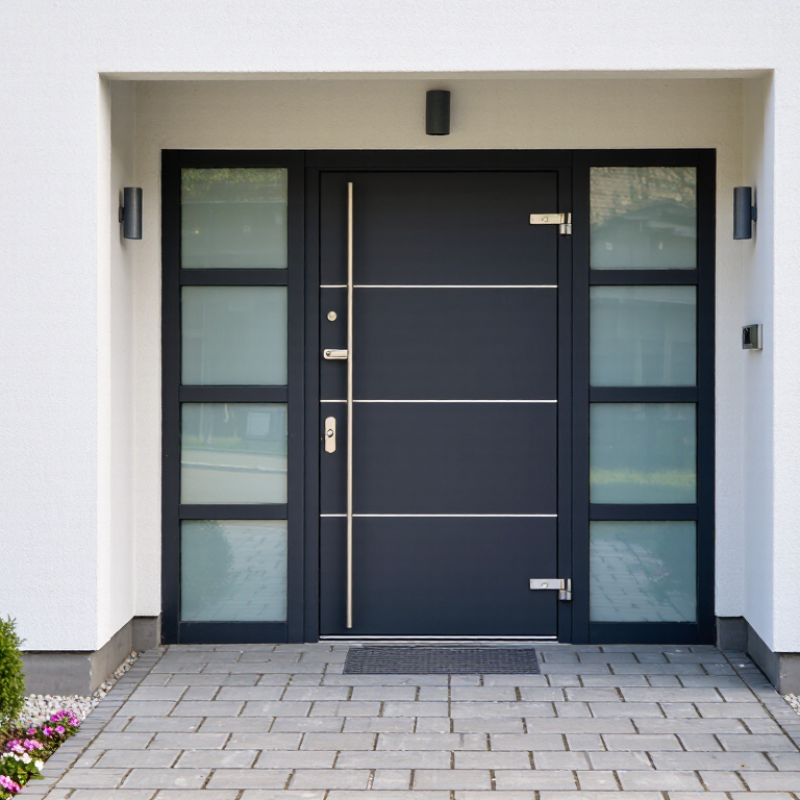
Front doors with sidelights add daylight, width, and a stronger entry presence. Popular choices include solid wood, fiberglass, steel, full-glass, half-glass, arched, double-door, Dutch, pivot, and traditional panel doors. Each type creates a different first impression. Wood offers natural grain and repairable surfaces, but it needs regular sealing. Fiberglass resists moisture and imitates wood convincingly. Steel provides strong security and stable performance, although damaged coatings may eventually rust.

Glass sidelights can make a narrow hallway feel open and bright. Clear glass gives the most light, while frosted or textured glass improves privacy. Tempered or laminated glass is a practical safety choice. Arched sidelights suit traditional homes, while slim vertical panels complement modern façades. Double and pivot doors need accurate measurements because their weight can stress hinges and frames. In my installation experience, poor weather seals cause more complaints than the door material itself. That detail is easy to overlook.

Tips: Check the rough opening before choosing a style. Measure the frame, threshold, and available wall space twice. Select low-emissivity glass when the entrance receives strong afternoon sun. Look for adjustable hinges, a durable sweep, and a well-fitted sill. No door is perfect. A beautiful design may still feel cold, noisy, or difficult to operate if insulation and hardware receive little attention.

Top 10 Front Door and Sidelig​​ht Design Options

Top 10 Front Door and Sidelight Design Options

A front door with sidelights can make a narrow entry feel wider and brighter. The best designs balance appearance, privacy, security, and energy performance.

Here are ten practical options:

  • clear glass sidelights
  • frosted glass
  • textured privacy glass
  • vertical narrow panes
  • symmetrical double sidelights
  • one-sided asymmetry
  • arched transoms with sidelights
  • craftsman-style divided lights
  • solid lower panels
  • full-height modern glazing

Each option creates a different arrival experience. Clear glass frames a garden view, while frosted glass softens harsh street exposure. Narrow panes suit compact façades. Symmetry feels formal. Asymmetry feels less predictable.

Material choices matter. A fiberglass or insulated steel door can reduce maintenance, while laminated or tempered glazing improves everyday safety.

The U.S. Department of Energy reports that windows can account for 25% to 30% of residential heating and cooling energy use, so low-emissivity glass and properly sealed frames deserve attention. Small gaps can create noticeable drafts. I have seen beautiful entrances fail because the threshold was poorly adjusted.

The 2024 Cost vs. Value Report by Zonda recorded strong resale value for steel entry-door replacement, although returns vary by location and project quality. That figure should guide, not dictate, design decisions.

Match the sidelights to the home’s proportions, not only current trends. A dark frame may look refined, but it can show dust quickly. Privacy glass helps, yet it may reduce daylight more than expected. Test samples outdoors before installation. Five minutes can prevent an expensive mistake.

Materials, Glass Choices, and Energy-Efficiency Considerations

What Are the Top 10 Front Doors With Sidelights?

Materials, Glass Choices, and Energy-Efficiency Considerations

The best entry systems balance appearance, insulation, and controlled daylight. Ten practical choices include insulated fiberglass with low-e glass, steel with frosted glass, solid wood with insulated glazing, and fiberglass with triple-pane glass. Other strong options include laminated low-e steel, wood-clad composite, thermally improved aluminum, half-lite fiberglass, arched fiberglass, and double doors with matching sidelights.

Fiberglass and steel usually resist warping better than unprotected wood. Foam-filled cores can also improve thermal performance. Wood remains attractive, but it needs careful sealing around joints and glass. Installers often find that sidelights create weak points when frames are poorly aligned. Small gaps can produce cold drafts beside the door.

Glass selection matters greatly. Double-pane insulated glass is a sensible baseline. Triple-pane units offer better insulation, though their extra weight may require stronger hardware. Low-e coatings reduce heat transfer, while laminated glass can improve safety and sound control.

The National Fenestration Rating Council evaluates U-factor and solar heat gain coefficient, giving buyers measurable comparison points.

The U.S. Department of Energy also emphasizes weatherstripping and properly fitted thresholds for air sealing.

EIA’s 2020 Residential Energy Consumption Survey found that heating and cooling represented about half of household energy use. That makes a narrow sidelight gap surprisingly important. A door can look premium and still perform poorly.

Check the whole assembly, not only the slab.

How to Compare Security, Privacy, Durability, and Maintenance

What Are the Top 10 Front Doors With Sidelights?

How to Compare Security, Privacy, Durability, and Maintenance

The strongest choices include solid wood, engineered wood, fiberglass, steel, aluminum, composite, uPVC, laminated glass, impact-rated units, and double-entry systems. Security starts with the frame, not the door alone. The FBI reported 847,522 burglary and breaking-and-entering offenses in 2023. A reinforced frame, multipoint lock, long screws, and laminated sidelights can reduce weak points. Tempered glass breaks safely, but laminated glass usually offers better forced-entry resistance. No glass is completely secure.

Privacy requires more than curtains. Choose frosted, textured, or narrow sidelights when the entry faces a sidewalk. Check the National Fenestration Rating Council label for U-factor and solar heat gain coefficient values. Lower U-factor generally means better insulation. Steel resists impact well, but scratches can expose rust. Fiberglass avoids many dents and needs less repainting. Wood feels warm and repairable, yet it demands regular sealing. Aluminum stays stable, although poor thermal breaks may create condensation. These trade-offs matter.

Tips: Stand inside at night and inspect every glass panel. If you can see movement outside, consider privacy glazing. Ask for drainage details, warranty limits, and replacement hardware costs. The U.S. Department of Energy recommends weatherstripping and properly sealed doors to limit air leakage. Measure twice. Installation errors can defeat an expensive door. I would not trust a “maintenance-free” claim without checking its finish, hinges, and local weather exposure.

What Are the Top 10 Front Doors With Sidelights? - How to Compare Security, Privacy, Durability, and Maintenance

Comparison of common front-door-and-sidelight configurations. Ratings are practical buying guides based on typical construction features, not product-specific test certifications.
# Door and Sidelight Configuration Main Construction Security Privacy Durability Maintenance Typical Security Features Privacy Treatment Typical Service Life Best Use
1 Fiberglass Full-Lite Door with Laminated Sidelights Fiberglass skin, insulated foam core, composite or treated-wood frame Excellent Medium Excellent Low Deadbolt, reinforced strike plate, laminated safety glass, optional multipoint lock Low-E laminated glass with frosted or patterned film recommended 25–40 years High-security entry where daylight and weather resistance are priorities
2 Insulated Steel Door with Narrow Sidelights Galvanized steel skins, polyurethane foam core, reinforced steel frame Excellent High Excellent Low–Medium Heavy-gauge door skin, three-point lock option, long screws into structural framing Small insulated sidelights with obscure laminated glazing 20–35 years Security-focused homes and exposed entrances
3 Solid Wood Door with Double Insulated Sidelights Engineered hardwood or laminated wood core with exterior-grade finish High Medium Medium–High High Mortise or deadbolt lock, reinforced jamb, laminated sidelights Textured or leaded glass with privacy film or interior shades 15–30 years Traditional façades where appearance and customization matter
4 Fiberglass Shaker Door with Obscure Sidelights Molded fiberglass panels, insulated core, composite sill and frame components Very High High Excellent Low Deadbolt, reinforced hinges, impact-resistant or laminated sidelight glass Etched, rain-textured, or satin-finished insulated glass 25–40 years Balanced security, privacy, and low upkeep
5 Steel Craftsman Door with Decorative Sidelights Insulated steel slab, wood or composite trim, decorative glass panels Very High Medium–High High Medium Reinforced steel jamb, three-point lock compatibility, laminated decorative glass Textured or camed glass reduces clear visibility 20–35 years Craftsman-style homes needing a strong visual focal point
6 Composite Door with Matching Transom and Sidelights Composite or fiberglass exterior, insulated core, moisture-resistant frame High Medium Excellent Low Multipoint lock option, reinforced composite frame, safety glazing Patterned glass or applied privacy film for the sidelights and transom 25–40 years Large entry openings in wet or variable climates
7 Modern Flush Steel Door with One Full-Height Sidelight Smooth insulated steel slab, steel or composite frame, narrow glazing unit Excellent High High Low–Medium Continuous hinge option, reinforced strike area, laminated safety glass Narrow sidelight with acid-etched or reflective privacy glass 20–35 years Contemporary homes with a clean, minimalist entrance
8 Wood-Clad Fiberglass Door with Fixed Sidelights Fiberglass exterior with interior wood veneer, insulated core, composite sill High Medium–High Very High Medium Deadbolt, reinforced hinges, laminated or tempered sidelight glass Integral blinds, textured glass, or removable privacy shades 25–40 years Homes seeking natural interior wood appearance with exterior durability
9 Double Entry Fiberglass Door with Narrow Sidelights Insulated fiberglass double slabs, adjustable sill, reinforced center meeting stile High Medium Very High Medium Top and bottom flush bolts, active-door deadbolt, reinforced strike jamb Obscure glass with interior curtains or built-in shades 25–40 years Wide foyers requiring a dramatic opening and occasional moving access
10 Thermally Broken Aluminum Door with Insulated Sidelights Powder-coated aluminum frame, insulated panel, thermally separated components Very High High Excellent Low Multipoint lock, heavy-duty hinges, laminated insulated glass Acid-etched, ceramic-fritted, or switchable privacy glass 30–50 years Modern architecture and coastal or humid environments
How to read the table: Security depends heavily on the complete installed system, including the frame, hinges, strike reinforcement, lock, glass, and installation quality. Privacy ratings assume the recommended glass or covering is installed. Service-life estimates vary with climate, exposure, workmanship, and maintenance.

Choosing the Best Front Door With Sidelights for Your Home

Choosing the best front door with sidelights starts with your home’s light, security, and climate needs. The top ten practical choices include steel, fiberglass, solid wood, aluminum, thermally broken aluminum, single-glazed, double-glazed, full-view, half-view, and arched sidelight designs. Each option changes the entrance differently.

Steel provides strong security and usually needs little maintenance. Fiberglass can imitate wood grain without frequent refinishing. Wood feels warm and substantial, but moisture can cause swelling. Double-glazed sidelights improve comfort beside a draft-prone hallway. According to the National Fenestration Rating Council, compare U-factor, solar heat gain coefficient, visible transmittance, and air-leakage ratings. A lower U-factor generally indicates better insulation. Energy performance matters more when sidelights cover a wide area.

The 2024 Zonda Cost vs. Value Report reported 188.1% cost recouped for a national-average steel entry-door replacement. That figure excludes every sidelight configuration, so treat it as a useful market signal, not a promise. I would not choose glass by appearance alone. Check laminated or tempered safety glass, tested hardware, weatherstripping, and proper installation depth. A narrow sidelight may preserve privacy, while textured glass admits daylight without exposing the hallway. Clear glass looks brighter. It also reveals more. That trade-off is easy to miss. Door color, porch shade, and regional wind exposure should influence the final selection. An experienced installer can verify rough-opening measurements and drainage details before ordering.