Top 10 Glass Patio Doors to Buy in 2026?

Choosing among the top 10 glass patio doors to buy in 2026 requires more than comparing frame colors and online reviews. A patio door can change daylight, ventilation, security, and monthly energy use. The U.S. Department of Energy reports that windows and glazed openings can account for 25–30% of residential heating and cooling energy. That figure makes glass performance impossible to ignore.

This guide evaluates glass patio doors through practical criteria. These include U-factor, solar heat gain coefficient, visible transmittance, air leakage, water resistance, hardware quality, and installation requirements. The National Fenestration Rating Council explains that certified ratings help consumers compare products under consistent testing conditions. ENERGY STAR guidance also emphasizes climate-appropriate glass, durable frames, and professional installation. A beautiful door can still disappoint if its sill collects water after heavy rain.

Real homes reveal details that product pages often miss. Track cleanliness matters. So does the effort required to lift a sliding panel. Hinged doors need clear floor space, while oversized units may require structural review. Security depends on the lock, frame, glass, and installation together.

No ranking fits every house. Coastal buyers may prioritize corrosion resistance. Cold-climate homeowners may value low U-factors. I may favor a slightly less dramatic design when it offers better sealing and easier maintenance. That is not a perfect formula. It is a practical compromise.

The following selections balance verified performance data, construction quality, design flexibility, warranty coverage, and likely ownership costs. Each option deserves careful measurement before purchase. A certified installer should confirm the opening, drainage path, sill height, and local energy requirements.
Top 10 Glass Patio Doors to Buy in 2026?

Glass Patio Door Types and Opening Configurations

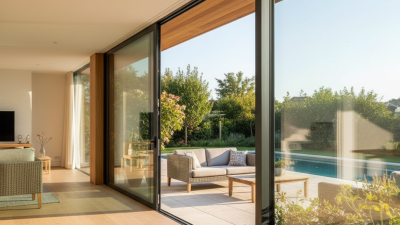
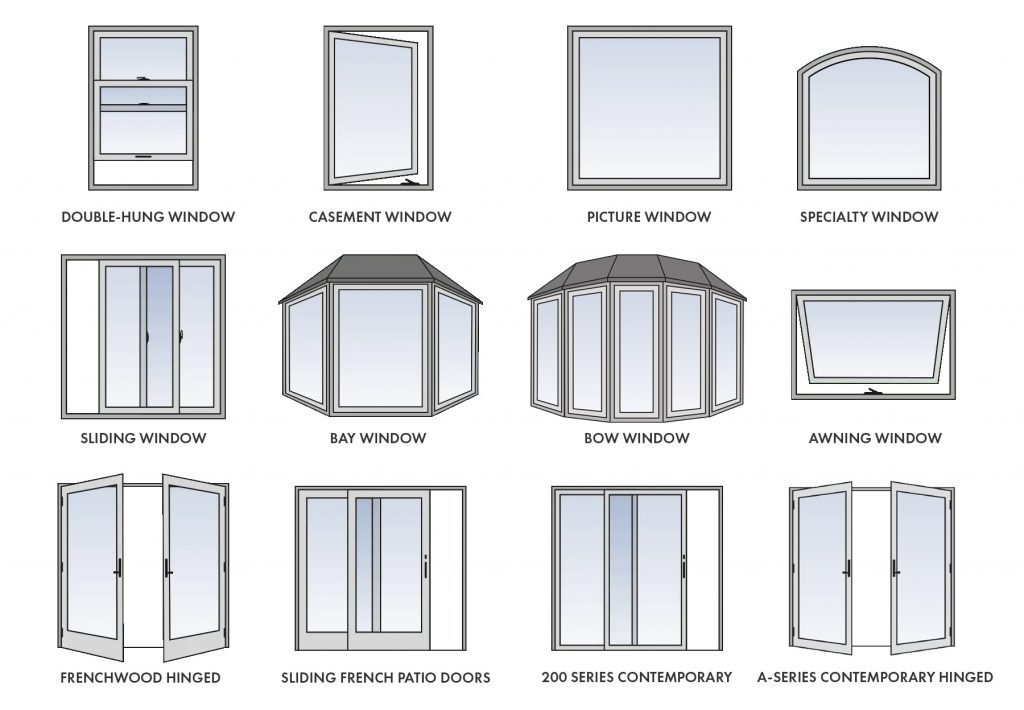
Selecting a glass patio door starts with the room, not the product list. The main types include sliding, French, bifold, and multi-panel lift-and-slide systems. Sliding doors need less indoor clearance because one panel travels beside another. They suit narrow decks, but their opening is limited to roughly half the frame. French doors swing inward or outward from a central meeting point. They provide a wider everyday passage, although furniture and wind can complicate operation.

Bifold doors fold into stacked panels and can open most of a wall. Their many hinges require accurate alignment and regular adjustment. Lift-and-slide doors use rollers after the panel rises slightly from its seal. They can carry large glass areas with less effort, but their hardware costs more. Pocket configurations disappear into the wall cavity. That looks elegant. However, repairs may become difficult if drainage or rollers fail.

Opening direction deserves equal attention. Check the patio slope, prevailing wind, furniture position, and emergency egress requirements. Outward-swinging panels may catch strong gusts; inward panels consume floor space. For exposed homes, specify laminated or tempered safety glass, insulated frames, and tested weather seals. A low threshold improves access, yet it must still manage rainwater correctly. Screens, locks, and multi-point hardware affect daily comfort more than glossy brochures suggest. No layout is perfect. Measure twice, and question whether a dramatic opening will be used every day.

Key Features to Compare Before Buying in 2026

Top 10 Glass Patio Doors to Buy in 2026

Choosing a glass patio door requires more than admiring its frame and view. Compare the glass first. Low-emissivity coatings, double glazing, and argon-filled spaces can improve comfort and reduce heat transfer. Check the U-factor and solar heat gain coefficient for your climate. Lower U-factor usually means better insulation.

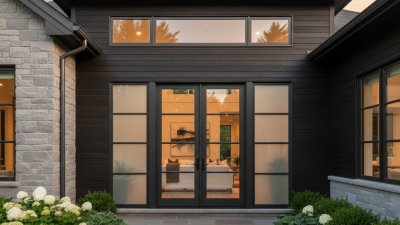
The frame also deserves close attention. Fiberglass and well-finished aluminum can resist moisture, while reinforced vinyl may offer easier maintenance. Test the rollers in person. A good door should move smoothly without scraping, shaking, or requiring force. Examine the lock, handle, weather seals, and threshold. These small parts often reveal construction quality. Ask for tested air, water, and wind performance. Local conditions matter.

Tips: Measure the opening twice, including the wall depth and floor level. Request independent performance data, not only showroom claims. Inspect drainage paths after installation. Keep a small allowance for seasonal movement. I once underestimated a slightly uneven threshold; the door worked, but sealing required extra adjustment. That mistake was avoidable. Also compare repair access, replacement parts, warranty terms, and professional installation costs. A beautiful door can still disappoint if its rollers are difficult to service or its glass creates excessive afternoon glare.

Energy Efficiency, Safety, Materials, and Durability

Top 10 Glass Patio Doors to Buy in 2026?

Choosing among the top 10 glass patio doors for 2026 requires more than a bright showroom. Energy performance starts with the glass. Look for low-emissivity coatings, insulated panes, and a U-factor suited to your climate. Lower U-factors generally reduce heat transfer. Solar heat gain also matters in sunny rooms. Ask for tested ratings, not vague claims. Small gaps matter. An uneven frame can waste the benefit of expensive glazing.

Safety depends on both glass and hardware. Tempered glass resists everyday impact and breaks into smaller pieces when damaged. Laminated glass holds together after cracking, which can delay entry and reduce falling shards. Strong frames, secure track systems, and multi-point locks add practical protection. Check that moving panels close firmly without forcing them. A beautiful door that sticks after rain is not a reliable choice.

Materials shape long-term durability. Thermally improved frames reduce temperature movement, while reinforced vinyl, aluminum, or treated wood can perform well when properly maintained. Inspect rollers, drainage channels, seals, and corner joints before buying. Coastal homes need finishes and hardware that resist salt exposure. Interior condensation may signal poor ventilation, weak insulation, or an installation problem. No door is perfect. I would rather choose a modest design with verified testing and replaceable parts than a dramatic model with uncertain performance. A qualified installer should confirm opening dimensions, flashing, drainage, and local safety requirements.

Top 10 Glass Patio Doors to Buy in 2026? — Energy Efficiency, Safety, Materials, and Durability
A brand-neutral comparison of common high-performance patio-door configurations
Rank Door Configuration Frame Material Typical Glass Package Typical U-Factor* Typical SHGC* Safety and Security Weather Performance Durability and Maintenance Best Use Case
1 Insulated Vinyl Sliding Door Multi-chambered vinyl with reinforced stiles Low-E coating, argon-filled double-pane insulated glass; tempered safety glass 0.25–0.32 Btu/h·ft²·°F 0.25–0.40 Tempered glass, multipoint or reinforced latch options, anti-lift blocks Good air and water resistance when professionally installed; suitable for most residential exposures High durability; low maintenance; clean tracks and inspect weatherstripping periodically Best overall balance of energy efficiency, cost, operation, and maintenance
2 Fiberglass Sliding Door Pultruded fiberglass with insulated frame cavities Low-E, argon-filled double-pane or triple-pane glass; tempered glass 0.20–0.30 0.25–0.40 Tempered glass, reinforced locking hardware, anti-lift protection Very good dimensional stability and resistance to moisture-related expansion Very high durability; resists rot, corrosion, and warping; minimal upkeep Cold or mixed climates where long-term stability is a priority
3 Thermally Broken Aluminum Sliding Door Powder-coated aluminum with continuous thermal barrier Low-E insulated double-pane or triple-pane glass; tempered glass 0.24–0.35 0.25–0.45 Tempered glass, multipoint locking, optional laminated security glass Excellent structural strength; choose tested water and air ratings for exposed locations High durability; powder coating reduces corrosion risk; lubricate rollers and hardware Large openings, contemporary designs, and areas requiring narrow sightlines
4 Fiberglass Hinged French Door Fiberglass door slabs with insulated fiberglass or composite frame Low-E, argon-filled double-pane glass; tempered or laminated safety glass 0.20–0.30 0.25–0.40 Multipoint lock, adjustable hinges, tempered glass; laminated glass improves forced-entry resistance Very good compression sealing and resistance to frame movement Very high durability; does not rot or swell like unprotected wood; periodic seal inspection required Traditional appearance with strong insulation and a wide clear opening
5 Wood-Clad Hinged French Door Interior wood with weather-resistant exterior cladding Low-E, argon-filled insulated glass; tempered or laminated safety glass 0.22–0.32 0.25–0.45 Multipoint locking system, tempered glass, optional laminated glass Good when flashing, sill pan, and exterior cladding are correctly installed High durability with regular finish inspection; exposed wood edges require maintenance Architectural projects that prioritize natural interior finishes
6 Triple-Pane Vinyl Sliding Door Insulated vinyl with reinforced structural components Triple-pane Low-E glass with argon or krypton gas; tempered glass 0.17–0.25 0.20–0.35 Tempered glass, reinforced lock points, anti-lift hardware Very good thermal and acoustic performance; heavier sashes need quality rollers High durability and low maintenance; keep drainage channels clear Cold climates, bedrooms near patios, and homes seeking improved sound reduction
7 Impact-Resistant Sliding Door Reinforced vinyl, fiberglass, or thermally broken aluminum Laminated impact glass, often combined with Low-E coating and insulated airspace 0.25–0.38 0.25–0.45 Laminated glass remains bonded after cracking; multi-point locks and reinforced frames recommended Designed for tested wind-pressure and impact ratings; verify local code requirements Very high safety performance; inspect laminated-glass seals and hardware over time Coastal and hurricane-prone regions where impact certification is required
8 Multi-Slide Glass Wall System Thermally broken aluminum or fiberglass Large Low-E insulated panels; tempered or laminated safety glass 0.28–0.40 0.25–0.50 Tempered or laminated glass, multipoint locks, anti-lift and panel interlocks Good when the sill, drainage, and installation are engineered for the opening size High durability; requires precise installation and regular track and roller care Very wide openings and indoor-outdoor living areas
9 Lift-and-Slide Patio Door Thermally broken aluminum, fiberglass, or engineered wood Large Low-E insulated glass panels; tempered or laminated safety glass 0.25–0.38 0.25–0.50 Multipoint locking, anti-lift protection, tempered or laminated glass Very good compression sealing after the panel is lifted into the closed position Very high durability; rollers and tracks must remain clean and correctly adjusted Premium openings requiring large panels with relatively light operation
10 Energy-Efficient Vinyl Hinged Door Insulated vinyl or composite frame with reinforced door slab Low-E, argon-filled double-pane glass; tempered glass 0.20–0.30 0.25–0.40 Multipoint lock, adjustable hinges, tempered glass, optional laminated glass Very good sealing potential because the sash compresses against the weatherstripping High durability; low maintenance; check hinges, seals, and threshold adjustment Energy-conscious homes that prefer hinged operation over sliding panels

Notes: U-factor measures heat transfer, and lower values generally indicate better insulation. SHGC measures the fraction of solar heat admitted through the glass; the best value depends on climate, orientation, shading, and cooling needs. The ranges above are typical performance targets for comparable configurations, not guaranteed ratings for every product. Confirm whole-door NFRC ratings, local energy-code compliance, water and air testing, wind-load requirements, glass safety certification, and installation details before purchase.

Top 10 Glass Patio Doors Ranked by Use and Value

Top 10 Glass Patio Doors to Buy in 2026?

This ranking compares glass patio doors by everyday use, comfort, durability, and value. Sliding doors rank first for compact rooms because they save floor space and open smoothly. French-style hinged doors rank second, offering a wider entrance and a traditional appearance. Folding glass doors rank third for entertaining, although their hardware costs more. Multi-slide doors rank fourth for large openings and strong indoor-outdoor views. Lift-and-slide doors rank fifth, providing excellent seals and effortless movement, but installation is demanding.

Pocket glass doors rank sixth when walls can support hidden panels. They look clean, yet repairs may become complicated. Three-panel sliders rank seventh for wider access and balanced pricing. Energy-efficient low-emissivity glass doors rank eighth, especially in sunny rooms. Impact-resistant doors rank ninth where severe weather is a concern. Basic two-panel doors rank tenth because they offer low purchase costs, though weaker frames may reduce long-term value. A cheap door is not always a low-cost door.

Tips: Measure the rough opening twice. Check drainage, locks, roller quality, and glass certification. Ask for tested air leakage and water resistance data. Warm-edge spacers can reduce condensation. In real homes, poor installation often causes more trouble than the door itself. I would not ignore that detail. Also, choose tempered or laminated safety glass where appropriate, following local building requirements.

Top 10 Glass Patio Doors to Buy in 2026

Top 10 glass patio door configurations ranked by everyday usability, daylight access, flexibility, and typical installed value.

The Use & Value Index is a 0–100 benchmark based on common residential dimensions, usable opening width, ventilation potential, accessibility, daylight area, operating complexity, and typical U.S. installed-cost ranges. Actual pricing and energy performance vary by size, glass package, frame material, installation conditions, and local labor.

Installation, Maintenance, Warranties, and Buying Tips

Top 10 Glass Patio Doors to Buy in 2026: Installation, Maintenance, Warranties, and Buying Tips

Installation determines much of a patio door’s performance. The opening must be square, level, and properly flashed. A door that drags on the sill usually signals installation trouble, not poor glass. The U.S. Department of Energy reports that windows and doors can represent 25–30% of household heating and cooling energy use. Ask the installer for written air-sealing details and water-management steps. Cheap installation can become expensive.

Check the National Fenestration Rating Council label before buying. Compare U-factor, solar heat gain coefficient, visible transmittance, and air leakage ratings. ENERGY STAR guidance estimates that replacing single-pane openings can save homeowners about $101–$583 annually, depending on climate and home conditions. That figure is a useful benchmark, not a promise. Oversized glass may also increase summer heat.

Maintenance should stay simple. Vacuum the lower track, rinse drainage holes, and inspect weather seals twice yearly. Do not force a stiff roller. It may damage the frame. Read the warranty carefully. Look for separate coverage periods for glass, hardware, finish, labor, and seal failure. Some warranties exclude coastal exposure, improper drainage, or unauthorized repairs. I would also photograph the installation day. It feels unnecessary, but disputed problems often begin with missing records. A perfect-looking quote can still omit disposal, trim repairs, or future roller replacement.