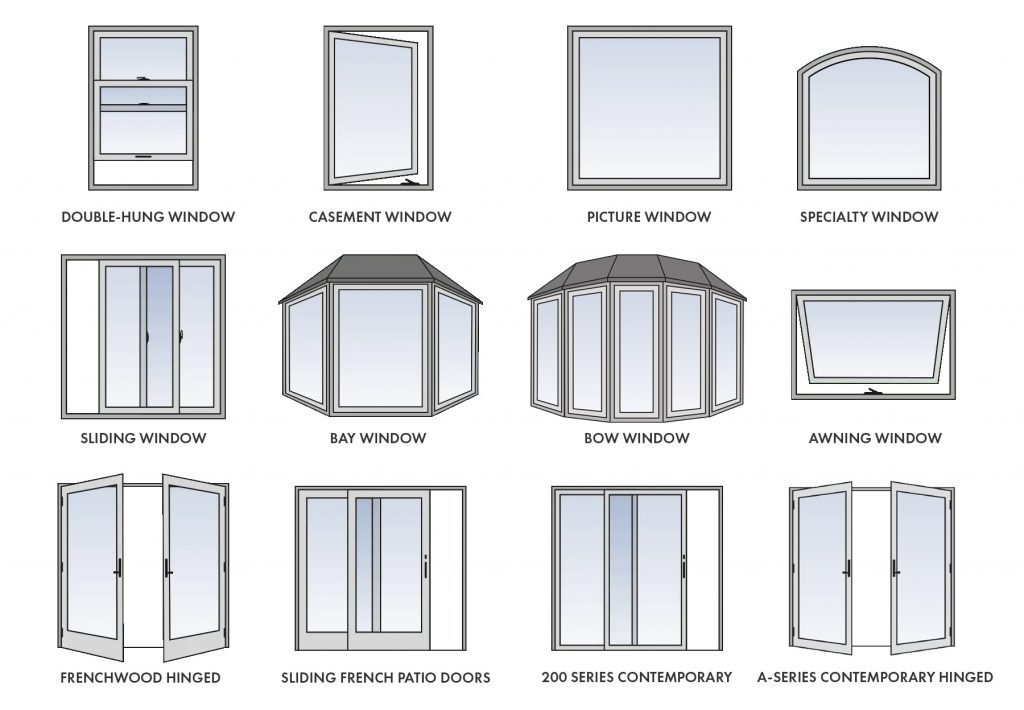
Buying a home across borders can feel exciting, but remodeling often reveals hidden complexity. Materials, labor standards, climate, taxes, and approval processes vary widely. A beautiful kitchen plan in Lisbon may not suit humidity in Singapore or heating needs in Toronto. This guide offers ten practical home remodeling tips for global buyers who want better decisions, clearer budgets, and fewer unpleasant surprises.
The Harvard Joint Center for Housing Studies reported that U.S. homeowner improvement spending reached approximately $472 billion in 2022. Houzz’s 2024 U.S. Houzz & Home Study also found that the median renovation spend was $24,000 in 2023. These figures are useful reference points, not universal prices. Local wages, currency changes, shipping costs, and property age can shift the final bill sharply. Obtain several written quotations. Check what each quote excludes.
Energy performance deserves equal attention. The 2024 Global Status Report for Buildings and Construction, published through the UN Environment Programme, reported that buildings accounted for about 34% of global energy demand and 37% of energy and process-related emissions. Better insulation, efficient glazing, shading, and properly sized equipment may reduce long-term costs. Yet the greenest option is not always the most practical option. Imported products can carry long lead times and difficult replacement risks.
No checklist is flawless. I have seen attractive plans fail because a doorway was measured incorrectly or spare tiles were unavailable. The following tips focus on careful surveys, local expertise, durable materials, transparent contracts, and realistic maintenance planning. Global buyers should adapt each recommendation to the property, neighborhood, and local rules. That reflection matters. A remodeling decision should serve daily life, not only photographs.
Global buyers often focus on purchase price, design, and renovation potential. Local housing rules deserve equal attention. A property may look ready for remodeling, yet zoning limits can restrict extensions, window changes, or room conversions.
Contact the local planning office before signing renovation contracts. Ask for current zoning maps, building codes, and permit requirements. Rules may differ between neighboring districts. A permit might be required for structural work, electrical changes, plumbing, or even exterior paint in protected areas. Some homes also carry heritage restrictions. These can affect materials, rooflines, balconies, and historic windows.
Request written guidance whenever possible. Spoken advice can be misunderstood, especially across languages. A qualified local architect or building surveyor can review the property, drawings, and proposed work. Verify their license and experience with similar homes. Also ask whether separate approvals are needed for fire safety, drainage, energy efficiency, or environmental concerns.
Do not rely only on an agent’s estimate. Agents may know the market but not every technical requirement. A careful buyer can still miss one small rule. I would leave extra time and money for corrections, inspections, and revised plans. Keep copies of permits, approvals, inspection reports, and translated documents. These records can support future resale and protect against disputes. If an application is rejected, ask for the reason in writing and revise the design legally. Small changes often prevent expensive delays.
Home Remodeling Tips for Global Buyers
A realistic budget begins with local prices, not online estimates from another country. Ask at least three contractors for itemized quotes covering materials, labor, transport, permits, and waste removal. A cheap quote may exclude site preparation or electrical upgrades. Read every line carefully.
Currency changes can quietly damage a renovation plan. If your income and project costs use different currencies, track both weekly. Keep a separate reserve of 10 to 15 percent for exchange-rate movement. Import duties and local taxes may also apply to flooring, fixtures, or appliances. Confirm whether each quote includes sales tax, customs charges, and delivery fees. Request an expiration date for every estimate.
Paying in stages protects your cash flow. Link payments to measurable work, such as completed plumbing or installed windows. Use written contracts reviewed by a qualified local adviser. A licensed building professional can explain permit fees, safety requirements, and regional labor rates. These details vary widely between cities. Keep copies of invoices, approvals, and payment records.
Your first budget will probably be wrong. That is normal, but ignoring the gaps is expensive. I would rather delay a decorative purchase than underfund structural repairs. Leave money for damaged walls, hidden moisture, and material shortages. Also check whether your bank adds conversion fees. Small charges accumulate quickly. A spreadsheet with original currency, local currency, tax, and paid amounts can reveal problems before the project does.
Illustrative planning framework for an international home renovation with a base construction budget of USD 100,000. Actual costs vary by location, property type, scope, regulations, and exchange rate.
| Tip | Budget Dimension | Recommended Planning Allowance | Example Amount on a USD 100,000 Project | Why It Matters to Global Buyers | Practical Action |
|---|---|---|---|---|---|
| 1 | Define the project scope | Written scope before pricing | Included in the design and procurement stage | Different countries may use different construction terms, measurement standards, and permit requirements. | Prepare a room-by-room list covering finishes, fixtures, structural work, appliances, and exclusions. |
| 2 | Separate materials from labor | Materials: 40%–60% Labor: 30%–50% |
Materials: USD 40,000–60,000 Labor: USD 30,000–50,000 |
Imported materials may be affordable while local labor is expensive, or the reverse may be true. | Request itemized quotations showing quantities, unit prices, labor hours, delivery, and installation. |
| 3 | Include design, engineering, and permits | 5%–12% of construction cost | USD 5,000–12,000 | Planning approvals, structural reviews, drawings, and inspections can be mandatory for major alterations. | Confirm local approval procedures and professional fees before signing a construction contract. |
| 4 | Budget for taxes and transaction charges | 5%–20%, depending on jurisdiction and tax treatment | USD 5,000–20,000 | Sales tax, value-added tax, import duties, customs fees, and non-recoverable charges differ by country. | Ask a local tax adviser whether quoted prices are tax-inclusive and whether any tax can be reclaimed. |
| 5 | Allow for currency movement | 5%–10% exchange-rate reserve | USD 5,000–10,000 | A project paid over several months can become more expensive when the buyer’s home currency weakens. | Set a payment schedule, compare transfer costs, and keep the renovation budget in both currencies. |
| 6 | Create a contingency fund | 10%–15% of construction cost | USD 10,000–15,000 | Older homes frequently reveal moisture, wiring, plumbing, structural, or access issues after work begins. | Keep contingency funds separate and release them only for documented changes or unforeseen conditions. |
| 7 | Price logistics and imported materials | 5%–15% of imported-material value | USD 2,000–9,000 when imported materials total USD 40,000–60,000 | Freight, insurance, port handling, storage, breakage, and customs delays can affect both cost and schedule. | Obtain a landed-cost estimate and confirm who is responsible for damaged or delayed deliveries. |
| 8 | Plan for local labor and site conditions | Review local wage levels and productivity | Labor allowance remains within the USD 30,000–50,000 range | Remote locations, limited access, seasonal weather, and local work-hour rules can increase labor costs. | Verify crew size, working hours, accommodation, transportation, and site-access assumptions. |
| 9 | Use milestone payments | 10%–20% deposit; balance linked to verified stages | Initial payment: USD 10,000–20,000 Remaining balance after milestones |
Milestones reduce exposure to incomplete work and make it easier to manage payments from abroad. | Link payments to measurable stages such as demolition, rough-in, installation, finishing, and completion. |
| 10 | Set a completion and inspection reserve | 2%–5% of construction cost | USD 2,000–5,000 | Final inspections, snagging, cleaning, documentation, replacement parts, and warranty visits may occur after practical completion. | Hold back a final amount until defects are corrected and manuals, certificates, keys, and receipts are delivered. |
Planning note: The percentages are general budgeting ranges, not quotations. Tax rates, permit fees, labor costs, import charges, and exchange rates should be verified with qualified local professionals before purchasing or starting work.
When remodeling abroad, study the climate before choosing a floor plan. I have seen beautiful open rooms fail in humid coastal weather. Cross-ventilation, shaded windows, and raised thresholds can reduce heat and stormwater problems. In cold regions, compact layouts and well-sealed walls help retain warmth. Check seasonal wind, rainfall, sunlight, and soil conditions with a qualified local surveyor.
Local materials often perform better because they suit nearby weather and repair skills. Dense stone can cool interiors, while fired masonry may resist heat and insects. In wet areas, choose moisture-tolerant timber only when it is legally sourced and properly treated. Ask suppliers for test data, origin records, and expected service life. Do not trust appearance alone. A tile that looks strong may become slippery near an entry during heavy rain.
Plan maintenance into the design. Provide roof access, drainage channels, replaceable screens, and easy-to-clean exterior surfaces. Local tradespeople can explain how materials age after several rainy seasons, which catalogues rarely show. Their advice is valuable, though not perfect; request two opinions and compare written estimates. I once favored a cheaper wall finish, then learned its repairs required imported parts. That decision saved money initially, but created delays later. Climate-ready design is not always attractive at first. It is usually easier to live with.
Plan Contractors, Timelines, Communication, and Quality Inspections
For global buyers, contractor selection should begin with evidence, not attractive photos. Request three comparable projects, current insurance documents, references, and a detailed scope. The Associated General Contractors of America reported in its 2024 workforce survey that 94% of construction firms struggled to fill positions. Confirm who will actually work onsite. A polished proposal may hide subcontractor shortages. Use milestone payments, written change orders, and clear responsibility for imported materials. Never assume verbal promises survive time zones.
Build the schedule around a critical path, including design approvals, shipping, inspections, and utility connections. Add a 15% to 20% time buffer for weather and customs delays. Set one weekly video meeting and one shared decision log. Use simple drawings, dated photographs, and a bilingual glossary when necessary. Short messages help. One decision per line. PMI’s Pulse of the Profession research links mature project practices with a 92% success rate, compared with 32% for low-maturity organizations. That difference makes documentation practical, not bureaucratic.
Arrange inspections before walls, ceilings, or floors hide the work. Check waterproofing, moisture levels, framing alignment, insulation, electrical routes, and fixture locations. Use an independent inspector when distance prevents personal visits. Require photographs with measurements and location labels. Hold a small sample inspection first. It can reveal expensive mistakes early. A useful imperfection remains: even careful plans change. I would rather record a disappointing delay than approve unclear work. Final payment should follow a punch list, operating tests, cleaning, and complete handover documents.
10 Home Remodeling Tips for Global Buyers
Improve Safety, Energy Efficiency, Accessibility, and Resale Value
A safe renovation begins with a professional inspection of wiring, plumbing, structure, and moisture damage. Check local building requirements before changing walls, stairs, or electrical systems. Install clear emergency lighting, smoke alarms, non-slip flooring, and reachable water shutoff controls. Reinforce stair railings and keep pathways free from narrow corners. Small details prevent serious accidents.
Energy performance matters across different climates. Seal gaps around windows and doors, add suitable insulation, and improve ventilation to reduce dampness and indoor pollutants. Choose durable windows that match the local weather, not simply the most expensive option. Efficient lighting and zoned temperature control can lower monthly costs. However, insulation without proper airflow may trap moisture. That mistake is easy to miss.
Accessibility also protects future resale value. Use lever handles, wider doorways, level thresholds, and a bathroom layout that allows safer movement. A ground-floor sleeping area may help older residents and visiting family members. Select neutral, repairable finishes, and keep records of permits, materials, and maintenance dates. Buyers from another country need clear documentation. No remodeling plan is perfect. A stylish kitchen can still fail if storage is too high or the floor becomes slippery when wet. Review the design with a qualified local surveyor before construction begins.
Improve safety, energy efficiency, accessibility, and resale value with upgrades that can be adapted to local climate, construction standards, and buyer needs.
Chart: Maximum reported energy or water-use reduction potential. Actual results vary by climate, building condition, equipment, installation quality, and local standards.
Sources: U.S. Department of Energy guidance on LED lighting and air sealing; U.S. Environmental Protection Agency WaterSense specifications; ENERGY STAR residential window guidance.

5960 Odana Road
Madison, WI 53719
T: 608.442.0032
1001 Frank H Street
Waunakee, WI 53597
T: 608-268-7140