7 Tips for Choosing a Front Door with Sidelights

A front door with sidelights can brighten an entryway, make a small foyer feel more open, and give a home a distinctive first impression. The narrow glass panels beside the door bring daylight into spaces that might otherwise feel dim. That extra light can be especially welcome on a cloudy morning. Still, more glass means less privacy unless you choose suitable glazing or add a covering. Looks matter, but daily comfort matters too.

Before comparing styles, measure the existing opening carefully and note whether the door swings inward or outward. Record the frame dimensions, not just the door slab. Even a small mismatch can complicate installation or leave gaps around the frame. Check the glass specifications, weather seals, locking hardware, and the door’s energy performance. Requirements and product ratings vary, so confirm details with the manufacturer or a qualified installer. A common planning mistake is choosing a design from a photo without considering the entry’s actual size, exposure, or privacy needs. I would not assume one style suits every home.

The seven tips ahead cover practical choices, from materials and glass options to proportions, security, and installation. They can help you compare products with clearer priorities. Some trade-offs remain; a beautiful door may need more upkeep than expected. Measure twice. Then choose a door that suits how you live, not only how it looks from the street.
7 Tips for Choosing a Front Door with Sidelights

Assess Your Entryway and Measure the Available Opening

Before choosing a front door with sidelights, inspect the entryway in daylight. Note the wall material, existing trim, threshold height, and any nearby steps or porch posts. These details can affect the size and installation of the complete door unit. A sidelight adds width, so the current door’s dimensions alone are not enough.

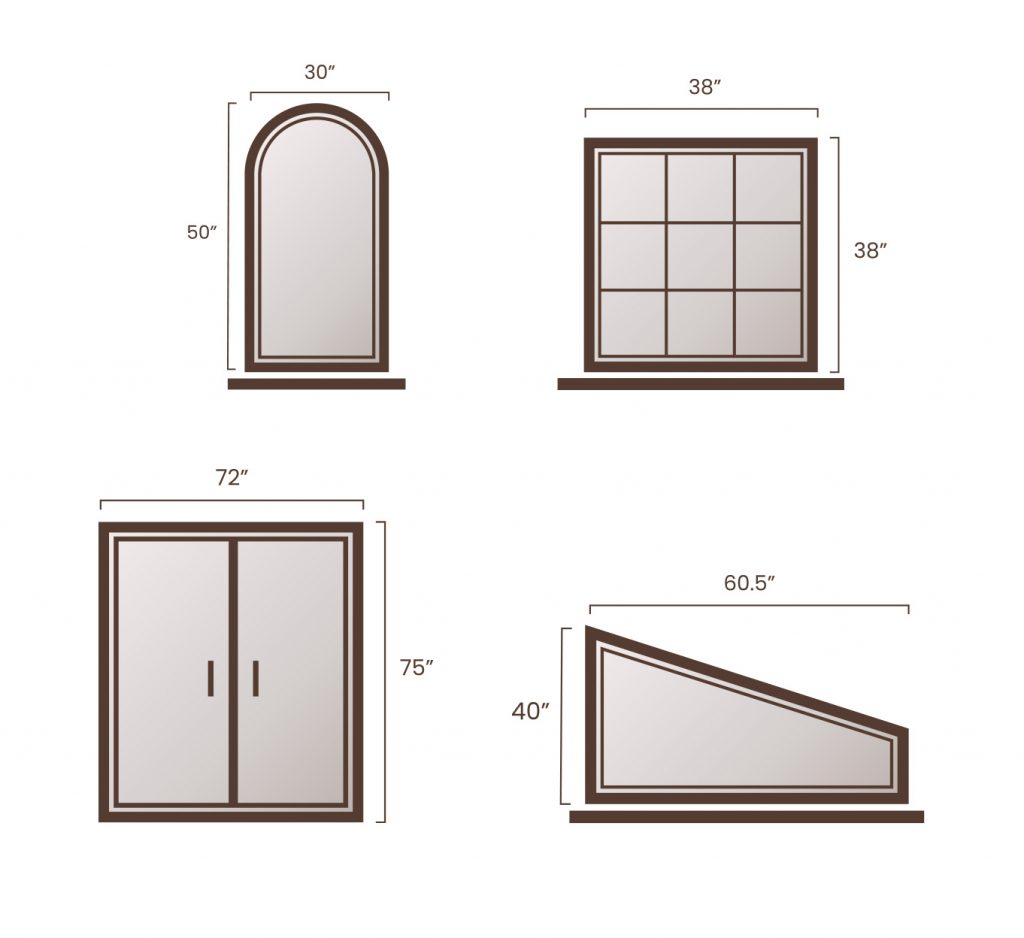
Measure the opening between the inside edges of the jambs at the top, middle, and bottom. Record the smallest width. Measure from the threshold to the head jamb on both sides and in the center, then use the shortest height. Write each number down. Small differences matter. Also check whether you are measuring the door slab, the frame, or the rough opening behind the trim; they are not interchangeable. If the trim hides the framing, avoid guessing about the rough opening.

Check the door’s swing and nearby obstacles. A handrail, light switch, or narrow hallway can limit how the door opens. Measure the available total width for the door, sidelights, and frame, and leave room for installation clearances specified for the unit. I would not rely on an old measurement, even if the existing door looks standard. Recheck before ordering. A tape measure can slip, and older homes are rarely perfectly square.

Choose a Door Material That Suits Your Climate and Upkeep

A front door with sidelights faces weather as one assembly, so match its material to local exposure. In damp climates, fiberglass resists moisture and needs little upkeep. Steel can insulate well, but chipped paint may expose it to rust. Wood offers warmth and can be repaired, yet it needs regular sealing or repainting, especially where rain hits the frame. Coastal salt is relentless. Check the sill, hinges, and lower door edge, where water and grit often collect.

The U.S. Department of Energy’s Energy Saver guidance estimates that windows account for about 25–30% of residential heating and cooling energy use. That figure covers windows, not a complete door-and-sidelight assembly, but it underscores the value of choosing efficient glazing. Compare the assembly’s NFRC-rated U-factor and solar heat gain coefficient, rather than judging glass by appearance alone. Cold regions generally benefit from lower U-factors; hot, sunny exposures may need lower solar heat gain. Ask how the frame, glass, and weatherstripping perform together. A well-rated door can still leak if installation is careless. I would also check whether the finish can be maintained with products available locally; that detail is easy to overlook.

Select Sidelight Placement, Width, and Glass Type

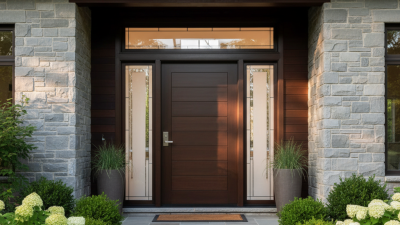
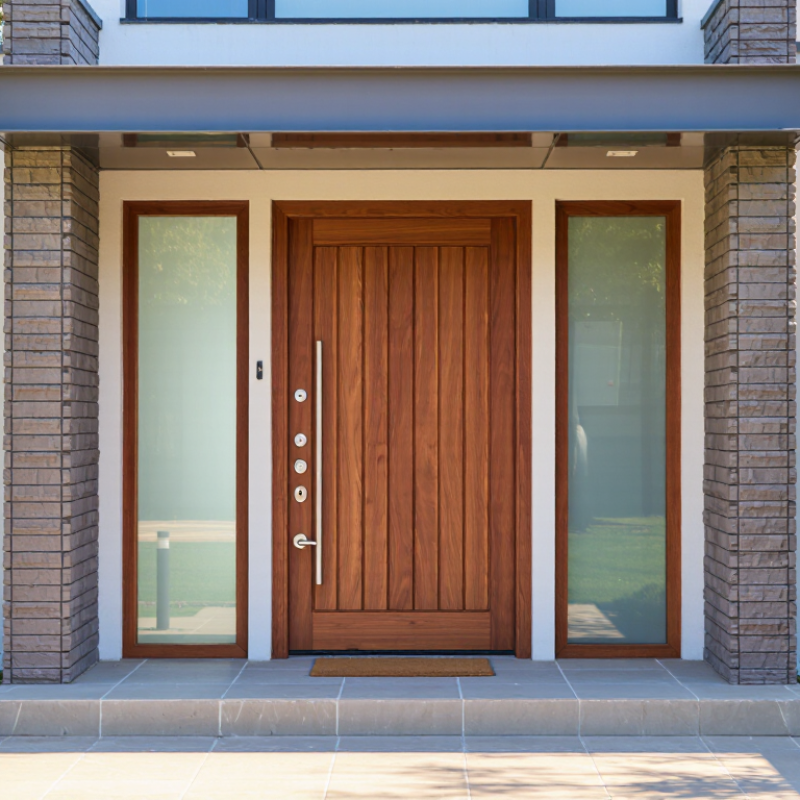
A sidelight can brighten an entry, but its position should work with the door’s swing and the space around it. With a single panel, compare the hinge side, handle side, and nearby wall before deciding. Keep the glass clear of hardware and allow comfortable room for the door to open. Two sidelights create a balanced look, though they may crowd a narrow porch. Measure twice.

Width is a visual choice as well as a construction detail. A very slim panel can look like an afterthought, while a wide one may overwhelm a modest door. Compare the proposed unit with the door and the surrounding trim, then confirm the rough opening with a qualified installer. Symmetry looks tidy on paper, but it can feel wrong beside an off-center porch. There is no perfect ratio for every home.

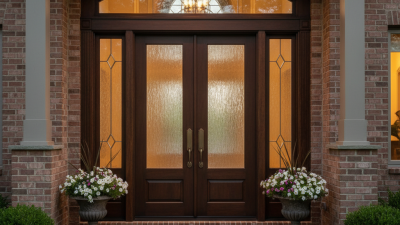
Glass type affects privacy, daylight, and upkeep. Clear glass gives a bright view, but passersby can see inside at night when lights are on. Frosted or patterned glass softens views while still admitting daylight. For strong sun, ask about insulated glass with a low-emissivity coating. Safety-glazing requirements vary by location and placement, so check before ordering. Small details count. A sample held beside the actual entry can reveal color and texture differences that a screen hides.

7 Tips for Choosing a Front Door with Sidelights — Select Sidelight Placement, Width, and Glass Type

Tip What to Consider Practical Guidance Why It Matters
1. Choose the placement One sidelight or a pair A single sidelight can go on either side of the door; choose the side that best suits the entry layout and interior sightlines. Use two for a more symmetrical appearance when the opening has enough space. Placement affects the entry’s balance, the view from inside, and how much wall space remains for switches, furniture, or trim.
2. Check the door swing Hinge side, latch side, and nearby walls Map the door’s full swing before selecting the sidelight configuration. Confirm that the open door, handle, and trim will not interfere with a wall, railing, or other nearby feature. A clear swing path helps prevent damage and makes the entrance easier to use.
3. Match the width to the entry Available rough-opening width Many residential sidelights are approximately 10–18 inches wide, but actual sizes vary. Measure the existing opening and account for the door, frame, sidelights, and required installation clearances. A wider sidelight admits more daylight but uses more wall space. The rough opening—not just the visible glass—determines what will fit.
4. Balance glass and privacy Clear, obscure, or patterned glass Clear glass provides an unobstructed view. Frosted, textured, or patterned glass diffuses views while still allowing daylight through. Ask for a sample when appearance and privacy are both important. Glass transparency affects privacy from the street, the amount of visible daylight, and the view into the home.
5. Consider glazing performance Insulation and climate Compare the product’s published U-factor and, where relevant, solar heat gain coefficient (SHGC). Lower U-factor generally indicates better insulation; suitable SHGC depends on climate, orientation, and local energy requirements. Performance-rated glazing can help manage heat loss, heat gain, and comfort near the entrance.
6. Verify safety-glazing requirements Glass near a door and local building rules Ask the supplier or installer whether safety glazing is required for the sidelight’s size and location. Building codes commonly require safety glazing in certain hazardous locations near doors; requirements depend on the adopted local code and installation details. Tempered or laminated safety glass is designed to reduce injury risk when glazing is broken. Confirm the applicable rules before ordering.
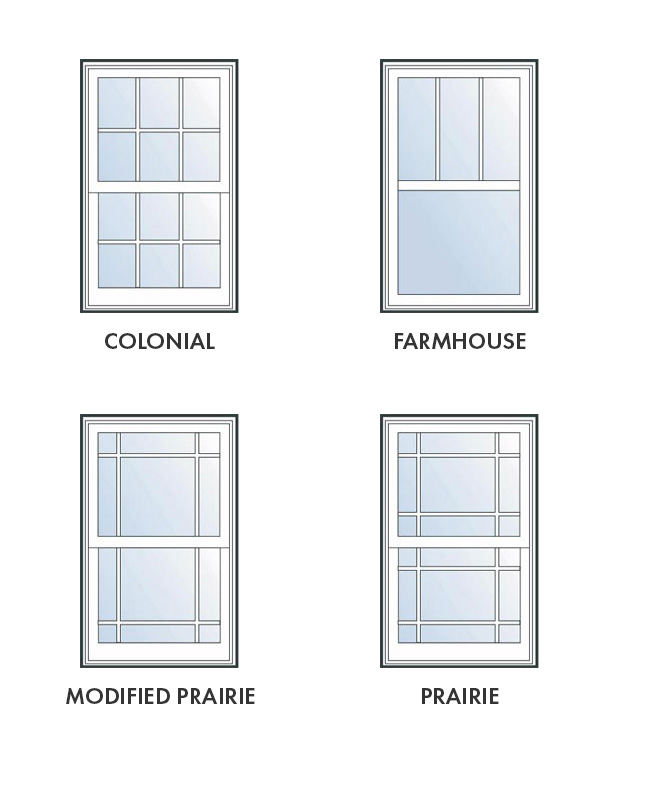
7. Coordinate the finish and installation Frame, trim, weather sealing, and maintenance Coordinate the sidelight frame and grille pattern with the door and exterior trim. Have the full opening measured, and confirm flashing, air sealing, and water management details with the installer. A well-matched, correctly installed assembly looks cohesive and helps limit drafts and moisture intrusion.

Planning note: Widths and code requirements vary by product, opening, and location. Verify dimensions and applicable building requirements with a qualified installer before purchasing.

Coordinate the Door Style, Color, and Hardware

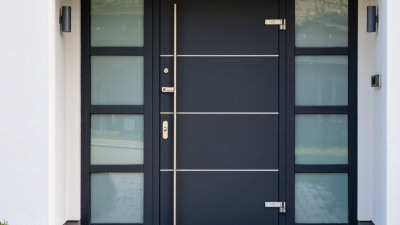
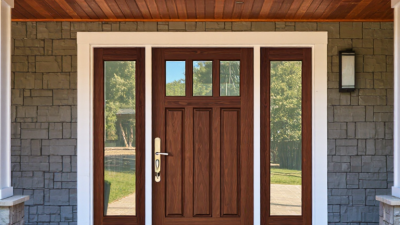
Treat the front door and sidelights as one visual composition. Their frames, glass patterns, and proportions should feel related, even when they are not identical. A simple pane beside a paneled door often keeps the entry calm. If the door has strong raised details, choose sidelights with cleaner lines so the entrance does not feel crowded.

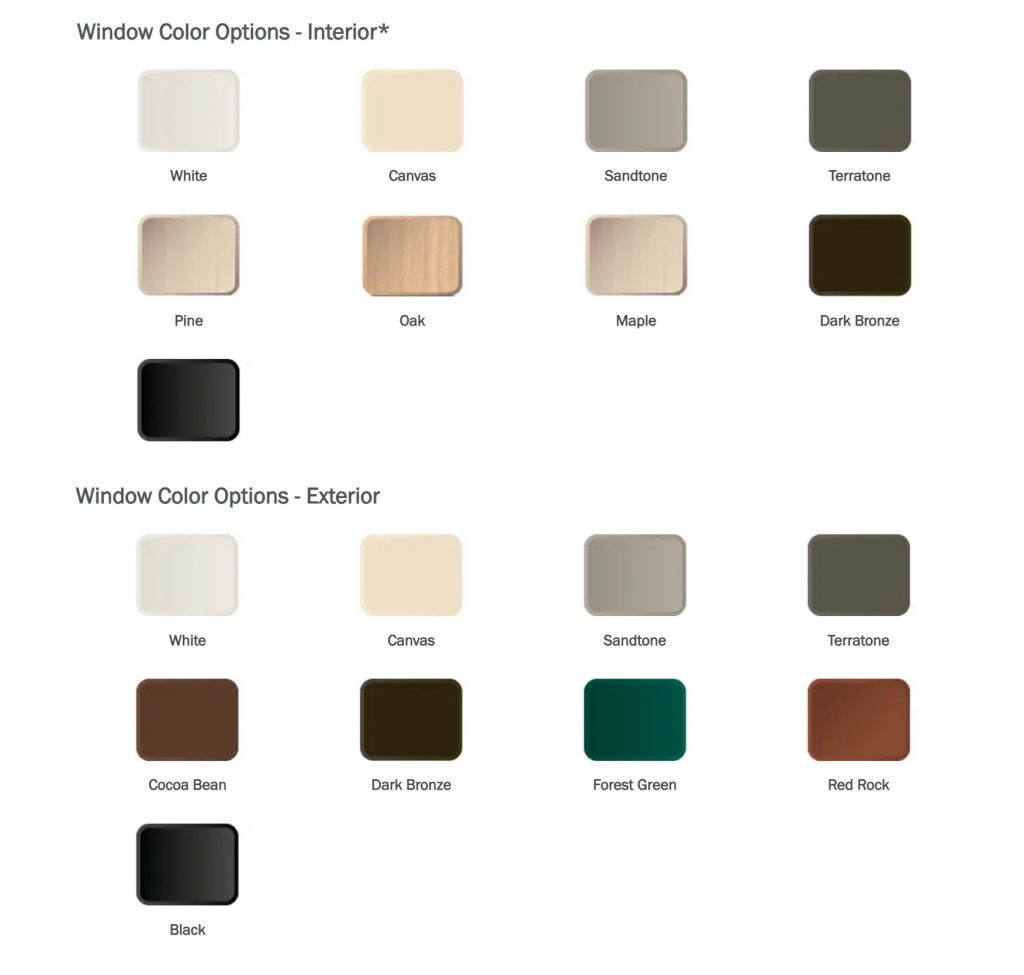
Color can tie the pieces together or create a deliberate contrast. Compare paint samples outdoors, where sun and shade can shift their appearance. A deep door color may stand out against pale trim, while a softer shade can blend with the siding. Small details matter. Perfect matching can look a little flat, though contrast is not always better; the home’s existing colors should guide the choice.

Hardware should suit both the door’s style and the scale of the sidelights. A substantial handle can balance a broad entry, while a slim set may suit a narrow, modern frame. Keep visible finishes coordinated across the handle, hinges, and nearby light fixtures. They do not need to match exactly, but competing metal tones can make the entry feel accidental. Check that exterior hardware is made for outdoor exposure, and test samples beside the actual door before deciding. Test it first.

Compare Privacy, Security, Energy Efficiency, and Installation Needs

Tip 1: Decide how much street-level visibility you can accept. Clear sidelights brighten an entry, but textured or frosted glass softens views of the hallway.

Tip 2: Check sightlines at night, with interior lights on. Daytime privacy can disappear after dark.

Tip 3: Treat glass beside the lock as part of the security plan. Choose impact-resistant or laminated glazing where available, and ask an installer whether the frame and locks are reinforced.

Tip 4: Compare the door’s full assembly, not just its glass. The U.S. Department of Energy reports that windows account for about 25–30% of residential heating and cooling energy use; that figure is not specific to sidelights, but it shows why glazing matters.

Tip 5: Review the National Fenestration Rating Council label. Compare U-factor and solar heat gain coefficient for your climate, and check seals for drafts. Small details matter.

Tip 6: Measure the rough opening, trim, and clearance for nearby walls or storm doors before ordering.

Tip 7: Confirm who handles flashing, weather sealing, and interior finish work. A careful installation helps prevent leaks and air gaps, yet old framing can complicate the job. Ask for an on-site assessment; measurements from photos alone can miss uneven floors or out-of-square openings.