How to Choose Glass Patio Doors in 2026?
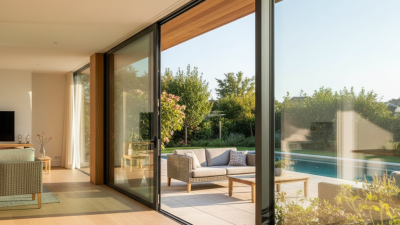
Choosing glass patio doors in 2026 means balancing daylight, comfort, security, and the realities of your home. A wide glass panel can brighten a dim dining area, but it also affects heat gain, privacy, and furniture placement. Architect and preservation expert Carl Elefante offers a useful reminder: “The greenest building is the one that is already built.” For homeowners, that is a reason to inspect an existing opening before replacing everything. A sound frame may deserve a thoughtful upgrade, not a rushed demolition.
Start with how the room faces the sun and how often the doors will be used. Compare frame materials, glass coatings, energy labels, locking hardware, and threshold design. Ask how the specific product performs in your climate; attractive showroom displays cannot answer that. Small details matter. A low threshold may ease access, while poor drainage or careless installation can invite trouble. Confirm who handles measuring, fitting, and warranty service before signing.
Looks are not enough. Think about glare on a laptop, a child’s fingerprints, and whether curtains will block the view you wanted. It is easy to overvalue a sleek frame; I would, too. The best choice is not always the most expensive or the most dramatic. This guide explains what to compare, which questions to ask installers, and where trade-offs deserve a second look, so your glass patio doors suit daily life—not just the catalog.
Identify Your Space, Climate, and Access Requirements
Choosing glass patio doors starts with the space around them, not the frame style.
Measure the opening, nearby furniture, and the clear floor area where a panel might slide or swing. A hinged door needs room for its full arc; a sliding door saves that space but leaves part of the opening covered. Think about daily traffic, too. If children, pets, or groceries pass through often, a low, easy-to-track threshold may matter more than a dramatic handle. Measure twice.
Climate changes what “comfortable” means.
In a sunny room, check glass ratings for heat gain and glare, and note where afternoon light lands on the floor. In colder or windy locations, compare insulation performance, weather seals, and resistance to water and air leaks. Coastal exposure can also make durable, corrosion-resistant hardware worth considering. Ask an experienced installer how the proposed door performs in your conditions, rather than relying on appearance alone. That matters. Finally, consider access: a wide, level opening may help someone using a mobility aid, while screens can improve ventilation without inviting insects inside. It is easy to focus on the view and overlook the threshold; that is a detail worth revisiting before ordering.
Compare Patio Door Styles and Opening Configurations
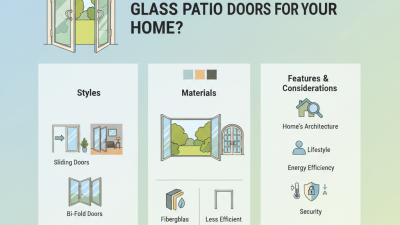
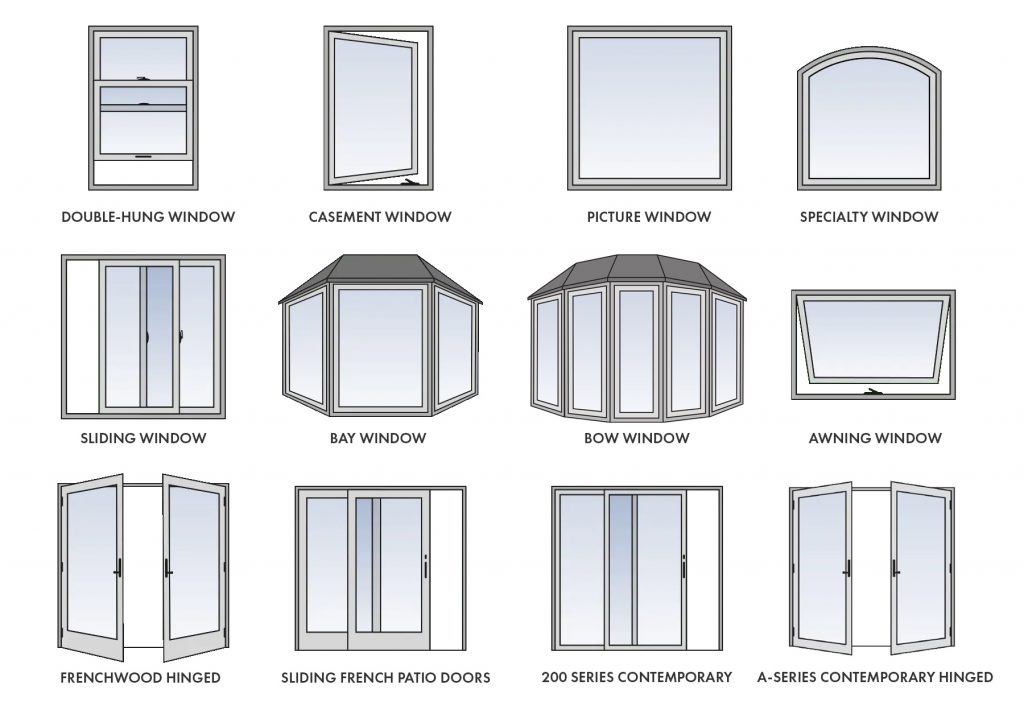
Choosing glass patio doors in 2026 means matching the opening to daily movement, not just the view. Sliding doors save floor space because their panels travel along a track, making them practical beside sofas or narrow decks. They do not open fully, though, and grit can collect in the track. French-style hinged doors create a broad, familiar passage, but their swing needs clear indoor or outdoor space. Folding and multi-slide systems can expose more of the wall opening. Larger panels may require stronger framing and precise alignment.
Compare opening configurations as carefully as door styles. A two-panel slider may have one fixed panel, while a three-panel layout can offer a wider moving section, depending on its track design. A pocket system hides panels inside a wall, but needs suitable wall depth and early planning. Small rooms matter. For hinged doors, check the swing direction against furniture, steps, and prevailing rain. Measure the framed opening, not just the visible glass, and ask for documented air and water performance suited to your climate. Threshold height also affects accessibility and water control. A taped floor outline can show whether the planned clear opening feels practical, though it cannot reveal every installation constraint.
Evaluate Glass Efficiency, Safety, and Privacy
How to Choose Glass Patio Doors in 2026?
Glass efficiency affects comfort as much as the door’s appearance.
The U.S. Department of Energy’s Energy Saver guidance estimates that windows account for about 25%–30% of residential heating and cooling energy use. Patio doors are part of that glass area. Check the National Fenestration Rating Council label for U-factor and solar heat gain coefficient (SHGC): lower U-factors generally mean less heat transfer, while SHGC helps indicate how much solar heat enters. A sunny west-facing room may benefit from a different balance than a shaded one.
That matters.
A strong rating cannot compensate for poor installation or worn weatherstripping.
Safety and privacy deserve equal attention.
Ask whether the glass is tempered or laminated, and confirm that the selected door meets applicable local safety-glazing requirements. Laminated glass is designed to hold together when cracked, though it is not unbreakable. For privacy, consider frosted or patterned panes, especially where a patio faces a neighboring window. Tinted glass can also reduce visibility, but it may dim the room more than expected. Stand inside at night with the lights on, then check what can be seen from outside.
I would not choose from a sample alone; the full-size door can feel quite different.
Choose Frame Materials, Hardware, and Security Features
Choosing glass patio doors in 2026 starts with matching the frame to your climate and maintenance habits. Vinyl frames resist moisture and need little upkeep, while aluminum offers slim sightlines but can transfer heat. Wood feels warm and can be refinished, though it needs regular protection from damp weather. Fiberglass is stable, but costs and availability vary. Compare full-door performance, not frame material alone. Ask for documented thermal ratings, and check that the glass suits your local conditions.
Tips: Slide the sample track open and closed. Look for smooth rollers, a secure latch, and an adjustable locking point. Confirm that the design includes anti-lift protection, so a panel cannot be easily raised from its track. Laminated glass may delay breakage, but it cannot make a door completely secure.
Measure the opening carefully, including the floor transition and space for curtains or furniture. A multipoint lock can engage at several points along the frame; installation and alignment still matter. Check whether locks, rollers, and weather seals can be replaced without removing the entire door. One detail is easy to overlook: a stiff handle may signal poor alignment, not stronger security. Ask the installer to demonstrate locking and release before the job is finished.
Review Installation Needs, Budget, and Long-Term Care
Before comparing glass patio doors, measure the rough opening, finished floor height, and clear space for the panels. A wider opening may require structural changes, new flashing, or sill repairs. Ask the installer to inspect drainage and the wall framing, not just the existing trim. Small details matter. In a retrofit, water damage behind the sill can turn a straightforward replacement into extra work. I still find this easy to underestimate.
Set the budget around the full installation, including removal, disposal, finishing, and a contingency for concealed damage. Glass performance also affects long-term comfort. The U.S. Department of Energy’s Energy Saver guidance estimates that windows account for 25–30% of residential heating and cooling energy use. Compare U-factor and solar heat gain coefficient, rather than choosing by appearance alone. ENERGY STAR’s residential window and door criteria use climate-specific performance thresholds, so check the rating for your region.
Plan for simple, repeatable care. Keep the track free of grit, clear weep holes, and inspect weatherstripping for gaps or brittleness. Follow the glass maker’s cleaning guidance; abrasive pads can damage some coatings. Ask how rollers, seals, and hardware can be accessed for service. A low price can be tempting. But a poorly drained sill or hard-to-replace component may cost more over time.