How to Choose Exterior Doors for Global Buyers?

Choosing exterior doors for global buyers requires more than comparing colors, prices, and catalogue photographs. A door facing coastal wind needs different protection from one installed in a dry, freezing region. Humidity, ultraviolet exposure, temperature changes, security expectations, and local building practices can all affect performance. The wrong material may swell, fade, warp, or demand costly maintenance within a few seasons.

Architectural expert Frank Lloyd Wright wrote, “Form and function should be one, joined in a spiritual union.” This principle remains useful when evaluating exterior doors. A strong design should support insulation, weather resistance, smooth operation, and visual character at the same time. Buyers should examine the door slab, frame, seals, hinges, threshold, glazing, finish, and installation method as one system. A beautiful slab cannot compensate for a leaking frame. Small details matter.

Ask practical questions before approving a sample. What is the tested thermal performance? How does the finish behave under strong sunlight? Can the hardware tolerate repeated use? Are replacement seals and compatible parts available in the destination market? Product documentation should be clear, traceable, and consistent. Certifications may differ between regions, so buyers must verify applicable requirements with qualified local professionals.

There is no universal best door. That assumption is tempting, but incomplete. A supplier’s experience with similar climates can reveal problems that brochures hide. Request installation drawings, maintenance guidance, performance data, and realistic lead times. The best exterior doors balance appearance, durability, regional suitability, and dependable after-sales support.
How to Choose Exterior Doors for Global Buyers?

Understanding Exterior Door Types and Their Applications

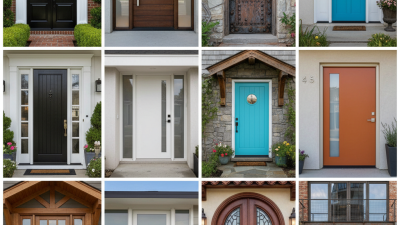
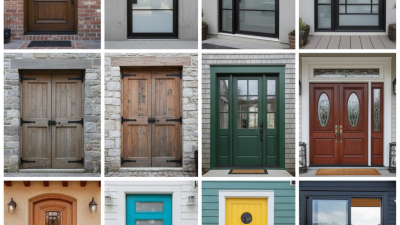
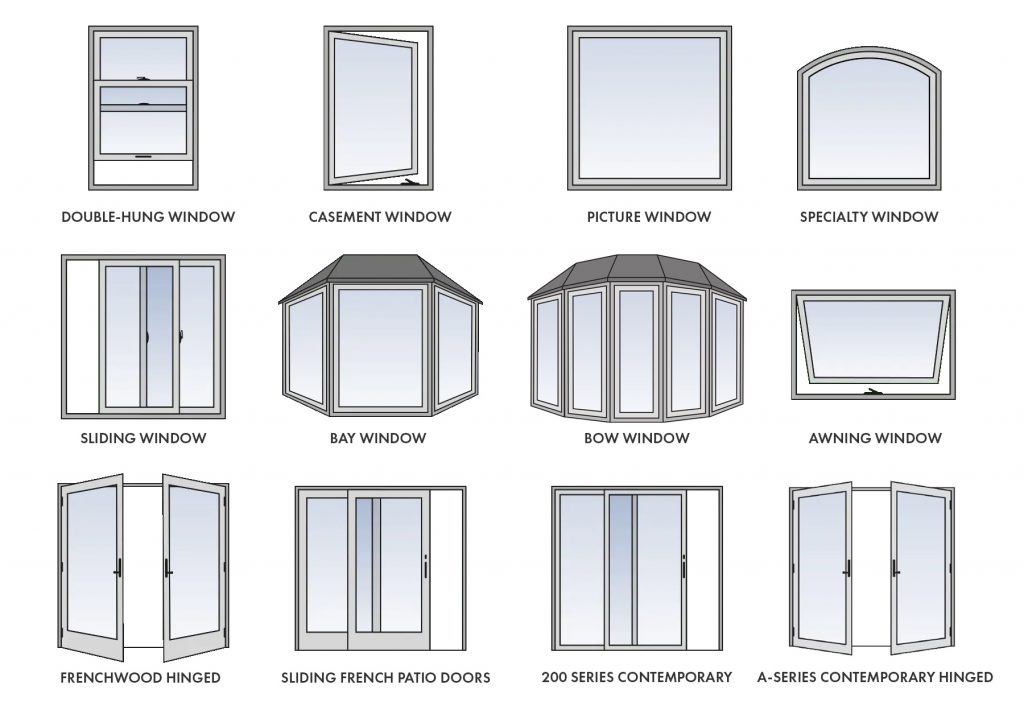
Exterior doors differ by movement, weather resistance, security, and installation needs. Hinged doors suit main entrances because they seal tightly and support insulated cores. Sliding doors save floor space and connect living rooms with balconies, but their tracks need regular cleaning. Folding doors create wide openings for restaurants, patios, and retail spaces. Pivot doors offer dramatic entrances, although their size can increase hardware and air-sealing demands.

Climate should guide the specification. In humid coastal areas, fiberglass or treated composite doors usually resist swelling better than untreated timber. In cold regions, insulated steel or composite slabs can reduce drafts when paired with accurate weatherstripping.

The U.S. Department of Energy reports that air leakage may represent 25–40% of a home’s heating and cooling energy use. A door’s frame matters as much as its panel. Often overlooked.

For apartments and public buildings, fire-rated doors require tested assemblies, certified hardware, and professional installation. Sound-sensitive projects may need solid cores, compression seals, and heavier frames.

The International Energy Agency reported that buildings consumed about 30% of global final energy in 2022, so small envelope decisions deserve attention.

I would not choose a large glass door only for appearance. Solar heat, wind pressure, drainage, and maintenance can change its real performance. No option is perfect. Regional standards, opening size, exposure, and installer skill should shape the final selection.

Evaluating Climate, Security, and Energy Efficiency Requirements

How to Choose Exterior Doors for Global Buyers?

Exterior doors must match the climate, not only the building style. The WMO State of the Global Climate 2023 reported that 2023 was about 1.45°C above pre-industrial levels. Heat, stronger rain, and coastal humidity can quickly expose weak seals and poor drainage. Specify insulated cores, corrosion-resistant hardware, and tested weather seals for demanding locations. In cold regions, compare whole-door U-values, not glass values alone. In hot climates, review solar heat gain and shading. The IEA’s Buildings 2023 report states that building operations use around 30% of global final energy. Small thermal gaps can create large lifetime costs.

Tips: Ask for certified U-value, air-leakage, water-penetration, and wind-load results. Check the threshold height against local rainfall. A beautiful door can still leak.

Security depends on the complete doorset. Review the frame, hinges, lock cylinder, glazing, and fixing points together. Independent testing under EN 1627, or an equivalent local standard, can clarify resistance performance. Confirm that installers follow the tested configuration. Field inspections often find failures at the sill, not the lock. That detail is easy to miss. For multi-family or commercial projects, consider controlled access and emergency egress requirements early. Perfect specifications are rare, and climate assumptions can be wrong. Recheck them with local engineers before ordering.

Selecting Suitable Materials, Designs, and Performance Features

How to Choose Exterior Doors for Global Buyers?

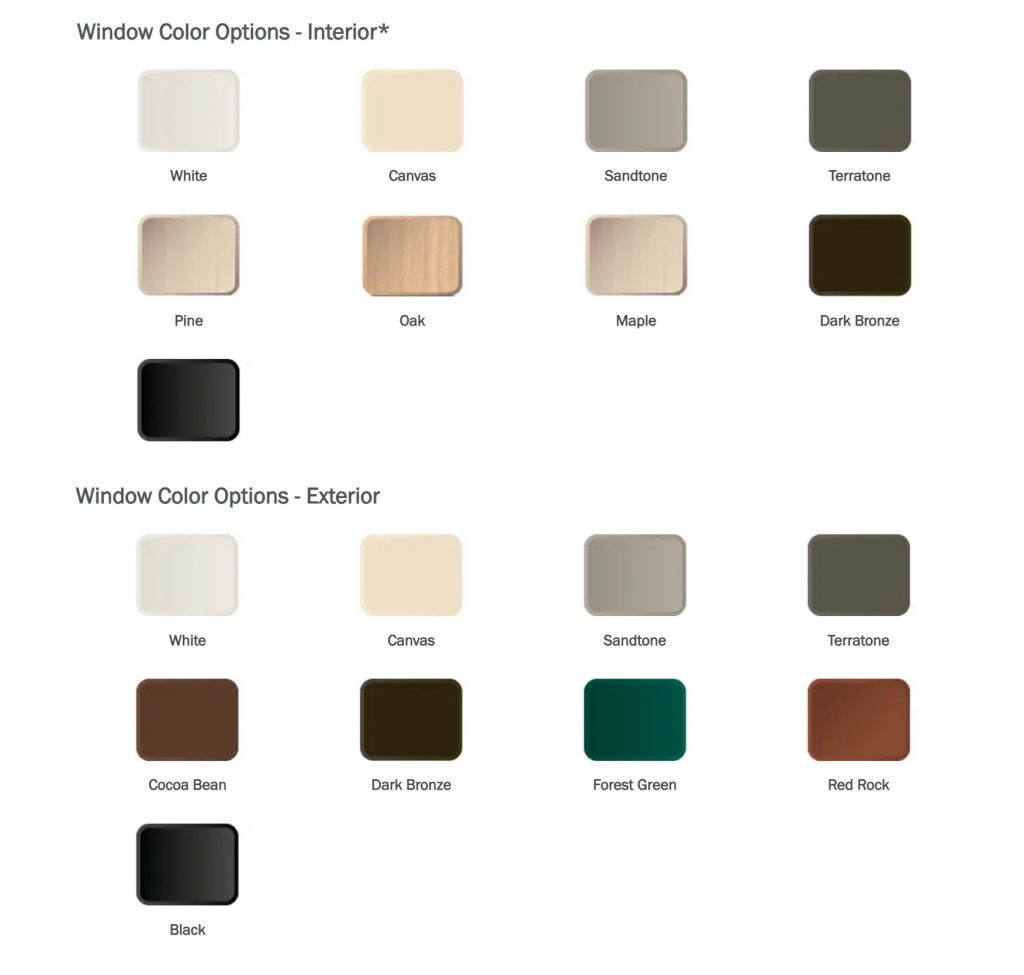
Selecting an exterior door starts with the local climate, building structure, and daily use. A door exposed to coastal salt needs corrosion-resistant hardware and a durable protective finish. In cold regions, insulated cores, thermal breaks, and compression seals help reduce heat loss. Hot climates may require low-solar-gain glass and finishes that resist fading. Solid timber offers warmth and repairability, but it needs careful moisture control. Fiberglass and reinforced steel can provide stable performance with less seasonal movement.

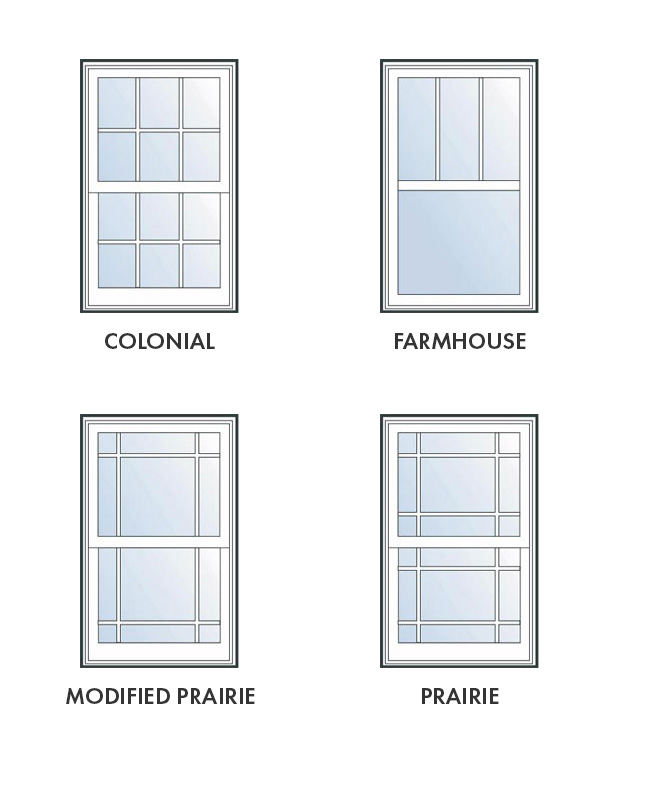
Design should support both architecture and practical access. Measure the wall opening, swing direction, threshold height, and clearance for furniture. A wide glazed panel can brighten an entryway, but laminated or toughened safety glass may be more suitable for busy homes. Check drainage details around the sill. Small mistakes become expensive later.

Performance documents deserve close attention. Ask for verified air, water, wind, thermal, and hardware-test data that matches the intended installation. Security should include strong hinges, dependable locking points, and a rigid frame, without making emergency exit difficult. Requirements differ between countries, so local building guidance and a qualified installer remain important. Do not trust impressive numbers without test conditions.

I would not choose a door by appearance alone. Some attractive designs perform poorly when seals compress unevenly. A careful review of samples, warranties, maintenance instructions, and replacement parts can prevent regret. Yet even the best specification can fail after careless installation. Inspect the finished door during rain and seasonal temperature changes.

How to Choose Exterior Doors for Global Buyers?

Selecting the right exterior door requires balancing material, design, climate, security, and energy performance. The chart compares representative room-temperature thermal conductivity values for common door materials. Lower conductivity generally indicates better insulation potential, although the final door U-factor also depends on the core, glazing, frame, seals, and installation.

Fiberglass-reinforced polymer and wood typically provide lower thermal conductivity than metal. Aluminum and steel doors can still achieve strong energy performance when designed with thermal breaks, insulated cores, low-E glazing, and high-quality weatherstripping.

Checking International Standards, Sizes, and Installation Conditions

How to Choose Exterior Doors for Global Buyers?

An exterior door should match local standards, not only a preferred design. Check the building code and required performance class before ordering. Requirements may cover air leakage, water penetration, wind resistance, thermal insulation, fire rating, and security. Standards differ between markets, so a certificate from one region may not satisfy another authority. Request test reports for the exact door size, glass type, frame, and hardware.

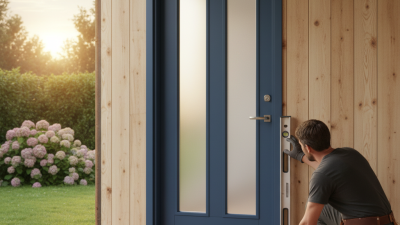
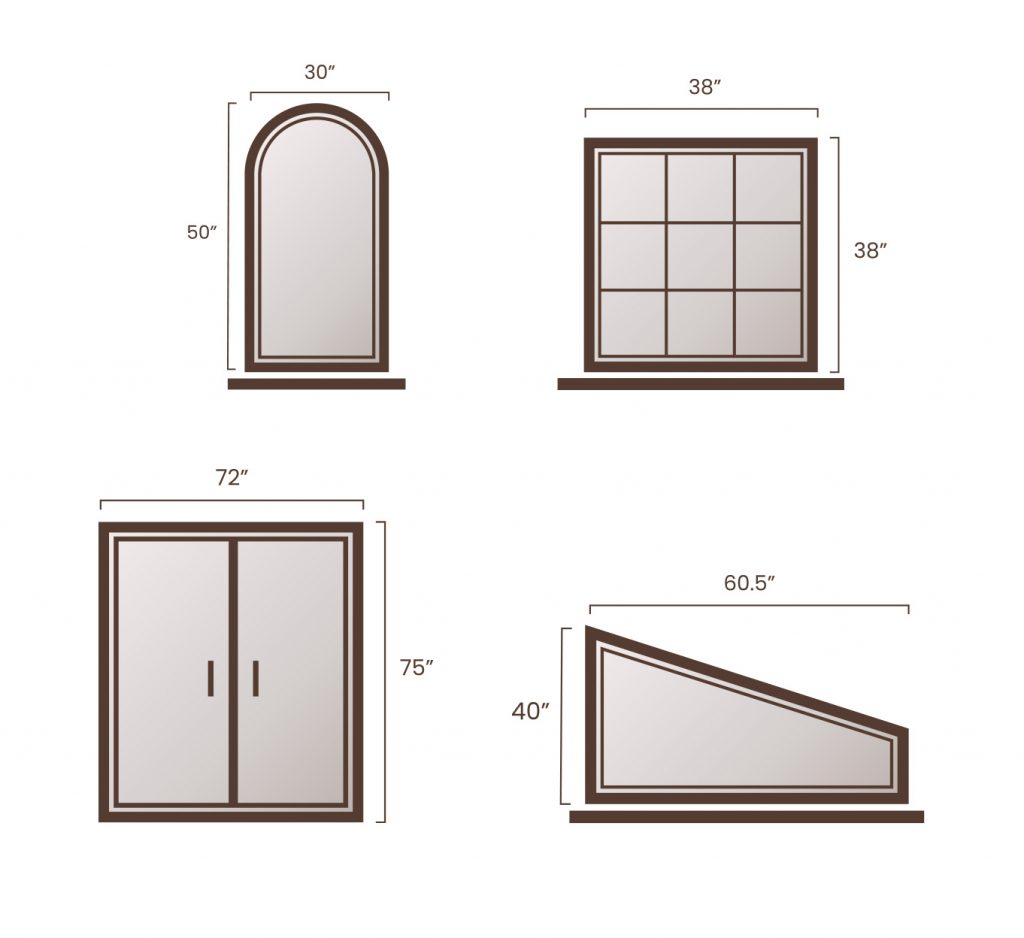
Measure carefully at the installation site. Record the rough opening width, height, wall thickness, sill level, and opening direction. Metric and imperial dimensions can create small but costly errors. Leave the manufacturer’s recommended tolerance for shims and adjustment. A door that fits the opening may still fail if the threshold meets an uneven floor. Check drainage paths, exterior cladding, insulation depth, and nearby steps before production.

Climate also changes installation conditions. Coastal projects need suitable corrosion protection, while cold regions require a continuous sealing layer around the frame. Hot, sunny elevations may need low-expansion materials and shade planning. I have found that drawings often miss the sill detail. That omission causes trouble. A checklist helps, but it is not perfect. Reconfirm site measurements after masonry, flooring, and insulation are complete. Clear records, dated photos, and signed dimensional checks make international coordination more reliable.

Comparing Suppliers, Costs, Warranties, and Shipping Options

When choosing exterior doors globally, compare the complete landed cost, not only the factory quotation. In supplier audits, I check material specifications, thermal performance, testing records, and production capacity. The 2022 Global Status Report for Buildings and Construction states that buildings use about 30% of global final energy. Therefore, insulated cores, weather seals, and low air leakage deserve serious attention.

Warranty terms often reveal supplier reliability. Request coverage periods, exclusions, replacement procedures, and response times in writing. A five-year warranty may be weaker than a three-year warranty with clear claim support. Shipping also changes the final price. UNCTAD reports that maritime transport carries over 80% of global merchandise trade by volume.

Compare EXW, FOB, and DDP quotations carefully. Include crating, port handling, insurance, customs duties, inland delivery, and possible storage fees. A cheap quote can become expensive after arrival.

Tips: Ask for a sample door before placing a large order. Test its hinges, seals, drainage, and surface finish. Confirm carton dimensions and pallet weight for freight calculations. Keep every promise inside the contract. I have seen buyers trust attractive spreadsheets too quickly. That mistake is understandable, but preventable. Build a comparison table with price, lead time, warranty, test evidence, and shipping responsibility. Also review currency risks, because exchange rates can quietly damage a narrow project budget.