2026 Best Exterior Front Door Trends for Global Buyers?
When selecting an exterior front door, trends evolve rapidly, reflecting both design aesthetics and functionality. The exterior front door serves as the home’s first impression. In 2026, homeowners are increasingly focused on durability, style, and energy efficiency.
One notable trend is the use of bold colors. While some prefer classic tones, vibrant hues are making a statement. This reflects a desire for individuality in home design. Homeowners are also exploring materials that weather well over time. Composites and fiberglass are popular due to their low maintenance and high durability.
Moreover, technology is influencing exterior front door choices. Smart locks and integrated lighting systems offer security and convenience. However, balancing aesthetics with functionality remains a challenge. Buyers must ask if their choices will enhance or detract from their home’s charm. Exploring these trends is essential for global buyers looking to improve their properties effectively.
Emerging Styles in Front Door Design for 2026 Global Buyers
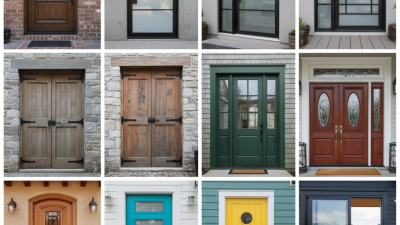
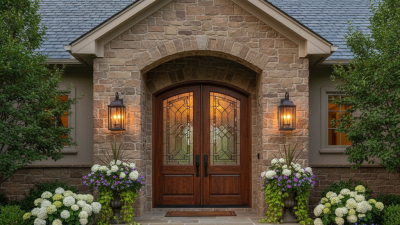
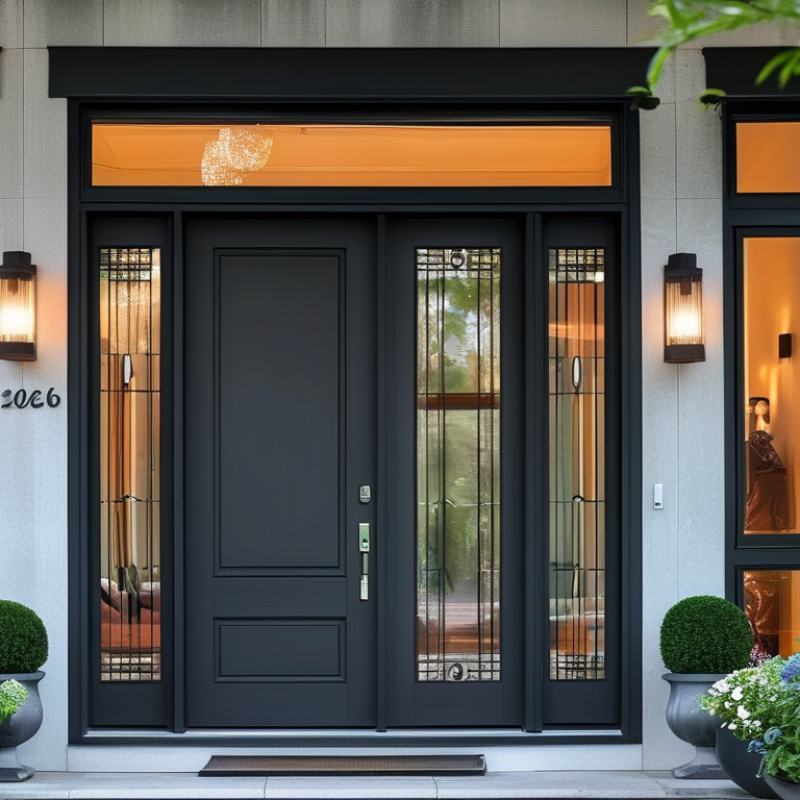
As we approach 2026, front door design is evolving to reflect global buyer preferences. Emerging styles focus on unique shapes and eco-friendly materials. Curved doors are gaining popularity, offering a softer, more inviting aesthetic. Color choices are becoming bolder, moving beyond traditional neutrals to vibrant hues. This shift enhances curb appeal and individual expression.
When selecting a front door, consider not only the design but also its durability. Weather-resistant materials can save money in the long run. Ensure the door fits your home's architecture. A well-chosen door creates a cohesive look with the rest of your property.
Innovative features are also on the rise. Smart locks and integrated lighting enhance security and functionality. However, these tech additions may raise maintenance challenges. It's essential to weigh their benefits against potential issues. Balancing style and practicality is key for the ideal entryway.
Innovative Materials Reshaping Exterior Front Doors in 2026
In 2026, exterior front doors are evolving with innovative materials that enhance both aesthetics and function. Homeowners are exploring new options beyond traditional wood and metal. For instance, fiberglass is gaining traction for its durability and versatility. This material can mimic the look of wood while providing better insulation. It resists warping and weather damage, making it a practical choice for many climates.
Another trend is the use of upcycled materials. People are becoming more eco-conscious. Doors made from reclaimed wood or recycled composites offer a unique charm. They reduce waste and showcase a home’s commitment to sustainability. Furthermore, smart technology is being integrated into door designs. Keyless entry systems are not just for convenience; they improve security. Homeowners can monitor access and lock their doors remotely, reflecting a blend of functionality and modern living.
Despite these advancements, some challenges remain. Not every innovative material fits all architectural styles. Homeowners must consider how a new door will complement their house’s design. Additionally, maintenance needs can vary. Some materials may require regular upkeep, which could be a drawback for busy lifestyles. Balancing innovation with practicality is key as buyers navigate the latest trends.
2026 Best Exterior Front Door Trends for Global Buyers
Color Trends for Front Doors: What's Hot in 2026?
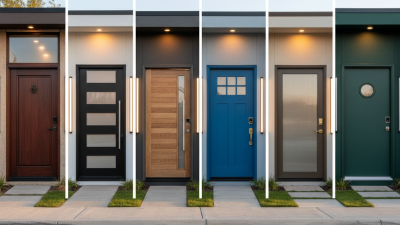
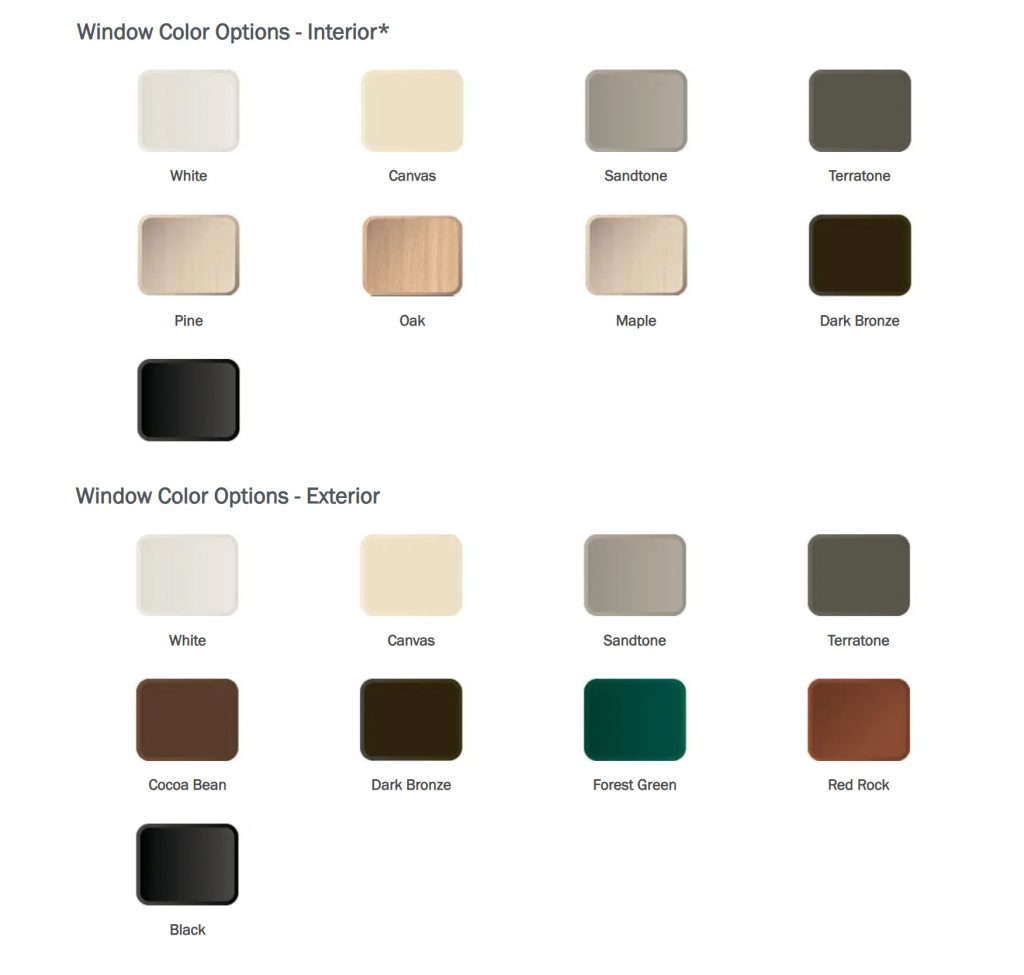
Color plays a vital role in defining the aesthetics of a home. For front doors in 2026, vibrant hues will take center stage. According to recent industry reports, 65% of homeowners now prioritize bold colors. These shades range from deep teal to rich burgundy. They not only add personality but also elevate curb appeal significantly. A fresh coat of paint in a trendy color can enhance a home's perceived value.
Natural tones will also gain popularity. Soft greens, warm taupes, and earth-inspired browns cater to the desire for harmony with nature. Research suggests that homes with doors in these shades are perceived as more inviting. In urban areas, 58% of buyers express a preference for colors that reflect their environment. Yet, not everyone favors change. Traditionalists may resist this vibrant movement, questioning the longevity of bold colors.
Innovation in materials will influence color choices. Fiberglass and steel doors allow for richer, long-lasting finishes. An estimated 45% of manufacturers predict an increase in color customization options. Homeowners may want to experiment. But selecting the right color for a front door requires careful consideration. It reflects personal style and sets the mood for the entire home. Balancing trend with timelessness can be challenging.
Smart Technology Integration in Front Door Designs for 2026
Smart technology is transforming front door designs in 2026. Homeowners seek doors that offer security, convenience, and style. Modern doors now integrate innovative smart technology, enhancing both functionality and aesthetic appeal. Smart locks allow keyless entry, ensuring safety and ease of access. Some doors even feature video doorbells, providing a clear view of visitors before opening.
Incorporating smart technology can be straightforward. Many systems are easy to install and can connect to existing home automation setups. Consider automated lighting that activates when the door is approached. Motion sensors paired with smart locks can enhance security. However, it's important to balance tech features with simplicity. A door should still be intuitive to use.
Not all smart solutions are flawless. Users may face challenges with connectivity or app malfunctions. Reflecting on these potential issues can guide your choices. Ensure any smart technology aligns well with your lifestyle. Look for reliable options with good support and warranties. A thoughtful approach can make your 2026 front door a perfect blend of style and innovation.
2026 Best Exterior Front Door Trends for Global Buyers
| Trend |
Description |
Features |
Popularity |
| Smart Lock Integration |
Front doors equipped with smart locks to enhance security and convenience. |
Remote access, mobile app control, security alerts |
High |
| Eco-Friendly Materials |
Use of sustainable materials for an environmentally friendly approach. |
Recycled wood, bamboo, low VOC finishes |
Medium |
| Customizable Designs |
Personalized door designs allowing buyers to reflect their style. |
Color options, design patterns, material choices |
High |
| Integrated Smart Home Features |
Doors that work seamlessly with existing smart home systems. |
Voice activation, connectivity with other smart devices |
High |
| Enhanced Security Measures |
Innovative features aimed at boosting door security. |
Reinforced frames, multi-point locking systems |
High |
Sustainable Practices in Front Door Manufacturing for Global Markets in 2026
The focus on sustainable practices in front door manufacturing is becoming increasingly important for global markets in 2026. As climate concerns grow, consumers demand eco-friendly options. This shift drives manufacturers to source sustainable materials and adopt energy-efficient production methods. For instance, using recycled metals and responsibly harvested wood helps reduce environmental impact. Innovations in bio-based materials also show promise, providing durable yet sustainable alternatives.
Additionally, many companies are recognizing the importance of ethical labor practices. This requires transparency in the supply chain and adherence to fair trade principles. While the industry is moving toward greener practices, challenges remain. Not every manufacturer prioritizes sustainability, which can lead to confusion for consumers trying to make informed decisions. The lack of standardized certifications for sustainable doors also complicates matters.
Investing in education and awareness is crucial. Consumers need to understand what makes a door sustainable. This knowledge will empower them to choose wisely. As we approach 2026, the path toward more sustainable front doors seems hopeful, yet many questions linger. It's essential to keep pushing for clearer guidelines and responsible choices in manufacturing.