Choosing front doors with glass is a balance between daylight, privacy, security, and energy performance. A clear panel can brighten a shaded entry, while textured or frosted glass softens views from the street. The right choice depends on your home’s orientation, local weather, and how exposed the doorway feels. Small details matter.
The U.S. Department of Energy reports that windows account for about 25–30% of residential heating and cooling energy use. That figure is not specific to glass doors, but it shows why glazing performance deserves attention. The National Fenestration Rating Council’s labels let shoppers compare U-factor and solar heat gain coefficient (SHGC), two useful measures when evaluating products. Ask the manufacturer for the complete rating, not just a claim that the door is “energy efficient.”
Security and everyday use need equal care. Consider laminated or impact-resistant glazing where appropriate, a sturdy frame, reliable locks, and glass positioned to limit easy reach-through access. Check how the door handles rain, direct sun, and temperature changes at your entry. A beautiful panel can still feel wrong at night. That is easy to overlook. Before choosing, compare samples in daylight and view them from both sides of the doorway. Product specifications cannot predict every home’s experience, and that is worth remembering. A practical choice should suit the entrance you actually have, not only the showroom display.
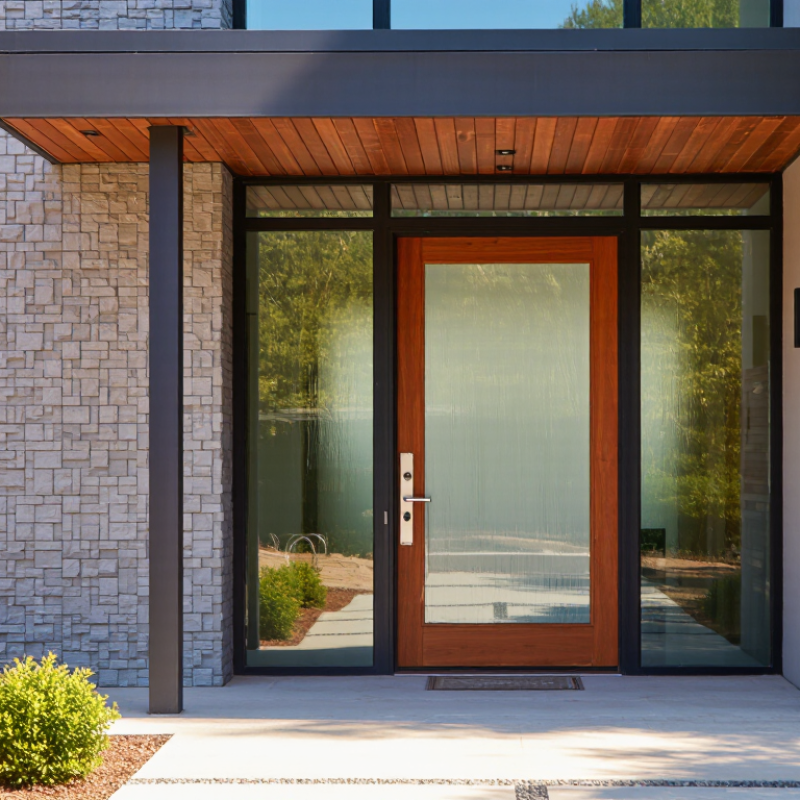
Glass front doors mainly come in full-lite, half-lite, and decorative-glass styles. Full-lite doors use a large glass panel, bringing daylight into a dim entryway. Half-lite designs keep glass in the upper section and solid material below. They offer a little more visual privacy. Decorative glass may include textured, frosted, or patterned panels. Look at samples in daylight; a pattern can appear much clearer indoors than expected.
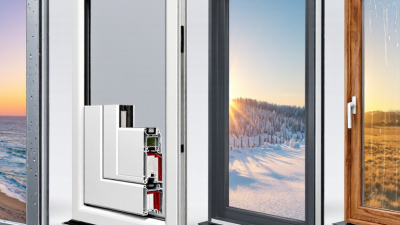
Glazing also varies. Double-pane units place two glass sheets around an insulating space, while some doors use three panes. Low-emissivity coatings help manage heat transfer without necessarily making the glass visibly dark. The U.S. Department of Energy estimates that windows account for 25–30% of residential heating and cooling energy use. That figure is for windows, not doors, but it highlights why glazing performance matters. The National Fenestration Rating Council’s labels report U-factor and solar heat gain coefficient, useful measures when comparing door assemblies. Lower U-factor generally means less heat transfer. Still, ratings do not capture every draft, installation gap, or shaded porch. A beautiful door can disappoint if fitted poorly.
Compare the typical privacy level of popular front-door glass styles. Ratings are qualitative: 1 means very little privacy and 5 means more privacy. Actual results vary with the glass pattern, lighting, and product.
Clear glass maximizes visibility and daylight, while frosted and patterned glass obscure views. Tinted glass may offer limited daytime privacy, but it is less effective at night when indoor lights are on. Decorative glass privacy depends on its design.
How to Choose Front Doors With Glass?
Assess Glass Safety, Privacy, and Energy Performance
A glazed entry should balance safe construction with the light and visibility you want. For glass near the floor or within reach of the handle, ask whether the glazing is tempered or laminated and request documentation against applicable safety-glazing standards. The U.S. Consumer Product Safety Commission’s 16 CFR Part 1201 and ANSI Z97.1 are useful references. Requirements depend on the door’s location and design, so a label alone may not answer every question. Small details matter.
Privacy is practical, not just aesthetic. Stand outside at dusk and check whether interior lights reveal faces or hallway details. Frosted or patterned glass can soften views, while clear sidelights may expose more than expected. For energy performance, compare the complete door assembly’s NFRC ratings, not glass claims alone. The U.S. Department of Energy’s Energy Saver guidance estimates that windows account for 25–30% of residential heating and cooling energy use; this is a broad estimate, not a prediction for one front door. Lower U-factor generally means less heat transfer, while SHGC indicates how much solar heat enters. The right SHGC depends on climate and sun exposure. I would not treat one rating as the whole story: frame quality, weatherstripping, and installation gaps also affect comfort.
| Glass option | Safety considerations | Privacy and daylight | Energy performance | Good fit when… |
|---|---|---|---|---|
| Clear insulated glass | Confirm the glazing meets applicable safety-glazing requirements for its location. Tempered glass breaks into small pieces; laminated glass is designed to hold fragments together. | Provides the clearest view and admits substantial daylight, but offers little visual privacy. | A sealed double-pane unit generally insulates better than single glazing. Compare the whole-door U-factor and SHGC on the product’s rating information. | You want an open view and the entry does not need much screening. |
| Obscure or patterned glass | The texture or pattern changes visibility, not the glass’s impact-safety classification. Check whether the glass is safety-rated where required. | Diffuses views while allowing daylight through. Privacy varies by pattern and viewing distance; close-up shapes may still be discernible. | The pattern itself does not establish insulation quality. Look for insulated glazing and compare rated U-factor and SHGC. | You want daylight with less direct visibility through the entry. |
| Laminated glass | A plastic interlayer helps keep broken fragments attached to the pane. It can improve post-breakage retention, but should not be treated as a guarantee against forced entry. | Clear laminated glass has similar visibility to clear glass; privacy depends on any added tint, pattern, or coating. | Lamination alone does not determine thermal efficiency. Check the complete glazing and door ratings. | Fragment retention is a priority, subject to local code and the door’s tested specifications. |
| Low-E insulated glass | Low-E describes a thin coating, not a safety-glass type. Verify the pane also has the required safety classification. | Usually remains visually clear, though some coatings can slightly affect appearance or reflectivity. | A low-emissivity coating can reduce heat transfer. The effect on solar heat gain depends on the coating and glazing configuration; compare U-factor and SHGC for the whole door. | Energy efficiency matters and you want to retain a clear view. |
| Tinted glass | Tint does not by itself make glass safer. Check the safety-glazing specification and applicable local requirements. | Reduces visible light and can soften views. It is not reliable one-way privacy: visibility can reverse at night when interior lights are on. | Tint can reduce solar heat gain, but may also reduce daylight. Compare the rated SHGC and visible-light information for the selected unit. | The entry receives strong sun and reduced glare or solar gain is desired. |
| Decorative glass with internal grille | A grille between panes is generally protected from contact, but it does not replace safety-rated glazing where required. Confirm the door assembly specifications. | Grilles add visual detail but typically provide limited privacy unless paired with obscure glass or another privacy feature. | Energy performance depends mainly on the glazing construction, coatings, frame, and door seals—not the decorative grille alone. | You want a divided-light appearance with grilles that are easier to clean than exposed bars. |
Selection check: Verify local safety-glazing rules and review the complete door’s certified ratings. A lower U-factor indicates better resistance to heat flow; SHGC indicates how much solar heat the glazing admits. For privacy, assess the glass from both sides in daytime and at night.
A glass front door should suit the house, not just brighten it. For a traditional home, a wood door with divided-lite glass can echo older window patterns. Fiberglass offers similar detailing with less routine upkeep. Steel often suits simple, modern façades and can feel sturdy, though dents may be difficult to repair. Material choice matters. The U.S. Department of Energy advises comparing door insulation and air leakage, since a poor fit can undermine comfort.
Glass & performance Match the glass to the room behind the entrance. A clear upper panel brings daylight into a dim hall; frosted or textured glass softens views from the street. Check the National Fenestration Rating Council label. Its U-factor rates heat transfer, while solar heat gain coefficient indicates how much sun-driven heat enters. In a hot, sunny climate, that distinction matters. In colder regions, prioritize a well-insulated door and careful weatherstripping.
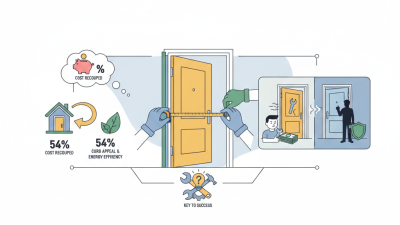
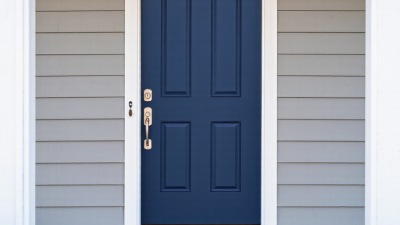
Cost, comfort & curb appeal The 2024 Remodeling Cost vs. Value report estimated a 188% cost recoup for steel entry-door replacement in its U.S. national averages. That is a resale estimate, not a promise, and local results vary. A glazed design may feel welcoming, but more glass can mean less privacy and more cleaning. I’d compare samples at the actual entrance, morning and evening; showroom lighting can be misleading. A dark frame might look sharp on a white façade, yet feel too stark beside warm brick. Check the label.
Measure the entryway before choosing a glass-panel door. Record the opening width at the top, middle, and bottom, then use the smallest measurement. Measure height on both sides and at the center. Check the jamb depth, threshold height, and wall thickness, too. A tape measure can miss a bowed frame, so inspect the opening with a level. Measure the rough opening if replacing the frame; measure the existing slab only when keeping it. Small differences matter.
Confirm the installation details before ordering. The new frame must suit the opening, flooring, exterior trim, and door swing. Check whether the sill needs a sloped threshold or flashing, and follow the door maker’s instructions for fastening and sealing. The U.S. Department of Energy reports that windows account for about 25–30% of residential heating and cooling energy use; this is not a door-specific figure, but it shows why glass performance deserves attention. Compare the glass’s U-factor and air-leakage rating, and verify local requirements. I’ve seen a neat-looking opening hide an uneven sill. It happens.
Tips: Keep a written measurement sheet and take photos of hinges, trim, and the threshold. Leave installation clearance as specified, not guessed. If the frame is out of square, pause and ask an experienced installer to assess it. That extra check may feel fussy. Better than forcing a poor fit.
With a glass front door, compare the full installed price, not just the door’s listed cost. Ask whether each quote includes the frame, threshold, weatherstripping, disposal, and trim repairs. Glass type affects price: insulated or laminated units may cost more than basic glass, while improving comfort or durability. Ask for comparable quotes. A low bid can hide missing work.
Read the warranty before choosing. Check how long the door, frame, hardware, and glass are covered, since they may have different terms. Look for exclusions involving installation, condensation, seal failure, or accidental damage. Ask who handles a claim and whether labor is included. Keep the receipt and installation paperwork; they can save time later.
Maintenance depends on the glass and frame. Wipe glass with a soft cloth, clear grit from the sill, and check weatherstripping for gaps each season. Wood frames may need more frequent paint or finish checks than some other materials. That upkeep is easy to underestimate. I’d weigh the yearly care alongside the upfront price, though local weather and installation quality can change the equation. A door that looks affordable may need attention sooner than expected.

5960 Odana Road
Madison, WI 53719
T: 608.442.0032
1001 Frank H Street
Waunakee, WI 53597
T: 608-268-7140