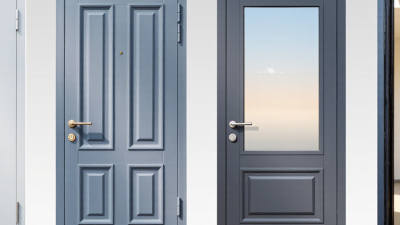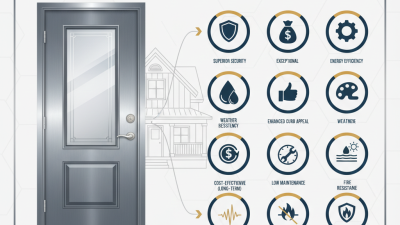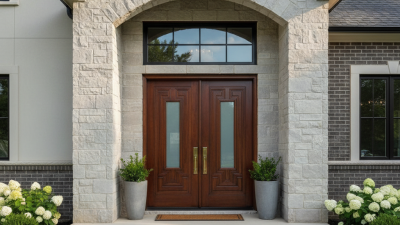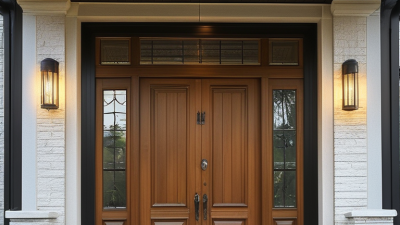
Choosing the best steel entry doors from China means looking beyond appearance and price. A smooth finish and decorative glass can catch the eye, but daily performance depends on the door’s construction, hardware, and installation. Buyers should compare complete specifications, not rely on product photos or broad claims.
Check the steel thickness, frame design, corrosion-resistant coating, hinges, lock preparation, and weather seals. For insulated models, ask about the core material and stated thermal performance. Details matter. Request drawings, test reports, finish samples, and clear information about customization and lead times. Confirm that any claimed certifications apply to the exact model being quoted and suit your project’s requirements.
A reliable supplier should answer technical questions consistently and explain how quality is checked during production. If possible, review a sample or inspect a completed order before committing to a larger purchase. Ask how packaging protects corners, glass, and painted surfaces during transport. Small marks can matter when a door becomes the focal point of an entrance. Ask for evidence. Still, no checklist guarantees a trouble-free order; measurements, shipping, and local installation all affect the result. This guide compares the features, supplier practices, and buying considerations that help identify steel entry doors worth evaluating. It also highlights questions to raise before choosing a design, so the final decision rests on verifiable details rather than a polished sales promise.
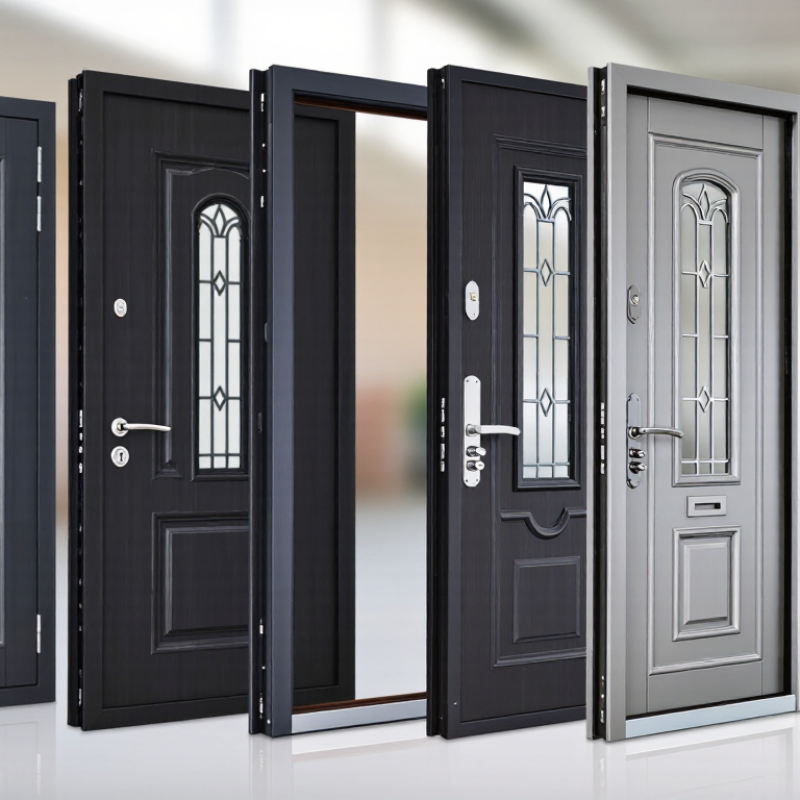
The best steel entry doors are defined by how reliably they perform, not by appearance alone. Start with the door’s construction: check steel thickness, core material, frame design, and reinforcement around the lock and hinges. Ask for documented test results covering air leakage, water resistance, and structural performance. A polished finish is useful, but it cannot compensate for a weak frame.
Details matter. In coastal or humid areas, confirm that the steel has suitable corrosion protection and that cut edges receive proper treatment. Examine the weatherstripping closely; it should sit evenly without gaps at the corners. Door dimensions and wall conditions also affect the result. Even a well-made unit can leak or bind if it is installed out of square. I would compare complete specifications and sample details, rather than trust broad claims like “heavy-duty.” Some product sheets are unclear, so ask the supplier to explain unfamiliar ratings in writing.
Tips: Request a sample corner or finish chip, plus installation drawings and test documentation. Check hinge capacity, threshold design, and replacement-part availability before ordering. Keep the answers on file. A little extra checking helps.
Chinese steel entry doors begin with design choices that affect daily use. Engineers select the steel grade, skin thickness, frame profile, and reinforcement layout. These details influence stiffness, weight, and how securely hinges attach. A door can look substantial yet flex around an unsupported lock area. Small details matter.
In production, steel sheets are cut and formed, then joined into door skins and frames. Reinforcement plates are placed around locks and hinges. Some designs use insulated cores to reduce heat transfer and soften outside noise. The core must fit closely; gaps can weaken performance. Welds, edges, and drainage paths also need inspection before coating. Otherwise, moisture may collect in hidden seams.
Finishing usually includes surface preparation and a protective coating, with color and texture chosen for the intended setting. Quality checks may cover dimensions, coating consistency, hardware alignment, and repeated opening and closing. Ask for documented test results and material specifications, not just a heavy-door claim. Manufacturing quality can vary between factories and production batches. A thoughtful design still needs careful installation, and that part is easy to underestimate.
Steel Sheet Thickness Reference for Entry-Door Design
Approximate conversions for standard U.S. steel sheet gauges: a lower gauge number indicates thicker sheet steel. Thickness is only one design factor; compare the complete door’s core, frame, finish, and tested performance when evaluating products.
A steel entry door performs well only when its materials work together. The steel skin resists dents and weather, but thickness alone does not determine strength. Ask for the panel’s steel gauge and construction details, then compare them with the intended use. A door facing heavy daily traffic needs a different level of durability from one used occasionally. Details matter. Look for corrosion protection beneath the finish, especially around cut edges and hardware openings. A painted surface may look smooth in a showroom, yet poor edge protection can allow rust to start where water collects.
The core affects insulation, sound control, and how firmly the door feels when it closes. A well-fitted insulating core can reduce drafts, but the frame, threshold, and perimeter seals matter just as much. Check the fit. Gaps near the latch or bottom edge can undermine an otherwise capable panel. Strong hinges, reinforced lock areas, and a rigid frame help maintain alignment over time. Ask suppliers for test reports covering air leakage, water resistance, and structural performance, and confirm that the tested configuration matches the door being offered. A thick-looking panel can still disappoint if its frame twists or its seals compress unevenly. Specifications help, but installation quality is easy to overlook—and sometimes hard to judge from photographs alone.
Choosing a steel entry door from China takes more than comparing prices and catalog photos. Ask each manufacturer for the exact door model, steel thickness, core material, frame details, and hardware specifications. A quoted steel gauge can be confusing, so request thickness in millimeters and confirm whether it describes one skin or the full assembly. Small details matter: a misaligned hinge or thin coating can affect installation and durability.
Check certificates and test reports carefully. ISO 9001 indicates a quality-management system; it does not prove that a specific door meets fire, security, or weather-performance requirements. Request reports from an independent testing body, and confirm that the tested model matches the product being quoted. Verify the report’s date, scope, and issuing organization. Ask how inspections are recorded, how defects are handled, and whether production samples can be checked against a finished shipment. Paperwork can look tidy, while product consistency still needs proof.
Tips: Compare the same specifications across suppliers. Request close-up photos of welds, corners, seals, and coating, plus a sample if practical. Clarify packaging, lead time, warranty terms, and who pays for replacement parts. Keep the questions in writing; a vague answer is worth following up.
Before buying a steel entry door from China, confirm the complete assembly—not just the steel slab. Ask for the frame material, core type, weatherstripping details, hardware, and tested dimensions. The U.S. Department of Energy’s Energy Saver guidance notes that steel doors commonly use foam cores to improve insulation. Compare the product’s NFRC-certified whole-unit U-factor where available; a lower value indicates less heat transfer. Check the label and test documentation match the exact size and glazing configuration you plan to order. Small details matter.
Measure the rough opening at the top, middle, and bottom, then compare those figures with the manufacturer’s installation drawings. Check wall depth, threshold height, swing direction, and clearance for flooring. A door that fits the opening may still leave gaps if the frame is wrong. Ask for installation instructions and confirm local installers can follow them before placing a large order. Also request corrosion-protection details, especially for coastal or damp locations, and verify packaging protects corners and finishes during transit. A scratched surface can become more than a cosmetic issue.
Allow time for inspection before installation. Photograph the packaging and door on arrival, and compare the delivered unit with the approved specifications. Buyers often focus on price and overlook replacement-part access. That can be costly. NFRC ratings help compare energy performance, but they do not confirm fit, durability, or workmanship; review those separately.
| Door Type or Buying Factor | Typical Features | Best Suited For | What Buyers Should Verify |
|---|---|---|---|
| Insulated steel entry door | Steel skins over a foam-insulated core; thermal performance varies with the complete door design, glazing, frame, and weather seals. | Most homes where durability, reduced drafts, and everyday security are priorities. | Request the complete door’s tested thermal-performance data, such as its U-factor, and check that the frame and seals are included in the specification. |
| Steel door with a glazed lite | Includes a vision panel, which may use insulated or decorative glazing; glazing changes the door’s overall thermal and security performance. | Entrances where daylight or visibility is important. | Confirm glass type, safety-glazing compliance for the installation location, glazing dimensions, and whether the full assembly has the required performance ratings. |
| Steel door with sidelights or a transom | A door combined with fixed glazed panels. The overall unit is wider or taller than a single-leaf door. | Entrances designed for more natural light or a wider architectural opening. | Check the rough opening, full-unit dimensions, support requirements, weather sealing, and safety-glazing requirements for each panel. |
| Steel fire door assembly | A rated door is part of a tested assembly; the door, frame, hardware, seals, and installation details all matter. | Locations where building codes or the project specification require a fire-rated opening. | Require test and certification documents for the exact assembly and rating. Do not assume an ordinary steel entry door is fire-rated. |
| Steel skin thickness | Product specifications may state steel thickness or gauge. As a rough reference, 18-gauge steel is about 1.2 mm and 16-gauge is about 1.5 mm; actual thickness and conventions can vary. | Buyers comparing dent resistance, door weight, and intended use. | Ask whether the figure refers to the steel skin or another component, and request the stated material thickness and tolerance rather than comparing gauge alone. |
| Core and thermal performance | Common insulated constructions use a foam core. Insulation type and thickness alone do not establish the performance of the complete installed door. | Projects with energy-efficiency or comfort targets. | Compare documented whole-door ratings where available, and confirm the threshold, frame, perimeter seals, and installation details. |
| Finish and corrosion protection | Steel doors may have a factory-applied primer or finished coating. Durability depends on the coating system, preparation, exposure, and maintenance. | Exterior entrances, especially those exposed to rain, humidity, or coastal conditions. | Request the coating specification, care instructions, warranty terms, and any stated limitations for coastal or severe-weather exposure. |
| Security and hardware preparation | Lock and hinge performance depends on the door, frame, reinforcements, hardware, and installation as a complete system. | Buyers who need compatibility with a specific lockset or access-control system. | Confirm backset, bore locations, hinge positions, reinforcement, frame material, and compatibility with the selected hardware before ordering. |
| Size, handing, and swing | Doors are supplied in specified sizes and configurations; custom dimensions and opening direction may affect lead time and fit. | Replacement projects and openings with nonstandard dimensions. | Measure the rough opening and finished wall thickness. Confirm unit dimensions, handing, swing direction, threshold, and frame depth in writing. |
| Weather and structural testing | Air leakage, water penetration, and structural-load performance are evaluated using specific test methods and product configurations. | Exposed entrances and projects subject to local performance requirements. | Ask for current test reports for the exact model and configuration. Check applicable local code requirements; a test result for one configuration may not apply to another. |
| Shipping, inspection, and installation | Transport can affect corners, finish, glazing, and hardware. Proper installation is essential for alignment, operation, and weather sealing. | All imported door orders, particularly custom or glazed units. | Agree on packaging, delivery terms, inspection and damage procedures, replacement-part availability, installation instructions, and responsibility for local code compliance. |
Selection tip: The best option depends on the opening, climate, local codes, and required performance. Compare documented specifications for the complete door assembly, not just the steel skin or a product description.

5960 Odana Road
Madison, WI 53719
T: 608.442.0032
1001 Frank H Street
Waunakee, WI 53597
T: 608-268-7140