What Is the Best Type of Front Entry Door?
Choosing the best front entry doors is less about appearance alone and more about how a door performs every day. It should welcome guests, resist weather, reduce drafts, and protect the home. A beautiful door that swells after one wet season is not a wise investment. Neither is a heavily insulated door with hardware that feels weak.
Tom Silva, a longtime general contractor and This Old House expert, has said, “The front door is the most important door in the house.” That idea still matters. The entry door creates the first impression, but it also manages heat, noise, moisture, and security. Fiberglass doors often offer strong durability with limited maintenance. Steel doors can provide excellent security and value, though scratched finishes may invite rust. Wood doors deliver warmth and character, yet they require careful sealing, especially in humid or rainy climates.
There is no universal winner.
The right choice depends on local weather, the home’s architecture, daily use, and installation quality. A poorly fitted premium door can leak air around its threshold. A modest fiberglass door may perform better when installed correctly. Look closely at the frame, weatherstripping, hinges, lockset, glass rating, and warranty. Stand inside the entryway on a windy day. Feel for movement or a cold draft.
This guide compares the major front entry doors materials and designs. It also considers energy efficiency, upkeep, security, cost, and long-term appearance. Some recommendations may challenge popular design advice. That is intentional. The best door is not always the most expensive one; it is the one that remains dependable after years of opening, closing, rain, sunlight, and real family life.
Factors That Define the Best Front Entry Door
What Is the Best Type of Front Entry Door?
The best front entry door depends on more than appearance. Material, insulation, security, weather resistance, and installation quality all shape performance.
Steel doors often provide strong security and stable value, while fiberglass doors resist moisture, dents, and temperature changes.
Solid wood offers warmth and character, but it needs regular sealing. A beautiful door can still disappoint.
Energy performance deserves careful attention. The U.S. Department of Energy recommends inspecting weatherstripping, thresholds, and frame gaps because air leakage can reduce comfort and increase heating or cooling demand. Look for an NFRC-certified label when available. Its U-factor indicates insulation performance, while the solar heat gain coefficient shows how much solar heat enters. Lower is not always better in every climate. Orientation matters.
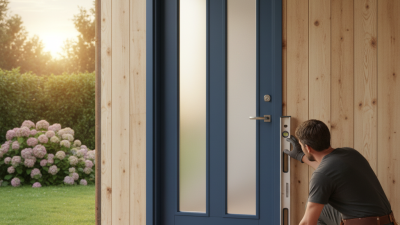
Installation is frequently underestimated. A high-performing door installed in a twisted frame may leak around the edges. Measure the rough opening, check the sill slope, and test the latch after installation.
The 2024 Cost vs. Value Report by Zonda found that steel entry door replacement recovered about 188% of its national average project cost at resale.
This figure is an average, not a promise. Regional labor, door size, and installation defects can change the result.
My practical preference is a properly fitted, insulated door over an expensive door with weak sealing.
That choice is less glamorous, but usually more dependable.
Comparing Wood, Fiberglass, Steel, and Glass Door Types
What Is the Best Type of Front Entry Door?
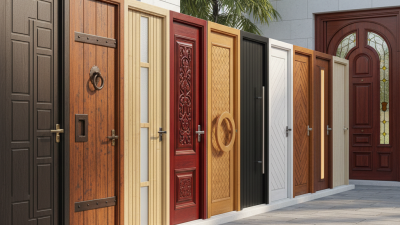
Wood, fiberglass, steel, and glass each solve a different entry-door problem. Wood offers warm grain and easy refinishing, but it needs careful sealing. Moisture can swell the bottom edge. Fiberglass resists dents, humidity, and temperature changes, making it a practical choice for exposed entrances. Steel provides strong impact resistance and often costs less than premium wood. However, scratches can expose metal to rust. Glass creates a bright, open hallway, especially with low-emissivity coatings, but privacy and heat gain require attention.
Energy performance depends more on construction than material alone. The U.S. Department of Energy identifies windows as a major source of residential heat loss and gain, so a glazed door deserves similar scrutiny. Look for an NFRC label, weatherstripping, insulated cores, and a well-fitted threshold. The 2024 Cost vs. Value Report recorded about 188% cost recoupment for a steel entry-door replacement. That figure is regional, not a promise. A cheaper door can still perform poorly after careless installation.
Tips: Check the jamb for drafts on a windy day. Choose fiberglass for wet climates. Choose steel where security and value matter most. Use wood when appearance and repairability outweigh maintenance. Glass works best with obscured or laminated panels. I would not choose a fully glazed door for every home. The hallway may feel larger, but privacy can disappear at night. That trade-off is easy to miss.
Evaluating Energy Efficiency, Security, and Durability
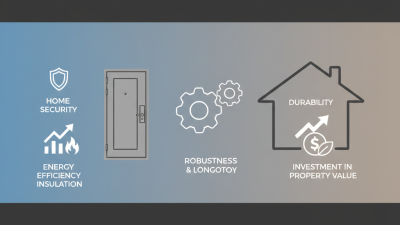
Choosing the best front entry door requires more than attractive panels and polished hardware. Energy efficiency begins with a tight fit. Look for insulated cores, low U-factor ratings, adjustable thresholds, and continuous weatherstripping. On a cold morning, a poorly sealed door can create a noticeable draft near the floor. Glass inserts need careful attention too. Double-pane, low-emissivity glass usually limits heat transfer better than single-pane glass.
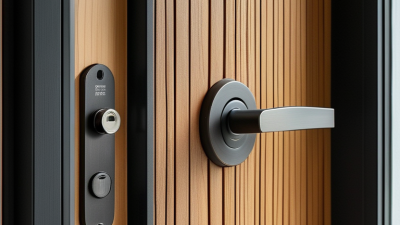
Security depends on the complete entry system, not only the lock. A solid or reinforced door resists forced impact more effectively than a lightweight hollow model. Strong hinges, long screws, a reinforced strike plate, and a properly anchored frame matter greatly. Test the deadbolt after installation. It should extend smoothly without pushing or lifting the door. Small gaps around the frame can weaken an otherwise excellent product.
Durability varies with climate and maintenance. Fiberglass and well-finished steel often handle moisture and temperature changes better than untreated wood. However, every material has weaknesses. Wood may swell, while steel can develop rust if its protective coating is damaged. I once focused too heavily on the slab and overlooked the threshold. That was a mistake. Water staining often begins there. Check drainage, repaint exposed surfaces, and inspect seals annually. No entry door is maintenance-free.
Choosing the Best Front Entry Door for Your Home
Choosing the Best Front Entry Door for Your Home
The best front entry door depends on your climate, security needs, and maintenance habits. Steel doors offer strong protection and usually cost less than solid wood. Fiberglass doors resist dents, moisture, and temperature changes. Wood creates warmth, but it needs regular sealing, especially around the lower edge. That detail is easy to ignore.
Energy performance also matters. Look for a tight frame, insulated core, and weatherstripping that compresses evenly. The U.S. Department of Energy identifies air leakage as a major source of residential energy loss, so installation quality deserves serious attention. A beautiful door can still waste energy if daylight appears around its frame. In my experience, a careful sill inspection often reveals more than a showroom visit.
Budget decisions need realistic evidence. The 2024 Cost vs. Value Report recorded an average 188.1% cost recoup for steel entry door replacement. However, this figure reflects national averages and specific project assumptions. The National Association of REALTORS’ Remodeling Impact Report also shows that exterior improvements can improve buyer appeal, but resale results vary by location. Do not choose a door only for return on investment. Check the swing direction, threshold height, lock reinforcement, glass safety rating, and warranty terms. I would also test the latch by hand. Some doors look impressive but close poorly after seasonal movement.