| 1 | Confirm the aluminium alloy and temper | EN 573-3 EN 755-2 ASTM B221 may be used to identify alloy composition, mechanical properties and extrusion requirements. | Request the alloy designation, temper condition, dimensional tolerances and a material test certificate for the aluminium profiles. | Check that the alloy and temper stated on the purchase specification match the profile drawings, test documents and delivery records. |
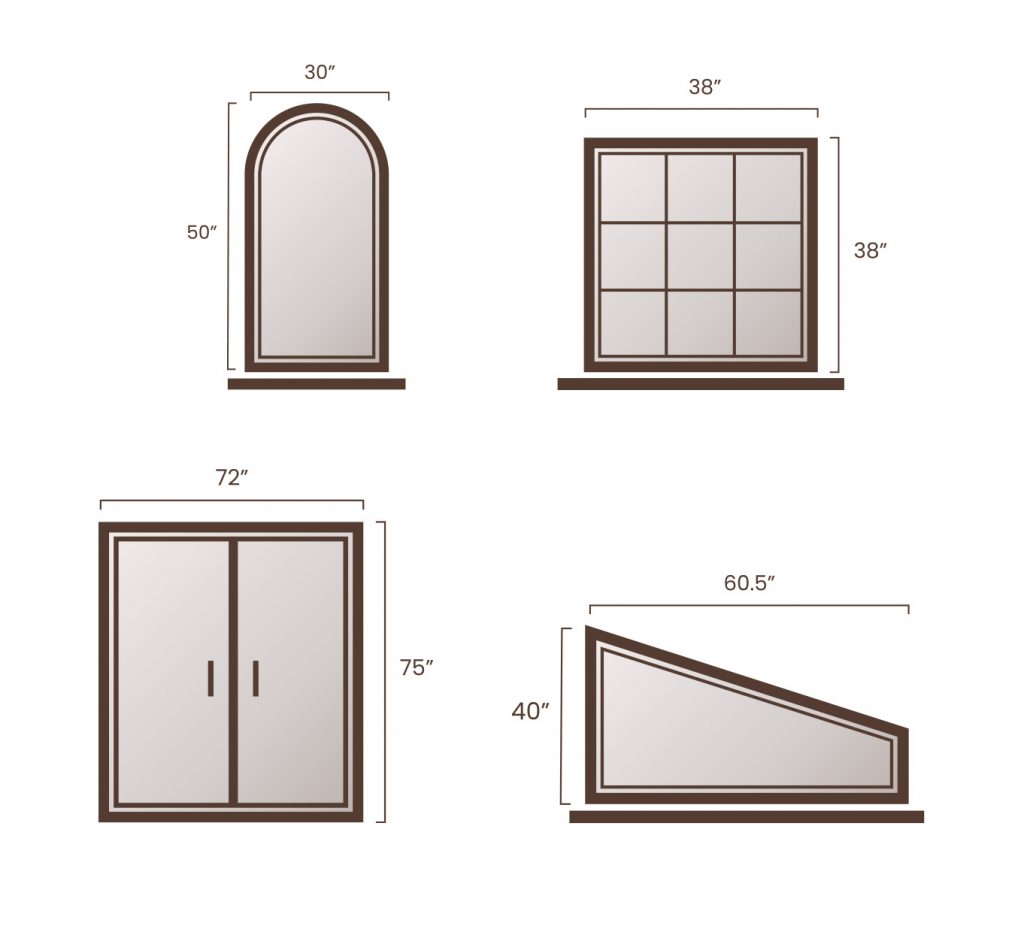
| 2 | Evaluate extrusion quality and dimensional consistency | EN 755-9 is commonly referenced for profile tolerances. For precision architectural profiles, the applicable project specification should define critical dimensions. | Ask for profile cross-sections, tolerance tables, inspection procedures and sample dimensional inspection reports. | Measure wall thickness, width, height, straightness and key interface dimensions on approved samples before mass production. |
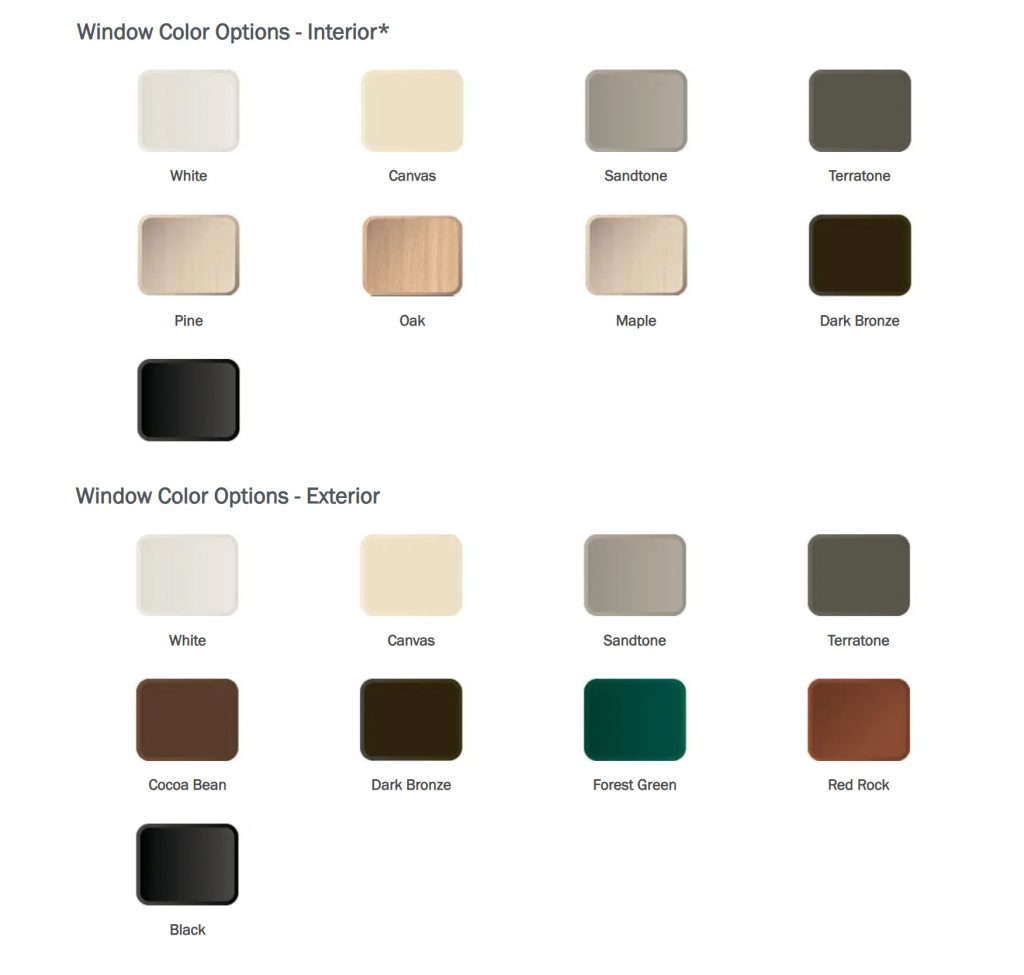
| 3 | Check surface treatment and coating durability | ISO 7599 applies to anodized aluminium finishes. Powder-coated architectural aluminium may be assessed using standards such as EN 12206-1. | Request the finish specification, coating or anodizing process description, colour reference, coating thickness records and durability test reports. | Inspect colour uniformity, gloss, adhesion, visible defects and coating thickness. Confirm that cut edges and drainage areas are properly treated where required. |
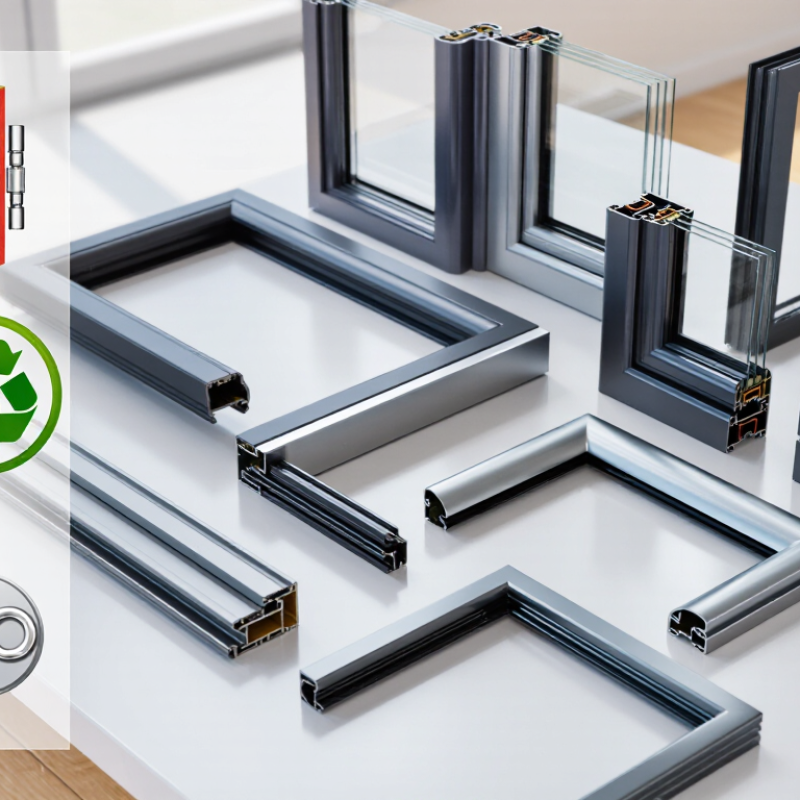
| 4 | Verify thermal-break construction | Thermally improved frames should identify the thermal barrier material, geometry and assembly method. Thermal performance calculations can follow EN ISO 10077-1. | Request section drawings showing polyamide or other thermal-barrier locations, thermal transmittance calculations and test conditions. | Confirm that the thermal barrier is continuous, mechanically locked or otherwise securely assembled, and that the declared calculation matches the actual profile system. |
| 5 | Check air permeability, watertightness and wind resistance | Product performance is commonly tested with EN 1026, EN 1027 and EN 12211, with classification under EN 12207, EN 12208 and EN 12210. | Request complete test reports identifying the tested door or window size, opening type, glazing, hardware, seals and final performance classes. | Do not accept a performance class from a different configuration without checking whether the tested size, glass, seals and hardware are equivalent to the ordered product. |
| 6 | Review product certification and conformity documentation | External windows and pedestrian doorsets may fall within the scope of EN 14351-1. Applicable regulatory marking and conformity requirements depend on the destination market and product scope. | Request the declaration of performance or other applicable conformity document, technical file references, factory production-control information and certificate scope where certification is required. | Check the legal manufacturer or responsible economic operator, product family, intended use, validity, notified or certification body details and destination-market requirements. |
| 7 | Assess glass, gasket and seal compatibility | Insulating glass units should be specified separately from the frame system. Glazing design should consider EN glazing standards applicable to the selected glass type, sealants and installation method. | Request glass specifications, spacer type, safety-glass evidence where required, gasket material data and compatibility statements for sealants and coatings. | Confirm glass thickness ranges, rebate dimensions, setting-block locations, drainage paths and resistance to ultraviolet exposure, temperature and moisture. |
| 8 | Verify hardware load capacity and corrosion resistance | Hardware should be selected according to sash or door leaf weight, cycle frequency, security requirements and exposure conditions. Corrosion testing may reference ISO 9227 where specified. | Request hardware schedules, maximum sash or leaf weights, cycle-test results, adjustment instructions and corrosion-resistance documentation. | Check hinges, locks, rollers, handles, restrictors and fixing points against the approved bill of materials. Confirm that replacement parts remain available. |
| 9 | Inspect factory production control and traceability | A documented quality-management system such as ISO 9001 can support controlled production, but it does not by itself certify the performance of every door or frame. | Request the quality certificate scope, incoming-material controls, in-process inspection plans, calibration records, nonconformance procedure and batch traceability method. | Ask for a remote or on-site production audit. Verify that profile batches, glass, hardware, coating lots and final inspection records can be traced to the shipment. |
| 10 | Confirm fire, smoke, acoustic and security claims only when required | Fire-resisting or smoke-control doorsets may require EN 16034 together with the relevant product and regulatory route. Acoustic performance may be tested under EN ISO 10140, while burglar-resistance classifications may use EN 1627. | Request reports for the exact product configuration, including dimensions, glass, hardware, seals, wall construction and installation method. | Reject generic claims such as “fireproof” or “high security” unless supported by a current report or certificate covering the ordered assembly and intended installation conditions. |