Best Sesame White Granite Types for 2026?
Sesame White Granite remains a practical choice for kitchens, bathrooms, and commercial interiors in 2026. Its pale background, pepper-like mineral grains, and relatively quiet pattern suit both modern and traditional spaces. Yet the name does not guarantee one consistent look. Quarry location, block selection, and surface finish can change the stone’s color and grain noticeably.
Industry data helps frame the choice, but it has limits. The U.S. Geological Survey’s Mineral Commodity Summaries and dimension-stone reporting provide useful context on the broader stone sector; they do not rank individual Sesame White varieties. The Natural Stone Institute’s technical guidance is also valuable when assessing installation, sealing, and care. These sources support a more careful comparison than a showroom label alone. Ask to see full slabs, not only small samples.
Small details matter. A slab with fine gray flecks may read cool under white lighting, while warmer mineral tones can soften a room with oak cabinets. Finish changes the impression, too: polished surfaces highlight contrast, while honed finishes tend to look quieter. That distinction is easy to miss.
This guide compares the best Sesame White Granite types for 2026 by appearance, durability, and likely use. It also notes where evidence is limited: natural stone varies from block to block, and no description can replace viewing the actual slab. A little caution is sensible. For the most reliable decision, confirm the stone’s origin, inspect multiple slabs, and discuss sealing requirements with a qualified fabricator before ordering.
What Defines Sesame White Granite in 2026?
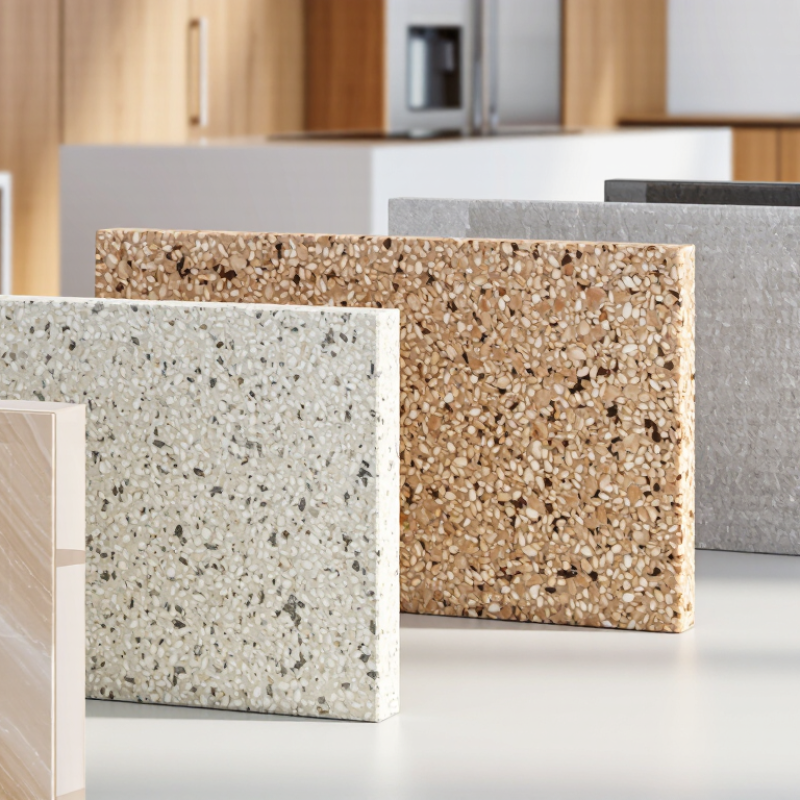
In 2026, sesame white granite is best understood as a natural stone appearance, not a perfectly uniform recipe. Its pale gray or creamy-white background is scattered with dark mineral grains, often creating a fine, peppered pattern. Some slabs look crisp and cool; others carry warmer beige flecks. That variation is part of the material’s character. It is also the reason a small sample can be misleading.
Look closely at the whole slab. Grain size, movement, and contrast may shift from one end to the other, so view the actual piece before approving a project. Under kitchen lighting, tiny dark crystals can appear sharper than they did in a showroom. A honed finish tends to soften reflections, while a polished finish brings out depth and gloss. Neither changes the stone’s natural pattern. Sesame white granite is generally a practical choice for busy surfaces, but sealing needs depend on the specific stone and its use. Ask the fabricator how the slab was tested, and follow care guidance suited to that finish. One honest caveat: “white” can read more gray than expected. Check it at home, in daylight.
Best Sesame White Granite Types for 2026? What Defines Sesame White Granite?
“Sesame white” is a commercial appearance description, not a standardized geological variety. It generally refers to light-colored granite with a speckled pattern formed by visible mineral grains. The chart compares the typical Mohs hardness of common granite-forming minerals; individual slabs vary in mineral composition and appearance.
How Sesame White Granite Types Differ in Color and Grain
Sesame White granite is not a single fixed pattern. The name usually describes light stone scattered with darker mineral grains, but appearance varies between slabs. Some pieces read as cool white or silver gray. Others carry a warmer beige cast, especially under yellow kitchen lighting. Look closely. A small sample can hide broad shifts in color across a full countertop.
Grain size changes the overall effect. Fine-grained slabs tend to look quieter from across a room, with tiny black, gray, or charcoal flecks. Coarser varieties show larger crystals and more visible contrast, sometimes with pale veins or cloudy patches. These differences are natural, not defects. Still, labels such as “fine” or “classic” are not consistent everywhere, so compare actual slabs rather than relying on a type name. Stand several feet away, then inspect the surface close up. Check it beside cabinet samples and near a window; daylight can make gray grains look cooler. A polished finish sharpens reflections, while a honed surface often softens the grain. I would not choose from a small chip alone. Even two slabs from the same bundle may differ more than expected.
Which Varieties Suit Different Interior and Exterior Uses?
Sesame white granite ranges from pale, fine-grained slabs to busier stones flecked with charcoal and warm beige. For kitchen counters, a tighter, more even pattern can keep a small room feeling calm. Its subtle speckles also disguise crumbs better than a plain white surface. Still, view a full slab in the room’s actual light; small samples can hide strong color shifts.
For bathroom vanities and shower surrounds, choose a low-variation type if you want a quieter look. Ask the fabricator about resin treatment, seam placement, and sealing needs, since performance depends on the specific stone and finish. Polished granite reflects light and wipes clean easily, but water spots may show. Honed surfaces feel softer and less glossy. They can mark more readily.
Outdoors, a coarser, more varied sesame white can suit patio steps, cladding, or barbecue counters, where dust and daily wear are visible. Request a finish rated for the intended exposure, especially on wet walking surfaces; polished stone may become slippery. Check samples after rain, too. A detail often missed: pale granite can look noticeably different beneath open sky than under a covered porch. And no sample tells the whole story.
How Durability, Finish, and Maintenance Compare
For 2026 kitchens, “sesame white” describes a look, not one uniform stone. Slabs vary in pale background, dark flecks, and mineral movement, so inspect the actual lot under bright light. ASTM C615 sets a maximum water absorption of 0.40% for granite dimension stone. That benchmark helps compare material, but it cannot predict every slab’s staining or sealing needs. Ask for the supplier’s test results.
Polished sesame white granite has a smooth, reflective surface that makes crumbs and fingerprints easy to spot. Honed finishes soften glare, while leathered finishes add texture; their tiny surface variations can hold more residue. Granite is generally hard-wearing, but acidic spills and abrasive cleaners still deserve attention. Use a pH-neutral stone cleaner, wipe spills promptly, and follow the fabricator’s sealing guidance. The Natural Stone Institute recommends testing sealer needs rather than assuming every stone requires the same schedule. Small details matter.
Tips: Put sample slabs beside your cabinets and view them in morning and evening light. Ask whether the stone was tested for absorption and stain resistance. A slightly uneven appearance may be part of the stone’s character, though it can also make matching repairs difficult. Check with the fabricator before choosing a finish for a busy cooking area.
What to Check When Selecting Sesame White Granite
Sesame white granite can look calm from a distance, then reveal dense gray, charcoal, or warm beige flecks up close. Check the full slab, not only a small showroom sample. Mineral patterns can shift across the surface, and two slabs from the same lot may not match perfectly. Look closely. Ask to view the actual slabs reserved for your project, especially if a large island or long counter will show broad uninterrupted areas.
Check the stone under lighting similar to your kitchen or bathroom. Cool showroom lights can make white tones appear bluer, while warm bulbs may bring out cream and tan. Compare a sample beside cabinet doors, flooring, and backsplash materials. Notice whether the pattern feels balanced from several steps away. A detail that seems attractive on a hand-sized sample can become visually busy across a wide counter.
Ask the fabricator about finish, edge options, seam placement, and how the stone will be sealed and maintained. A polished surface reflects more light; a honed finish can soften the look but may show marks differently. Sesame white granite is generally durable, yet natural stone can vary in porosity and mineral content. That matters. Do not assume every slab needs identical care, and get specific maintenance guidance for the selected stone. I would also check for visible fissures or filled areas before approving fabrication; small details are easy to overlook when the pattern is appealing.