Why Are Intumescent Seals Essential For Fire Doors?
Fire safety is a critical concern in both residential and commercial buildings. One vital component of fire safety is the use of Intumescent Seals On Fire Doors. These seals expand when exposed to heat, creating a barrier that prevents smoke and flames from spreading. Their role is often overshadowed by more visible features of fire doors, yet their importance cannot be overstated.
Intumescent seals on fire doors are designed for effectiveness and reliability. They can fill gaps that might otherwise allow fire or smoke to penetrate. Even a small gap can defeat the purpose of a fire door. Proper installation and maintenance of these seals are essential, yet they are frequently overlooked. This neglect may lead to a false sense of security.
Many building owners may not understand how critical intumescent seals are. Awareness can save lives and protect properties. Regular inspections ensure these essential components remain functional. Understanding the role of intumescent seals on fire doors is a step toward effective fire safety. Ignoring them may pose grave risks.
Understanding Intumescent Seals and Their Functionality
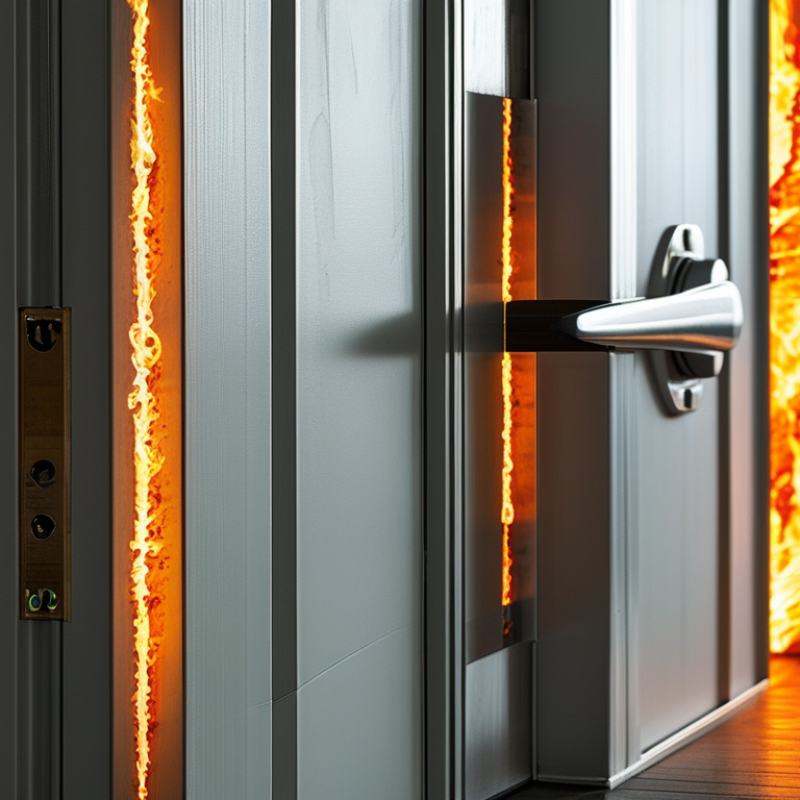
Intumescent seals play a crucial role in enhancing the safety of fire doors. These seals expand when exposed to heat, creating a barrier that limits smoke and fire from spreading. This functionality is vital. In a fire, time is precious. A reliable seal can slow the progress of flames, giving occupants more time to evacuate safely.
Understanding how these seals work is straightforward. They are typically made from materials that react to high temperatures. Upon heating, they swell up, filling gaps between the door and its frame. This expansion is automatic, requiring no manual intervention. The result is a tighter seal that significantly reduces smoke leakage. However, not all installations guarantee effectiveness. Proper fit and maintenance are essential.
Regular inspections are needed to ensure the seals remain intact. They can deteriorate over time or become damaged. A simple visual check can reveal issues that may jeopardize their performance. Fire safety begins with awareness. Recognizing the importance of intumescent seals contributes to a safer environment. Their role cannot be underestimated, as these small components hold the potential to save lives.
The Role of Intumescent Seals in Fire Doors
Intumescent seals play a crucial role in fire doors. When exposed to high temperatures, these seals expand, filling gaps and preventing the passage of smoke and flames. This capability is vital since, according to fire safety reports, smoke can travel faster than fire, contributing to a significant number of fire-related casualties. In a study conducted by the National Fire Protection Association, it was revealed that smoke inhalation accounts for nearly 50% of fire fatalities.
The effectiveness of intumescent seals is further underscored by standards set by regulatory bodies. A door fitted with these seals can provide up to 60 minutes of fire resistance. This is essential for maintaining safe evacuation paths during a fire. However, there remains a challenge; if the seals are improperly installed, their effectiveness diminishes significantly. Observations have indicated that many installations do not meet required standards, raising questions about overall safety.
Regular maintenance and inspection of fire doors and their seals are often overlooked. An estimated 30% of fire doors do not function correctly due to neglect. This glaring issue emphasizes the need for proper training and awareness among building occupants. Emphasizing education on fire safety can lead to better compliance and awareness, ultimately enhancing safety in buildings.
Why Are Intumescent Seals Essential For Fire Doors? - The Role of Intumescent Seals in Fire Doors
| Feature | Description | Importance |
| Material | Made from a special polymer that expands when exposed to heat. | Provides a physical barrier to smoke and flames. |
| Installation | Typically installed in the gaps around the fire door. | Ensures complete sealing during a fire emergency. |
| Activation Temperature | Usually activates at temperatures above 200°C (392°F). | Ensures timely response to prevent fire spread. |
| Compliance | Must meet building code regulations for fire safety. | Critical for insurance and safety certifications. |
| Lifespan | Typically lasts for the life of the fire door unless damaged. | Ensures long-term protection against fire hazards. |
Benefits of Intumescent Seals for Fire Safety
Intumescent seals play a vital role in enhancing fire door performance. These seals are designed to expand when exposed to high temperatures. This expansion fills gaps around the door, creating a barrier against smoke and flames. In a fire scenario, they can prevent the spread of fire for up to 60 minutes. According to a report by the National Fire Protection Association (NFPA), proper sealing can reduce fire spread significantly.
The benefits of intumescent seals extend beyond fire containment. They also improve energy efficiency by minimizing drafts and air leaks. A study from the U.S. Department of Energy indicates that efficient sealing can lower heating and cooling costs by about 10-20%. However, improper installation of these seals can lead to reduced effectiveness. It is essential to follow manufacturer guidelines to ensure optimal performance.
Additionally, while intumescent seals are effective, not all fire doors are created equal. The materials used and the door's construction matter. A report from the International Code Council highlights that door assembly must be tested with intumescent seals to ensure they meet fire safety standards. This emphasizes the importance of not only adding seals but also using them in conjunction with certified fire doors for true safety.
Benefits of Intumescent Seals for Fire Safety
Installation and Maintenance of Intumescent Seals
Intumescent seals play a critical role in enhancing fire door integrity. Proper installation is essential for their effectiveness. These seals expand when exposed to heat, filling gaps and preventing smoke and flames from passing through. Priority should be given to following the manufacturer’s guidelines. If not done correctly, the seals may fail, compromising fire safety.
Regular maintenance of intumescent seals is vital. Inspect them at least once a year for signs of wear or damage. Uneven surfaces or gaps can lead to decreased performance. Some may overlook this aspect, which could have dire consequences. Keeping seals tidy and functional requires diligence. A thorough cleaning can help avoid build-up that may hinder their effectiveness.
Training staff in inspecting and maintaining these seals is an often-overlooked detail. Everyone involved should understand their importance. Awareness could prevent costly mistakes that might occur due to negligence. While the installation might seem straightforward, the nuances can be easily missed. Regular training and reviews can reinforce best practices, ensuring that fire doors perform as intended.
Standards and Regulations for Intumescent Seals in Fire Doors
Intumescent seals play a crucial role in fire door safety. These seals expand when exposed to heat, filling gaps and preventing smoke and flames from spreading. Industry standards, such as BS 476 and EN 1634, outline the acceptable performance of these seals. A fire test typically requires doors with intumescent seals to withstand flames for at least 30 minutes. This is critical because an average house fire can reach temperatures of over 1,000 degrees Fahrenheit within minutes.
Installation must comply with relevant regulations to ensure effectiveness. Improper installation can undermine the seals' performance, leading to catastrophic consequences. It is essential to select seals that meet the necessary standards and are tested for specific fire ratings. Regular maintenance checks are advised, as wear and decay can diminish their protective abilities.
Consider investing in training for installation professionals. Knowledge about positioning and material compatibility is vital. Keeping detailed records of inspections can prove beneficial. Many inspections reveal that seals are often overlooked, compromising fire safety. Awareness and adherence to established codes can directly impact building safety and occupant protection.