Unlocking Security: The Impact of Energy-Efficient Entry Doors on Home Value and Safety
In today's competitive real estate market, homeowners are increasingly recognizing the dual benefits of
energy-efficient entry doors, not only for enhancing aesthetic appeal
but also for improving property value and safety. According to a report by the
National Association of Realtors, homes with upgraded entry doors can
recoup an impressive 74% of their investment at resale, making them one of the
most cost-effective home improvements. Furthermore, the
U.S. Department of Energy highlights that energy-efficient entry doors can
significantly reduce energy costs—up to 20%—by minimizing heat transfer.
This not only contributes to lower utility bills but also boosts home security, as modern doors are designed with
improved locking mechanisms and sturdier materials. As homeowners seek to optimize both their living environments
and investments, understanding the impact of energy-efficient entry doors becomes essential in unlocking enhanced
home value and safety.
Impact of Energy-Efficient Entry Doors on Home Value Enhancement
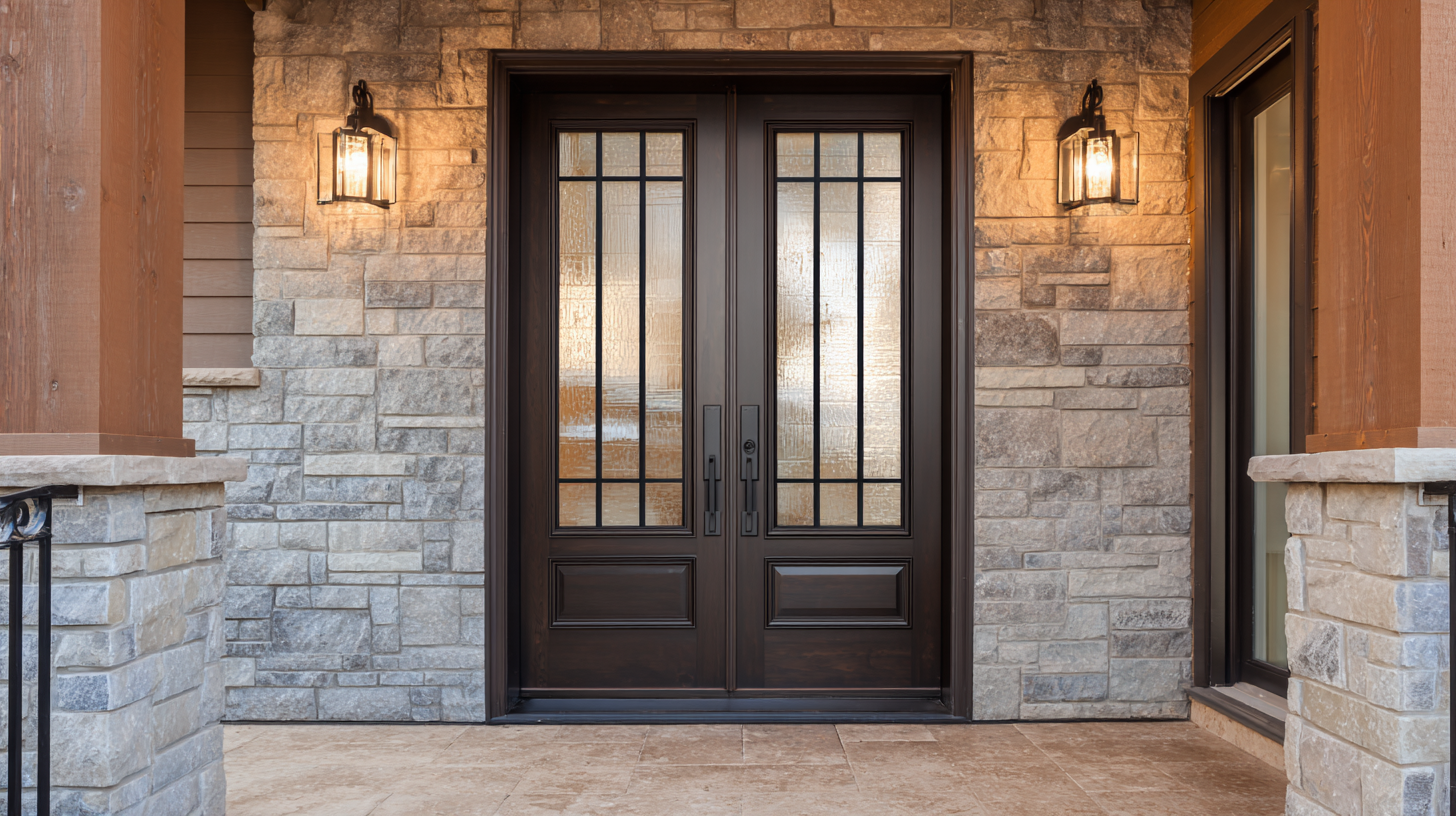 Energy-efficient entry doors have become a pivotal element in enhancing home value, with studies showing that homeowners can recoup as much as 76% of their investment upon resale. According to the 2022 Cost vs. Value Report by Remodeling Magazine, replacing an old front door with an energy-efficient model can add approximately $1,500 to the home's value on average. This improvement not only contributes to the aesthetic appeal of the residence but also signals to potential buyers a commitment to sustainability and lower utility costs.
The benefits extend beyond mere aesthetics and resale value. Energy-efficient entry doors improve the overall energy performance of a home by reducing air leaks and enhancing insulation. The U.S. Department of Energy notes that homes with well-insulated doors can save up to 20% on heating and cooling costs. Additionally, these doors often come with enhanced security features, which further bolsters the home’s appeal in the market. With the rising awareness of energy efficiency among buyers, investing in an energy-efficient entry door is a smart move that combines safety, savings, and value enhancement.
Key Security Features in Modern Energy-Efficient Entry Doors
Modern energy-efficient entry doors are designed not only to enhance energy savings but also to significantly improve home security. These doors typically feature advanced locking systems that might include multi-point locking mechanisms, which secure the door at multiple points along the frame, making it much more difficult for intruders to force entry. Additionally, many energy-efficient doors are constructed from durable materials, such as fiberglass or reinforced steel, providing an extra layer of protection against break-ins compared to traditional doors.
Another key aspect of these modern doors is their insulation properties, which contribute both to energy efficiency and security. Insulated doors reduce thermal transfer, which helps maintain a stable indoor temperature, but they also add weight and rigidity. This makes them harder to breach while also contributing to overall security by minimizing the chances of warping and weakening that can occur with less durable materials. Moreover, many of these doors come with enhanced features such as smart locks and video doorbells, allowing homeowners to monitor their entry points remotely and respond to potential security threats effectively.
Benefits of Improved Insulation and Energy Savings for Homeowners
Energy-efficient entry doors not only enhance the aesthetic appeal of a home but also contribute significantly to improved insulation and energy savings. These doors are designed to minimize heat transfer, keeping homes warm in the winter and cool in the summer. As a result, homeowners can enjoy a more comfortable living environment while reducing their reliance on heating and cooling systems. This translates into lower energy bills, allowing families to save money over time.
**Tip:** When selecting an energy-efficient door, look for materials with a high insulation value, such as fiberglass or steel with foam cores. Additionally, ensure that the door has a proper weather seal to prevent drafts.
Upgrading to an energy-efficient entry door can also increase a home's resale value. Potential buyers often prioritize energy efficiency, seeing it as a long-term investment. Therefore, installing such a door can make your property more attractive in a competitive real estate market.
**Tip:** Consider choosing doors with ENERGY STAR certification, which assures you of their efficiency and quality. This not only boosts your home's market value but also promotes environmentally friendly living.
Incorporating energy-efficient entry doors is not just a smart financial decision; it also enhances home safety. Many of these doors come with improved locking mechanisms, adding another layer of security to your home.
Tips for Choosing the Right Energy-Efficient Entry Door for Safety
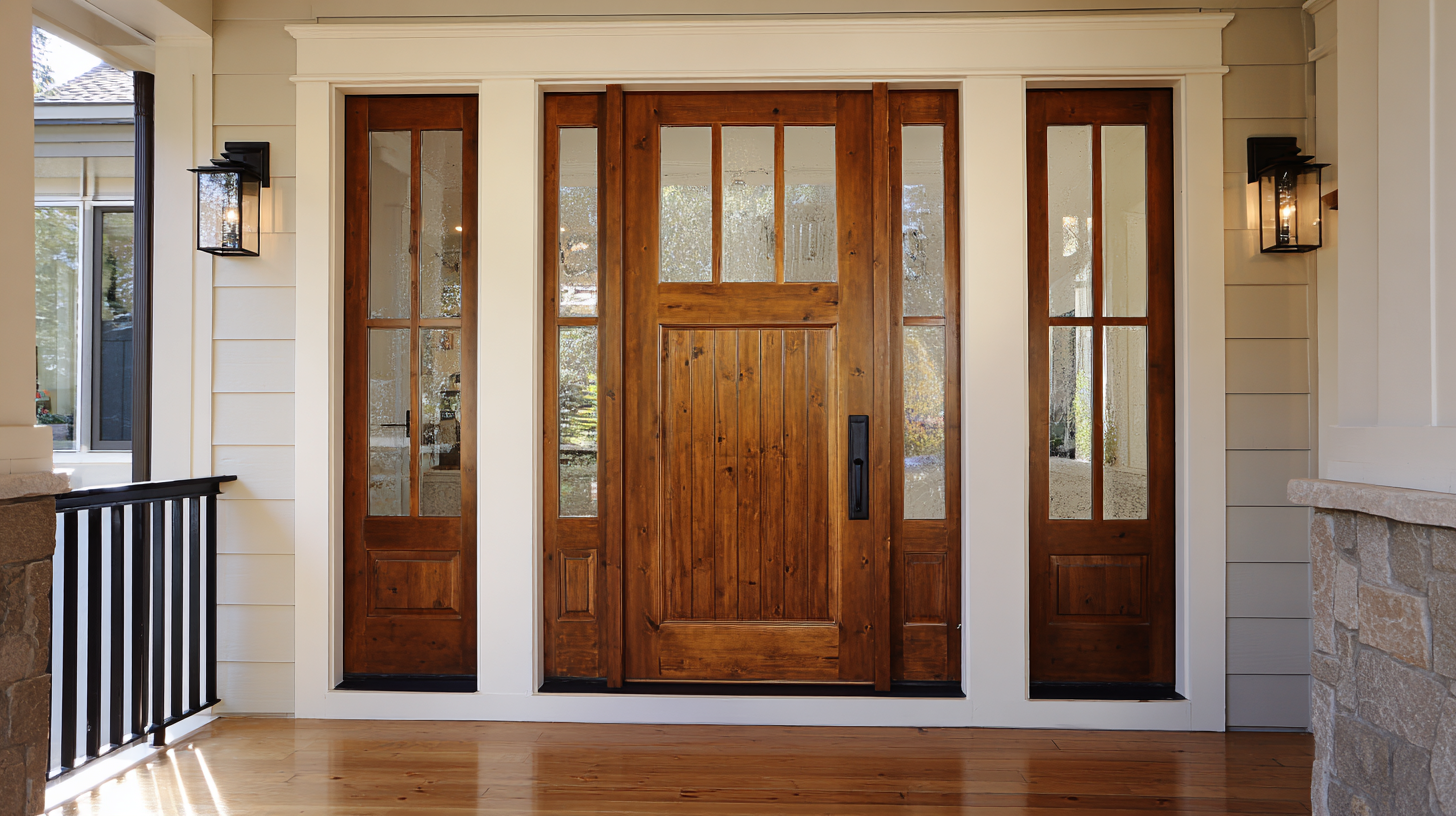
When selecting an energy-efficient entry door, safety should be a top priority alongside energy savings. First, consider the material of the door; fiberglass or steel options generally offer superior strength compared to traditional wooden doors. Fiberglass is particularly resistant to dents and scratches, while steel provides a robust barrier against break-ins. Ensure that the door is equipped with a solid core for enhanced protection, as this feature significantly improves both durability and security.
Additionally, pay attention to the door's hardware and locking mechanisms. Choose high-quality deadbolts and smart locks that offer advanced security features, such as keyless entry or alarm systems. Reinforced frames and hinges can thwart forced entry, making your home significantly safer. Finally, don’t overlook the installation process—poorly installed doors can compromise security measures. Engage a qualified professional to ensure your new energy-efficient entry door is properly fitted, thus maximizing both its protective capabilities and energy-saving potential.
Impact of Energy-Efficient Entry Doors on Home Value and Safety
The chart illustrates the impact of energy-efficient entry doors on home value and safety. It is observed that homeowners can expect a 10% increase in home value and a 15% improvement in safety after installing these doors.
Long-term Investment: Energy-Efficient Doors and Market Trends
The market for energy-efficient doors is witnessing significant growth, driven by an increasing understanding of their long-term benefits. As homeowners seek to enhance energy conservation and improve security, energy-efficient entry doors are becoming a popular choice. The expected global scale of the aluminum market, projected to reach approximately $8.8039 billion by 2025, reflects this trend. The rising focus on sustainability and efficiency in construction aligns with the growing demand for such doors, potentially influencing home values positively.
Furthermore, the North American fiberglass door market also showcases robust growth potential, with anticipated compound annual growth rates (CAGR) of around 5.3% between 2024 and 2032. This growth is propelled by rising infrastructure needs and consumer awareness of energy-efficient options. The integration of energy-efficient doors meets both aesthetic desires and practical requirements, leading to increased market traction. As homeowners prioritize investments that yield long-term benefits, the trend towards energy-efficient doors is likely to reshape market preferences and property valuations significantly in the years to come.