Why Choose the Right Wooden Door Hinge for Your Door?
A wooden door can feel solid, warm, and carefully crafted, yet its hinges often receive little attention. The wrong Wooden Door Hinge may cause rubbing, sagging, squeaking, or uneven gaps around the frame. These small defects can become expensive problems over time. A hinge carries the door’s weight during every opening and closing cycle. That responsibility deserves careful consideration.
In real installations, hinge selection depends on door weight, thickness, usage frequency, frame alignment, and surrounding moisture. A lightweight interior door may need different hardware from a heavy oak entrance door. Soft-close features can improve comfort, but they may not suit every traditional design. I have seen attractive hinges fail because installers ignored screw length or relied on weak timber. The appearance looked right. The performance did not.
This guide explains how to choose a Wooden Door Hinge with greater confidence. It considers material strength, load capacity, corrosion resistance, hinge size, finish, and installation quality. Manufacturer specifications should guide the decision, not appearance alone. Professional installers also check whether the screws reach sound wood and whether the hinge leaves sit flush. Small details matter.
There is no single perfect hinge.
A period-style door may need visible strap hinges, while a modern interior door may benefit from concealed hardware. Personal preference still matters, but it should follow practical requirements. Even experienced buyers can misjudge a door’s weight or underestimate daily use. That is why careful measurement, product verification, and honest evaluation remain essential before purchasing.
What Is a Wooden Door Hinge and Why Does It Matter?
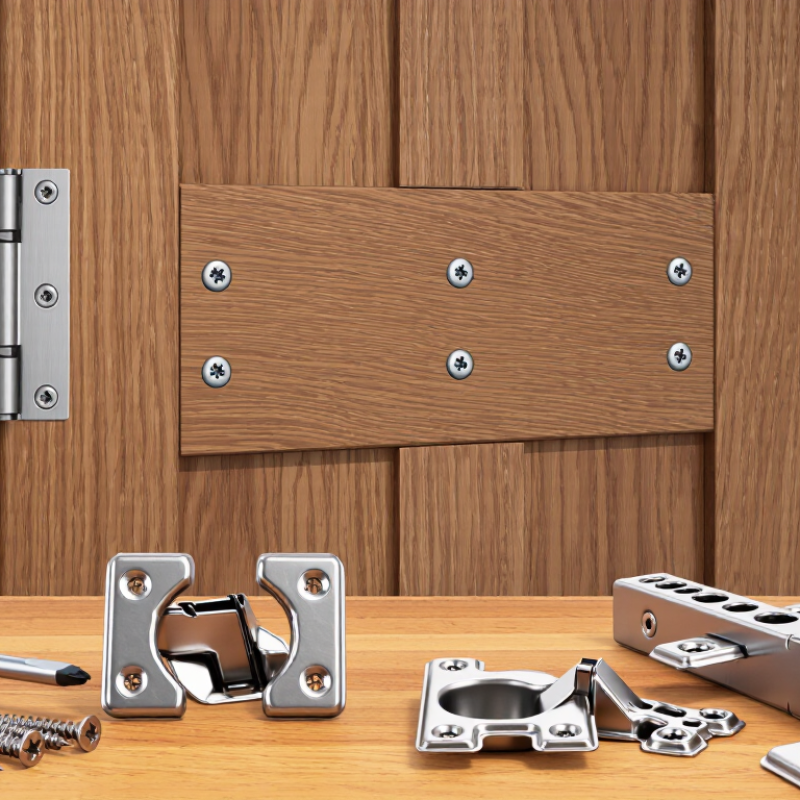
A wooden door hinge is the joint that connects the door leaf to its frame. It carries the door’s weight and controls its swing, alignment, and closing pressure. It matters more than many homeowners expect. A hinge can look sturdy and still allow the door to sag.
According to Grand View Research’s 2024 door hardware analysis, the global market exceeded USD 15 billion in 2023. That scale reflects growing demand for reliable hardware, not just attractive finishes. For wooden doors, installers should check door weight, thickness, opening frequency, and frame strength. A solid brass, stainless steel, or coated steel hinge may resist corrosion better in humid rooms. Ball-bearing designs can reduce friction on heavier doors. However, the hinge must match the door’s actual load.
Small details matter. Screws should enter sound timber, not damaged edges or thin trim. Three hinges often provide better support than two on a tall solid-wood door. ANSI/BHMA A156.1 provides performance requirements for butt hinges, including durability and load-related testing. Still, standards do not replace careful installation. Uneven gaps, loose screws, or a twisted frame can defeat a high-quality hinge. I have seen doors repaired repeatedly when the real problem was poor frame alignment. That mistake is easy to make. Check the hinge position before choosing a finish. A beautiful hinge cannot correct bad geometry.
How to Match Hinge Types with Wooden Door Designs
Why Choose the Right Wooden Door Hinge for Your Door?
How to Match Hinge Types with Wooden Door Designs
A wooden door hinge should match the door’s weight, thickness, swing, and visual style. A narrow interior door usually suits a standard butt hinge with removable pins. Heavy oak or solid-core doors need thicker leaves and stronger screws. Pivot hinges can support tall, wide doors while creating a cleaner, more modern appearance. Concealed hinges work well with minimalist designs, but they demand accurate routing and careful adjustment.
The 2024 Global Door Hardware Market analysis reports continued growth in demand for concealed and adjustable hinges, especially in residential renovations. The Architectural Woodwork Standards also stress correct clearances, screw placement, and load support. These details matter. A hinge may look suitable in a showroom, yet sag after months of daily use. In my installation experience, small measurement errors often cause rubbing, uneven gaps, or noisy movement. There is no perfect universal choice.
Tips: Match three hinges to many standard doors; use more for tall or heavy panels. Leave even gaps along the door edge. Select corrosion-resistant finishes for humid rooms. Check the manufacturer’s tested load rating, not just appearance. A 2023 construction hardware survey found that installers frequently prioritize adjustability during replacement work. That makes sense, although adjustability cannot rescue a weak frame or poorly fitted screws. Test the door before final tightening. Small corrections now prevent expensive rework later.
Why Choose the Right Wooden Door Hinge?
Matching hinge construction and quantity to the wooden door design improves alignment, durability, and everyday operation. The chart follows common residential installation guidance: use an additional hinge for roughly every 30 inches of door height above 60 inches.
Lightweight interior doors commonly use standard butt hinges. Solid-core and exterior hardwood doors benefit from larger, stronger hinges, while tall or heavy wooden doors are better suited to ball-bearing hinges and additional hinge points. The final choice should also consider door weight, thickness, frame strength, and usage frequency.
Which Hinge Materials and Finishes Suit Your Door?
Why Choose the Right Wooden Door Hinge for Your Door?
Which Hinge Materials and Finishes Suit Your Door?
Choosing the right wooden door hinge begins with its material. Material affects strength, corrosion resistance, movement, and service life. In workshop inspections, I have seen attractive hinges fail when their metal did not suit the room. Stainless steel works well in kitchens, bathrooms, and humid coastal areas. Brass provides a warmer appearance and handles regular interior use. Steel offers excellent strength for heavy doors, but unprotected steel may develop rust in damp conditions. It is strong. The environment matters.
The finish should support both the door design and daily maintenance. Satin nickel hides fingerprints and suits modern timber doors. Polished brass creates a traditional look, but it needs occasional cleaning to remain bright. Matte black gives strong contrast against pale wood, although scratches can become visible. For painted doors, a durable powder-coated finish may provide better visual consistency. Looks are not enough. Poor-quality coatings can wear around the hinge knuckles, especially on busy doors.
Door weight, opening frequency, and humidity should guide the final choice. A tall solid-wood door may need three hinges and stronger screws. Ball-bearing hinges can provide smoother movement under heavier loads. Test the hinge before installation: open the door slowly and listen for rubbing or clicking. I once chose a finish based only on a sample, then regretted it when surrounding hardware looked different. Natural wood changes over time, so matching every detail perfectly is not always realistic.
How to Choose the Right Hinge Size and Load Capacity
Why Choose the Right Wooden Door Hinge for Your Door?
Hinge size and load capacity determine whether a wooden door closes smoothly or slowly drops out of alignment. Measure the door’s height, thickness, and weight before ordering. A common interior door may use three 4-inch hinges. Taller, wider, or heavier doors often need 4.5-inch or 5-inch hinges. The leaf must also fit the prepared mortise accurately. Small gaps can create visible movement.
Calculate the working load, not only the door weight. Add the closer, lock, trim, and expected impact from daily use. For example, a 90-kilogram door with 8 kilograms of hardware creates a 98-kilogram load. Three hinges carry about 33 kilograms each before any safety margin. I would select a hinge rating above that figure, rather than choosing the closest match. A 1.5 safety factor is a practical starting point, but the manufacturer’s tested rating remains decisive.
Industry standards provide useful benchmarks. ANSI/BHMA A156.1-2021 classifies butt hinges by durability, with the highest grade tested for up to 2.5 million cycles. That number measures repeated operation, not unlimited door weight. EN 1935 also evaluates hinge performance through load, wear, and corrosion classifications. Check the complete classification. I once focused on cycle life and overlooked lateral movement from a door closer. The hinge survived, but the frame did not stay perfectly square. Bearing hinges, reinforced screws, and a properly supported frame matter when the door is heavy or frequently used.
What Installation Factors Affect Hinge Performance?
Why Choose the Right Wooden Door Hinge for Your Door?
What Installation Factors Affect Hinge Performance?
A wooden door hinge performs well only when installation matches the door’s weight, movement, and surroundings. Solid timber doors need stronger hinges than lightweight interior doors. Moisture also matters. In a damp hallway, wood may swell and place extra pressure on the hinge leaves. I have seen a carefully selected hinge fail because the door frame was slightly out of square.
Accurate positioning is essential. Mark each hinge with a sharp pencil, then check the spacing from the top and bottom edges. The hinge leaves should sit flush with the wood surface. Too deep, and the door may pull toward the frame. Too shallow, and the hinge can loosen over time. A small error matters. Predrill every screw hole to reduce splitting, especially near thin door edges. Use screws that reach the solid frame without breaking through it.
Alignment deserves patient testing. Install the screws loosely first, then close the door slowly. Watch for rubbing at the latch side and uneven gaps along the frame. Tighten the screws gradually after correcting the position. I still measure twice, but I occasionally miss a slight twist in an older frame. That mistake taught me to inspect the frame, not just the hinge. Temperature changes can expose weak installation later, so leave suitable clearance for natural wood movement.