Top 10 Factors Influencing Door Installation Cost How Much Should You Expect?
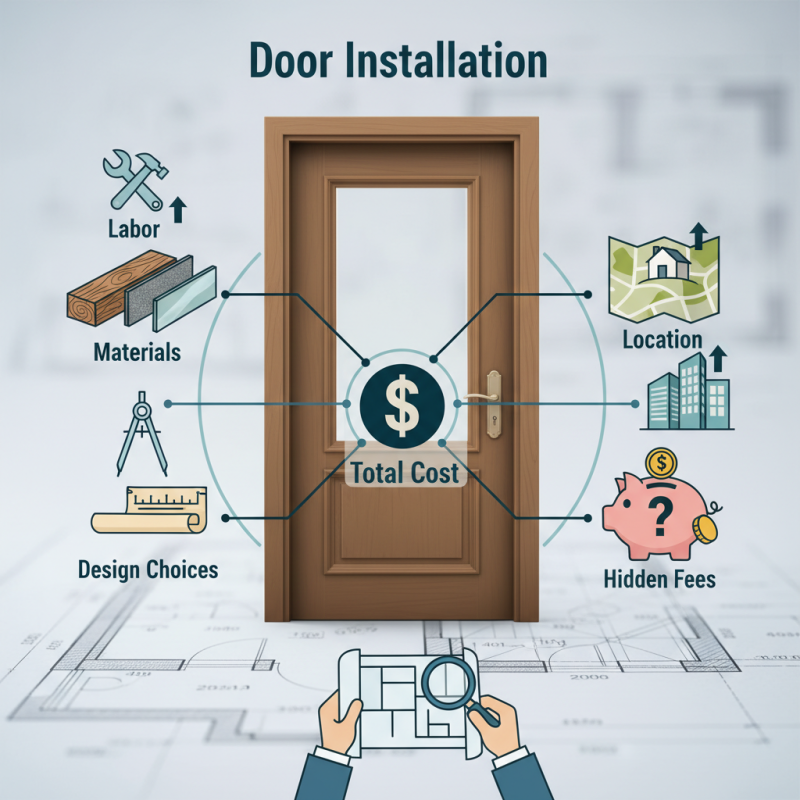
Understanding door installation cost is crucial for homeowners. Several factors directly influence this expense. Materials, labor, and design choices come into play.
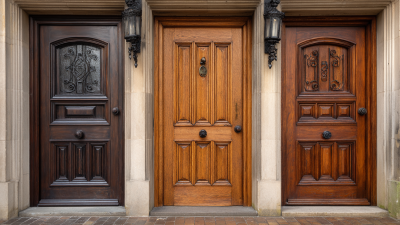
For instance, the type of door significantly impacts the cost. Wooden doors may seem appealing, but their price can be high. On the other hand, fiberglass doors offer durability at a more affordable rate.
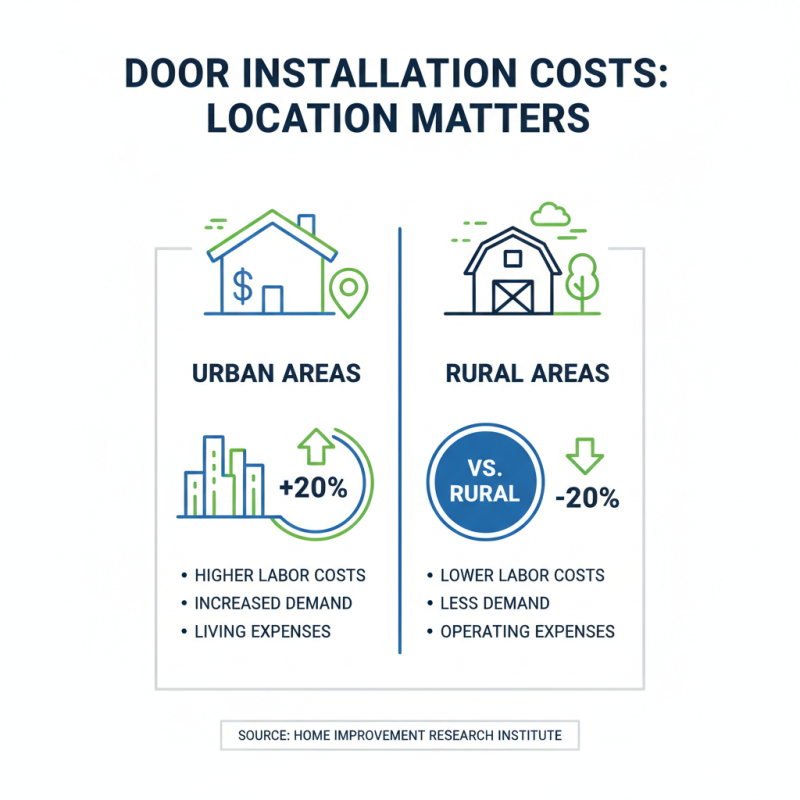
Location also matters. In urban areas, labor costs soar. Sometimes, hidden fees arise, complicating the total cost. Homeowners should consider all variables. Preparation is key to avoiding surprises. Overall, being informed can help you budget wisely for your door installation cost.
Factors Affecting Door Installation Cost: An Overview
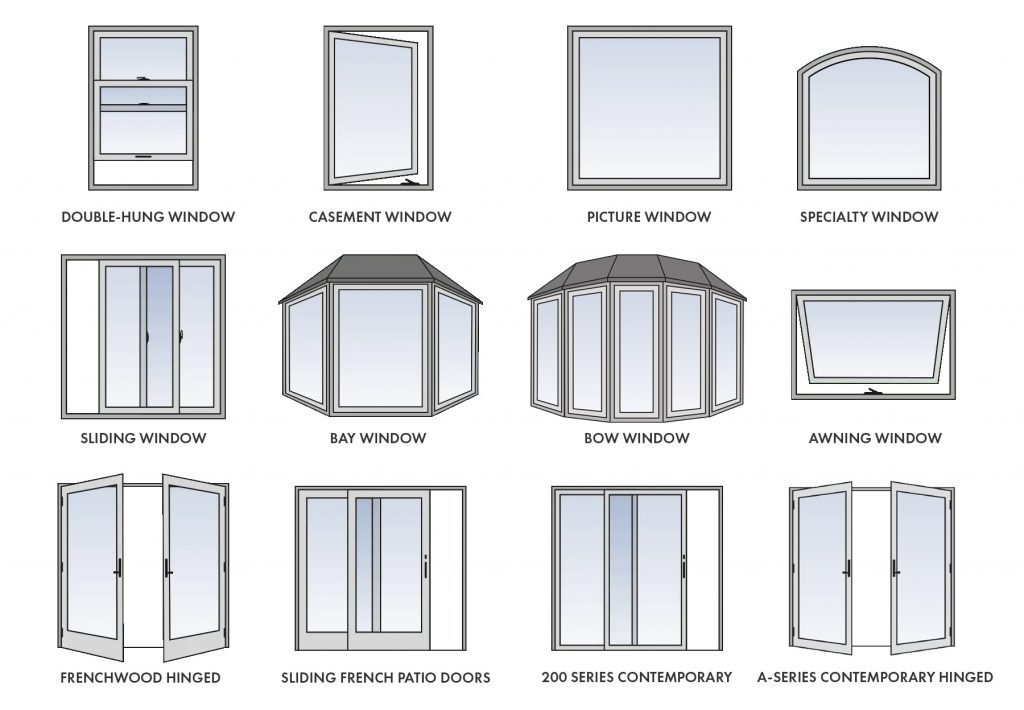
When considering door installation costs, several factors come into play. The type of door selected heavily influences the overall expense. Exterior doors often require sturdier materials, increasing costs. Meanwhile, interior doors usually cost less but may still vary, depending on the style.
Another critical factor is the installation complexity. Simple jobs may take only a few hours, while intricate setups could last all day. Hiring a professional adds to the cost but may save time and ensure proper installation. Location also impacts expenses; urban areas often see higher pricing than rural settings.
Don’t overlook the condition of the door frame and surrounding walls. If repairs are necessary, expenses can quickly add up. Ignoring small issues could lead to bigger problems later. Ultimately, reflecting on these factors can help gauge the true cost of door installation and possibly uncover hidden fees. Balancing quality and budget is essential but can be challenging.
Material Choice: How Different Door Types Impact Pricing
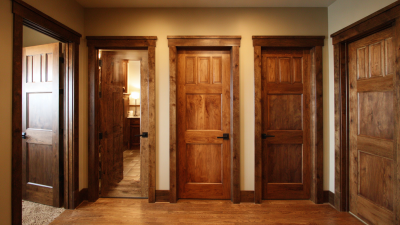
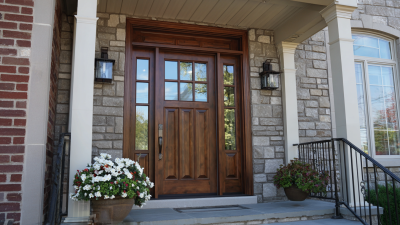
When choosing a door, material can greatly influence installation costs. For instance, wooden doors are often favored for their aesthetic value. However, they can cost anywhere from $200 to $1,000, depending on the type of wood. According to industry reports, solid wood doors have a higher upfront cost due to their durability and insulation properties.
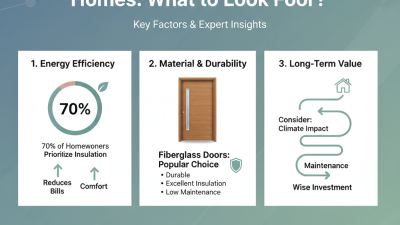
On the other hand, steel doors are more affordable, typically ranging from $150 to $500. They offer strong security but lack the visual appeal of wood. Some argue that the cost savings may not justify the aesthetic limitations. Fiberglass doors present another option. They balance durability and cost, typically priced between $300 and $700. They can mimic the look of wood while offering better resistance to weather.
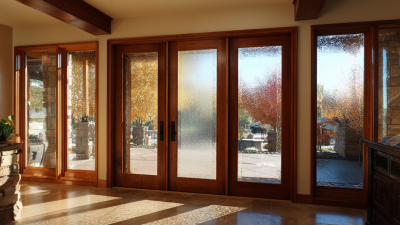
Glass doors can add elegance, but installation can be pricier. Costs often exceed $1,000, especially for custom designs. It's essential to consider how factors like energy efficiency and maintenance will play a role in long-term costs. Choosing the right material involves careful thought, weighing upfront expenses against future benefits.
Top 10 Factors Influencing Door Installation Cost
| Door Type |
Average Cost ($) |
Installation Cost ($) |
Material |
Durability Rating |
| Wooden Door |
800 |
200 |
Solid Wood |
High |
| Fiberglass Door |
600 |
180 |
Fiberglass |
Medium |
| Steel Door |
500 |
150 |
Steel |
Very High |
| Aluminum Door |
450 |
120 |
Aluminum |
Medium |
| Vinyl Door |
400 |
100 |
Vinyl |
Low |
| Glass Door |
900 |
250 |
Glass |
Medium |
| Composite Door |
700 |
220 |
Composite |
High |
| French Door |
850 |
230 |
Wood/Glass |
Medium |
| Sliding Door |
750 |
200 |
Wood/Glass |
Medium |
| Accordion Door |
500 |
150 |
Vinyl/Wood |
Low |
Labor Costs: Understanding Installation Charges and Rates
Labor costs play a significant role in the overall expense of door installation. According to industry reports, installation charges can vary widely. On average, homeowners should expect to pay between $50 to $100 per hour for labor. However, this rate may fluctuate based on geographical location and the complexity of the job.
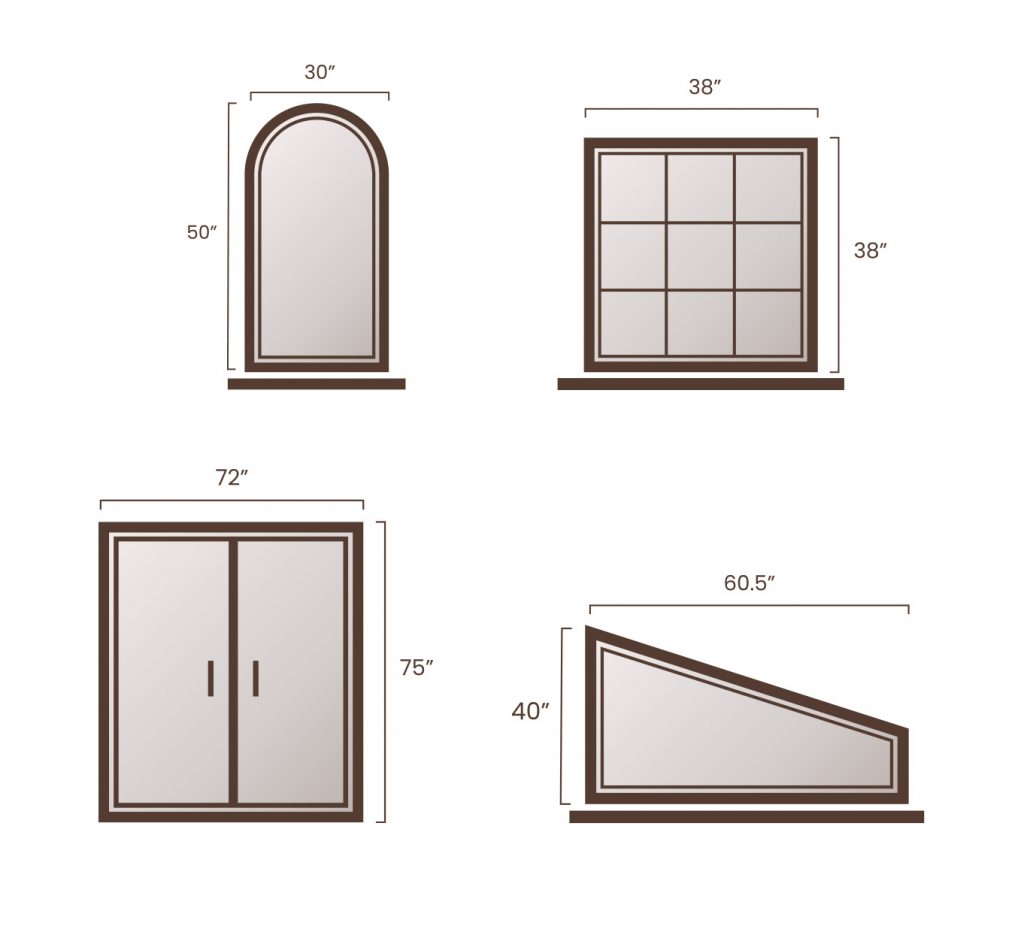
Installation teams might charge a flat fee instead of hourly rates. This fee often ranges from $200 to $600. Complex installations, like custom doors or those requiring additional framing, can push costs higher. Local market conditions also influence these prices. In some areas, labor costs can constitute as much as 70% of the total installation expense.
Understanding the nuances of installation rates can be challenging. Not all installers provide a detailed breakdown of their pricing. Some might not include fees for removal of old doors or any necessary repairs. Homeowners should always ask for itemized quotes. This transparency helps in budgeting and avoiding surprises later on. Communication with contractors is vital. Clear expectations can lead to a smoother installation experience.
Top 10 Factors Influencing Door Installation Cost
Customization and Accessories: Adding Features That Increase Expenses
When considering door installation, customization and accessories can significantly impact costs. The choice of materials, styles, and added features can quickly escalate the budget. A standard door might cost around $200, but a customized model with premium materials could reach up to $1,500. According to recent industry reports, nearly 40% of homeowners opt for some form of customization, which leads to higher expenses.
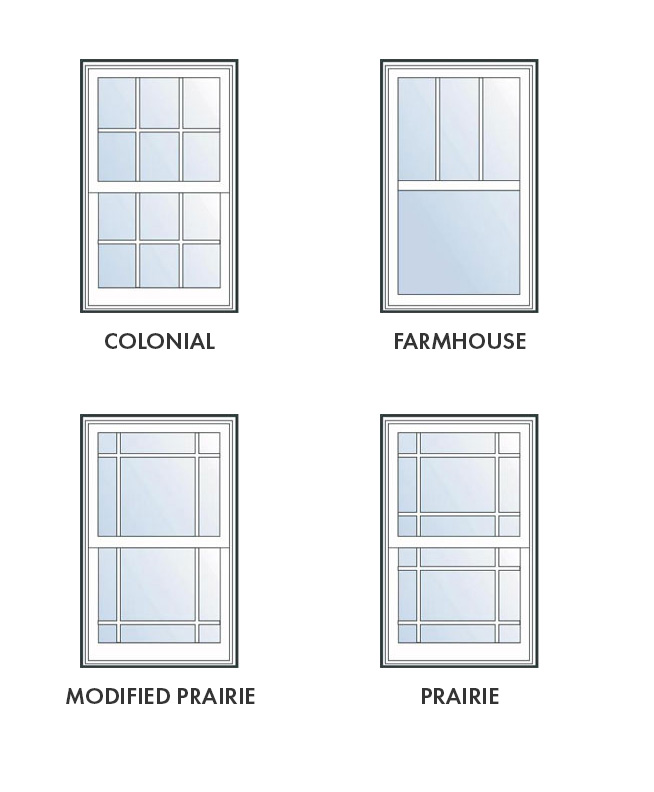
Adding features like decorative glass inserts, smart locks, or energy-efficient designs also affects the price. For instance, a smart lock can add an additional $200 to $500 to your overall costs. Homeowners should be mindful of how each accessory contributes to the total. Tips for managing expenses include prioritizing essential features over luxury ones. Consider alternatives such as pre-hung doors or tempered glass that fit within your budget.
Customization does have its perks, including increased property value. But it’s crucial to reflect on your specific needs and usage. Ask yourself if you truly need that extra feature or if you can achieve the look with simpler elements. Balancing aesthetics with functionality will lead to more satisfying choices without overspending.
Location and Accessibility: Regional Variations in Installation Costs
When considering door installation, location and accessibility play a crucial role in cost variations. Installation costs can significantly differ by region. For instance, urban areas often have higher labor costs due to demand and living expenses. A report from the Home Improvement Research Institute states that metropolitan areas may see installation prices increase by 20% compared to rural settings.
Accessibility also impacts costs. If the installation site is difficult to reach, labor may need more time and effort. This often leads to higher fees. According to the National Association of Home Builders, homeowners may add as much as 15% to their installation bill if the area is cumbersome.
Tip: Always assess your installation site beforehand. Evaluate the ease of access. This simple check could save you money in the long run.
Additionally, understand your local market. Research average installation costs in your area. Prices can vary widely. Remember that sometimes, the lowest quote doesn't guarantee the best quality.
Tip: Get multiple quotes and compare them. Certified professionals can often provide insights on hidden costs based on local trends.