Choosing the right bm bags is a practical business decision, not just a design exercise. The bag must suit the product, carry its expected weight, and fit the way customers shop. A paper bag holding a takeaway lunch faces different demands from a reusable tote carrying books or retail goods. Small details matter.
Industry data can help frame the choice. The OECD’s Global Plastics Outlook (2022) reports that the world generated 353 million tonnes of plastic waste in 2019, with packaging accounting for about 40%. Smithers’ The Future of Global Packaging to 2028 also projects continued growth in packaging demand. These reports do not identify one ideal bag for every business. They do show why material use, durability, and end-of-life options deserve careful attention.
For a useful comparison, assess the bag’s dimensions, material, handle strength, print quality, minimum order quantity, and delivered cost. Ask suppliers for samples, then test them with the actual products. Check how the handles feel when loaded, whether the base stays flat, and how branding appears under store lighting. That adds up. A low unit price may look attractive, yet weak construction can lead to damaged goods or repeat orders. The right choice depends on your customers, budget, and daily operations—and some trade-offs will remain. The spreadsheet cannot predict every customer’s hand. Revisit the decision after real-world use, and refine your specifications when the evidence points to a better fit.
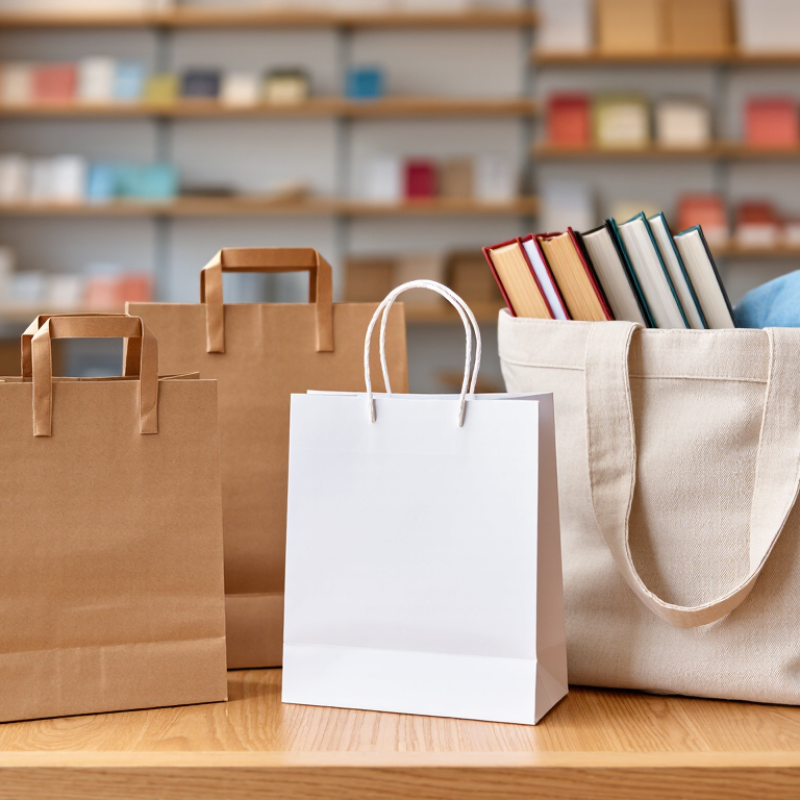
Before comparing BM bags, define the job each bag must do. Will staff carry documents, samples, tools, or retail items? Start with daily tasks. Note the usual load, how far it travels, and whether bags stay indoors or face rain and rough handling. A bag for short client visits may need slim compartments and a secure closure. A delivery team may need stronger handles, a wider opening, and easy-to-clean fabric. Measure typical items, including folders and containers. Guessing often leads to bags that look suitable but waste space.
Tips: Measure before ordering. Check handle comfort with a realistic load. Test a sample, if possible, and inspect seams, zippers, and stitching. Small details matter.
Then consider who will use the bags and how often. Employees may carry them for hours, so weight and strap width affect comfort. If bags are shared, choose a simple layout that different users can understand. For frequent use, durability may matter more than a low upfront price; for occasional events, a lighter option could be enough. Ask a few users what frustrates them about current bags. Their answers may challenge your assumptions. One limitation: sample testing cannot fully predict months of wear, so review early feedback after distribution and adjust the next order.

Choose the bag type around how customers will use it. Flat bags suit documents or slim products; gusseted bags give boxed goods room to sit upright. Totes work for heavier purchases and repeat use, while drawstring styles fit lightweight kits. Measure the product at its widest point, then allow space for handles, closures, and packing materials. A bag that fits on paper may still be awkward when filled. Test a real sample.
Size affects both shipping and shelf presentation. Oversized bags waste material; tight ones strain seams. Compare paper, woven or nonwoven polypropylene, and recycled polyester by load, moisture exposure, print needs, and reuse expectations. The Flexible Packaging Association’s 2023 State of the Flexible Packaging Industry report estimated U.S. flexible-packaging sales at $42.9 billion in 2022, showing the scale of this packaging category—not that one material is right for every order. The OECD’s 2022 Global Plastics Outlook reports that packaging made up 40% of plastic waste generated in 2019. That broader figure makes material choices worth examining, but it does not settle the trade-off. Check supplier specifications, request samples, and test filled bags through normal handling. Our first size estimate is often imperfect; revise it after the trial.
A BM bag can carry your identity before a customer reads a label. Start with the audience and setting. A sturdy tote for daily errands may need a different look from a lightweight event bag. Choose colors that suit your existing materials, then check how they appear on the actual fabric. Screens can make shades look brighter than they are.
Keep the logo clear at the bag’s real size. A detailed design may turn muddy when printed small, especially on textured material. Ask about print methods, color limits, and logo placement before approving production. Small details matter. Request a physical sample when possible, and inspect stitching, handles, and color in natural light. Ask for a sample. It may take extra time, but a digital mockup cannot show every texture or finish.
Customization can include dimensions, pockets, closures, and handle length, but each addition may affect cost and lead time. Choose features customers will actually use. A large logo may seem memorable, yet it can make the bag feel more like an advertisement than a useful item. Keep it practical. Review the artwork, measurements, and material notes together; mismatched expectations are easy to miss when each detail is checked alone. A small first order can reveal what needs adjusting.
| Bag Type | Common Material | Typical Customization Options | Branding Strengths | Best Suited For | Practical Considerations |
|---|---|---|---|---|---|
| Paper shopping bag | Kraft paper or coated paper; handles may be twisted paper, flat paper, or cord. | One- or two-color printing, full-color printing on suitable surfaces, handle and size selection, and optional lamination. | Offers a broad, flat area for logos and promotional messages; works well for retail presentation. | Retail stores, boutiques, takeaway orders, and event gift bags. | Paper can weaken when wet. Confirm the paper weight, handle attachment, and intended load before ordering. Recyclability depends on coatings, adhesives, and local collection rules. |
| Nonwoven polypropylene tote | Nonwoven polypropylene (PP) fabric. | Screen printing or heat-transfer printing; multiple colors, bag sizes, handle lengths, and gusset options may be available. | Large printable panels make logos easy to see; gussets can provide extra carrying space. | Trade shows, conferences, promotional giveaways, and repeated shopping trips. | Nonwoven PP is a plastic material, not fabric made from woven threads. Check stitching, handle reinforcement, and the supplier’s care and reuse guidance. |
| Cotton tote | Woven cotton canvas or lighter-weight cotton fabric. | Screen printing, heat transfer, embroidery on suitable constructions, and choices of fabric weight, color, and handle length. | Its fabric texture and reusable format can support a more substantial, everyday-use presentation. | Staff kits, customer gifts, bookstores, and businesses seeking a reusable bag option. | Fabric weight and construction affect carrying performance. Cotton bags may need washing; follow care instructions because washing can affect printed designs and fabric dimensions. |
| Woven polypropylene bag | Woven polypropylene (PP) strips, sometimes with a laminated surface. | Printed panels, laminated full-color graphics, custom dimensions, and different handle or closure styles, depending on construction. | A larger surface can accommodate detailed artwork, especially on laminated versions. | Bulk shopping, grocery use, storage, and applications that need a structured, reusable bag. | Compare the stated load rating and handle construction. Lamination can affect end-of-life processing, so check local recycling guidance rather than assuming the bag is recyclable. |
| Polyester drawstring bag | Woven or knitted polyester fabric. | Screen printing, heat transfer, color selection, panel printing, and choices of cord and bag dimensions. | The front panel provides a visible area for a simple logo or campaign graphic; lightweight for distribution. | Sports events, school activities, travel kits, and conference giveaways. | Capacity and durability vary with fabric weight, seams, and cord construction. Confirm whether the bag is intended for lightweight items or heavier contents. |
Selection tip: Match the bag to its expected use, then compare print area, artwork colors, material, handle construction, and order quantity. Request a pre-production sample when appearance, color matching, or carrying performance is important.
Choosing BM bags starts with a written specification: dimensions, fabric weight, handle length, stitching, print tolerance, and intended load. Request samples made to that specification, then check seams, corners, and handle attachment under realistic use. Cheap is not cheap. A low unit price may exclude setup fees, packaging, inspection, or freight. Compare landed cost per usable bag, not just the quoted price. UNCTAD’s Review of Maritime Transport 2024 reports that ships carry over 80% of world trade by volume. Shipping delays can therefore affect replenishment plans; include lead-time ranges and reorder points in your cost review.
Supplier reliability needs evidence, not promises. Ask for production capacity, material specifications, defect records, and a named contact for urgent issues. The World Bank’s 2023 Logistics Performance Index benchmarks 139 countries and assesses factors including tracking and timeliness. Use those measures as context, but also request shipment references and confirm how the supplier reports delays. A small pilot order can reveal inconsistent stitching or color variation before a larger commitment. I would not treat one successful sample as proof of stable production. Keep written approval samples, agreed tolerances, and inspection results for each order. A little extra time here may prevent costly surprises later.
Before choosing BM bags, turn the delivery date into a written order requirement. Confirm the quantity, bag dimensions, material, print details, packaging method, and destination. Ask the supplier to state sample approval, production time, dispatch date, and estimated transit time separately. “Ready to ship” can mean different things.
The 2024 E-Commerce Trends Report, based on 12,000 online shoppers across 24 markets, found that 81% may abandon a purchase when delivery options do not meet expectations. That finding concerns shoppers, not wholesale buyers, but it shows why missed dates matter. For a promotion or store opening, request a dated production schedule and tracking details. Check whether quoted delivery is a range or a guaranteed date, and ask who updates you if production slips.
Leave room for variation. A sample may not reveal every print or packing issue, and peak-season freight can shift. Ask about minimum order quantities, split deliveries, and the cost of faster shipping before approving the order. Keep the final specifications and timeline in writing. Forecasts still miss sometimes. A small buffer may save a rushed reorder.

5960 Odana Road
Madison, WI 53719
T: 608.442.0032
1001 Frank H Street
Waunakee, WI 53597
T: 608-268-7140