China Top Pella Entry Doors Manufacturers and Suppliers
China’s door market includes manufacturers and suppliers serving custom residential projects, export orders, and replacement needs. Buyers searching for pella entry doors should clarify what they mean by the term. Pella is a recognized brand, while independent factories may offer comparable styles or made-to-order products. Similar appearance does not prove brand affiliation or identical performance.
A reliable supplier review starts with practical details. Ask for frame materials, glass specifications, hardware options, finish samples, and documented test results. Confirm dimensions, opening direction, packaging, lead times, and after-sales support before placing an order. Details matter. A clear quotation should identify what is included and what costs extra. Request factory records or product certifications, then check whether they apply to the exact model being offered. Catalog photos can look convincing; they are not enough. Samples and written specifications help reveal differences in color, sealing, and construction. Communication also matters, especially when custom sizes or export packaging are involved. Some suppliers may be strong in production but less consistent in documentation, so buyers should verify claims rather than rely on polished presentations. This guide introduces China-based manufacturers and suppliers, along with useful questions for comparing product fit, quality controls, and service. Careful checks reduce surprises, though no supplier review can remove every risk.
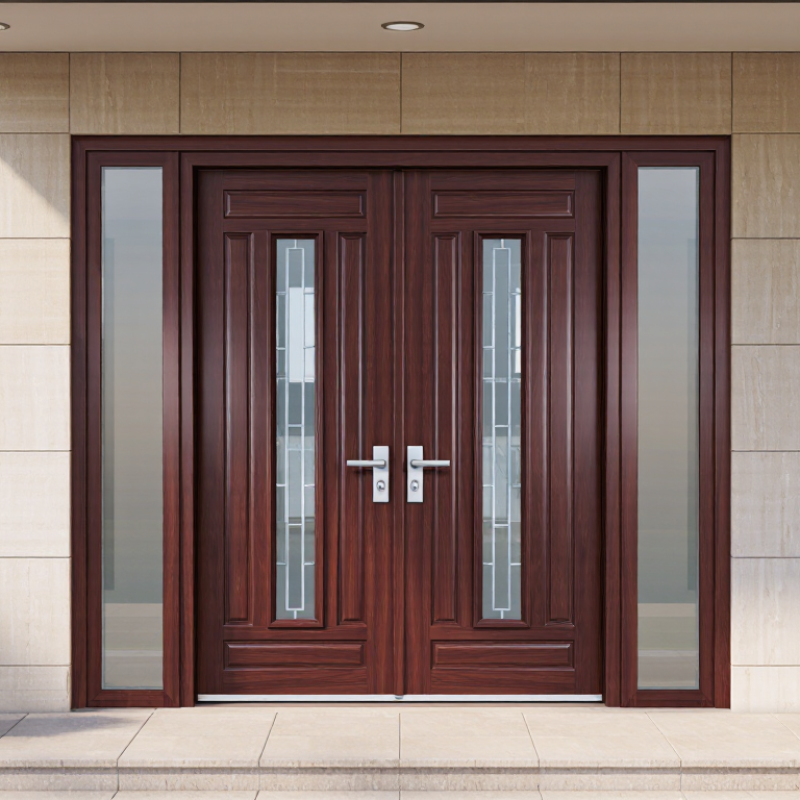
Overview of Pella Entry Doors and Their Presence in China
Premium entry doors in China are evaluated for more than appearance. Buyers often compare frame materials, insulation, glazing, security hardware, and finish durability. China’s varied climate matters: a coastal project may face humidity and salt air, while northern locations need careful attention to drafts and heat loss. A narrow showroom display can look convincing, but installed performance depends on the full door assembly and correct fitting.
Availability may involve imported systems, locally sourced components, or products made for regional specifications. These routes can differ in lead time, replacement-part access, and after-sales support. Ask suppliers where the frame and hardware are produced, which tests support their performance claims, and whether installation is included. Request written details, not just a catalog. Small omissions can become costly.
Tips: Measure the structural opening before ordering, and confirm the door’s swing, threshold height, and wall depth. Check finish samples in daylight. Keep product specifications and installation records together; they help resolve fit or warranty questions later.
Entry Doors in China: Product Overview and Market Presence
An overview of common entry-door types, specification considerations, and sourcing factors. Product details vary by model, supplier, and project.
| Topic | Overview | What to Check |
|---|---|---|
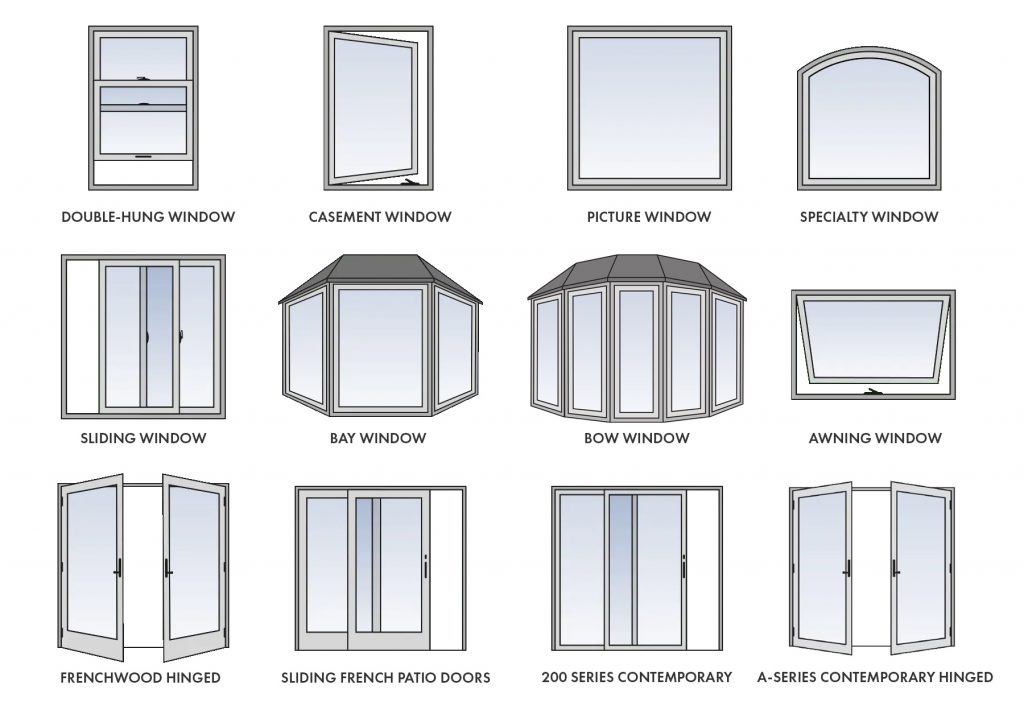
| Common door types | Residential entry doors are available in configurations such as hinged single doors, double doors, and doors with sidelights or glazed panels. | Confirm opening direction, frame dimensions, threshold details, and whether glazing is included. |
| Door materials | Available constructions commonly include wood, steel, aluminium, and composite systems. Material choice affects appearance, maintenance, weight, and performance. | Review the complete assembly, including the frame, core, finish, seals, and hardware—not just the visible door panel. |
| Thermal performance | Insulation performance depends on the door construction, glazing, frame, and installation. Performance specifications are product-specific. | Request documented thermal-performance values for the complete door assembly and check that they suit the project climate and building requirements. |
| Weather resistance | Weather performance relies on the door, frame, seals, threshold, drainage details, and quality of installation working together. | Check test documentation for air infiltration, water penetration, and wind resistance where these are relevant to the project. |
| Security features | Security depends on multiple components, including the door construction, lock, cylinder, hinges, frame, and installation. | For products marketed as anti-theft security doors in China, verify applicable requirements under GB 17565-2022. This standard does not apply automatically to every entry door. |
| Glazing and hardware | Glazing, multipoint locks, handles, hinges, and other fittings may be optional or specified for a particular configuration. | Confirm glass type, hardware compatibility, finish, handing, and replacement-part availability before ordering. |
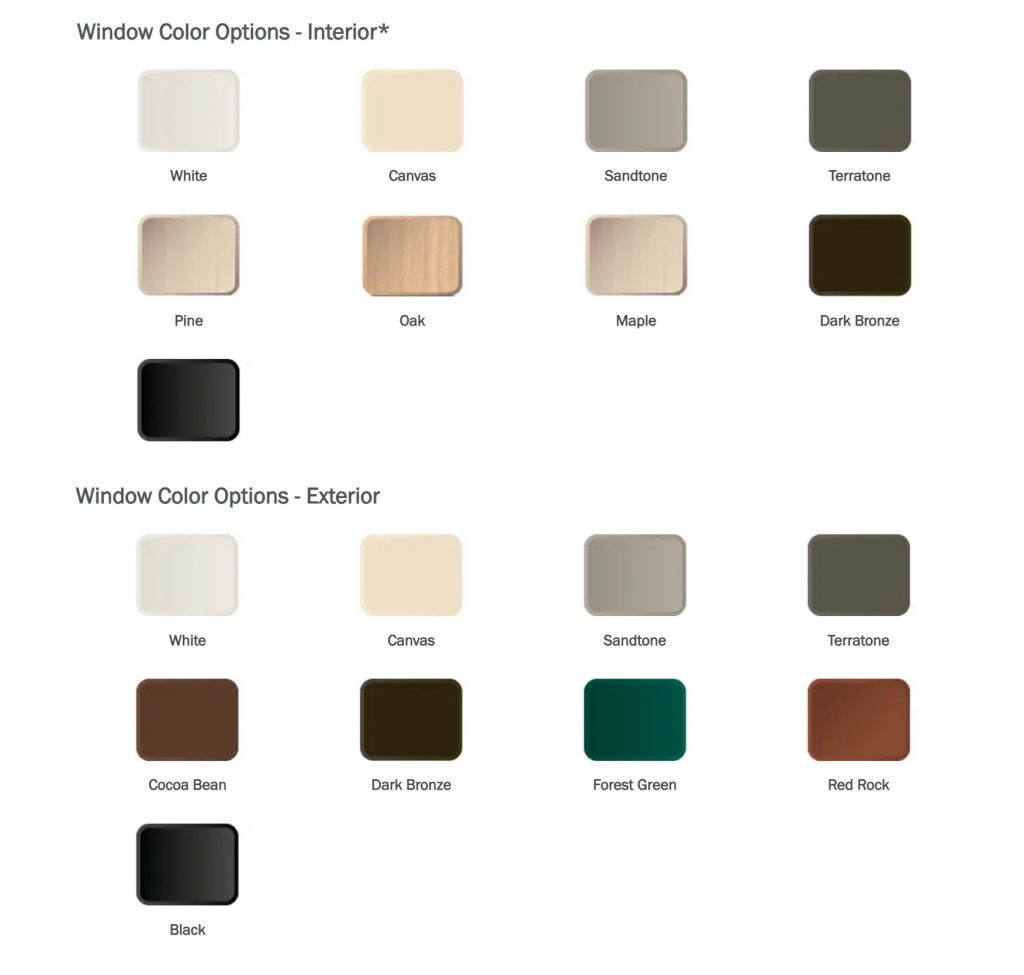
| Custom sizing and finishes | Suppliers may offer made-to-order dimensions, colours, surface finishes, and combinations of panels and glazing; options differ by product range. | Obtain approved shop drawings and written confirmation of dimensions, finish, lead time, and tolerances. |
| Supplier and import checks | China-based manufacturers and suppliers serve domestic projects and may also support export orders. Capabilities, product availability, and service arrangements vary. | Verify the contracting entity, product documentation, sample quality, packaging, delivery terms, installation support, warranty, and after-sales process. |
Note: Specifications and regulatory obligations depend on the product and its intended use. Confirm current requirements and test documents for the specific project before purchase.
Related Posts
-
2026 Top Pella Entry Doors for Your Home Design Needs?
-
Top Pella Exterior Doors Options for Your Home Design Needs?
-

Top 10 Benefits of Prehung Exterior Doors You Should Know?
-
10 Tips for Choosing Exterior Double Doors
-
What is the Best Material for Steel Front Doors and Their Benefits
-

10 Best Exterior Doors with Glass to Enhance Your Home's Curb Appeal?