What is the Best Wood Front Door for Your Home?
Choosing the right wood front door can truly transform your home’s exterior. A high-quality wood front door adds character, warmth, and charm. The selection process is vital. It’s about more than just aesthetics; durability and energy efficiency are crucial too.
When considering a wood front door, factors such as wood species, finish, and design matter. Oak, mahogany, and pine create unique looks. Each type has its benefits and drawbacks. For instance, oak is sturdy but may require more maintenance. Mahogany offers a rich color but can be expensive.
Additionally, one must reflect on how the door complements the home’s architecture. A mismatched style can be jarring. The best choice is one that enhances your home’s overall appearance while providing security. Rely on expert advice to navigate the options and make an informed decision. Your perfect wood front door awaits, but every choice can lead to reflection and learning.
Factors to Consider When Choosing a Wood Front Door
Choosing a wood front door is an essential decision for any homeowner. Many factors should influence your selection. One key aspect is the type of wood. Hardwoods, like oak and mahogany, offer durability and a classic look. Softer woods, such as pine, can be less expensive but may require more maintenance. Consider the climate in your area, too. Extreme temperatures can warp wood.
Another critical factor is the door's style. The design should complement your home’s architecture. A simple, modern door may suit a contemporary home, while intricate designs can enhance a traditional one. Look for finishes that protect the wood while adding to its beauty. Stains can enhance grain patterns, while paint offers a uniform look.
Pay attention to insulation properties as well. A well-insulated door will help regulate your home's temperature. This can lead to energy savings over time. Not every door comes with good insulation, so this is worth checking. Reflect on your personal style and practical needs. The perfect door should blend aesthetic appeal with functionality.
Types of Wood Suitable for Front Doors
When selecting a wood front door, various types of wood are ideal for different climates and preferences. For instance, Mahogany is known for its durability and elegance. It's often favored for its resistance to weather changes. According to the American Wood Council, Mahogany maintains its integrity even in harsh environments, making it a solid choice for front doors.
Another excellent option is Douglas Fir. It boasts strength and a beautiful grain, appealing to homeowners seeking a classic look. According to a report from the Forest Products Laboratory, Douglas Fir performs well as a structural wood, ensuring longevity. Additionally, it absorbs paint and stain effectively, enhancing its visual appeal.
Redwood is also popular, thanks to its natural resistance to decay. The U.S. Forest Service notes that Redwood remains stable in humid areas. However, potential buyers must consider its cost and availability. Sustainable sourcing is crucial to ensure your choice doesn't harm the environment. Balancing aesthetics with ecological responsibility can be challenging but worthwhile. Each wood type has its unique qualities and limitations, making careful consideration essential.
Design Styles for Wood Front Doors: Traditional to Modern
When selecting a wood front door, consider your home's design style.
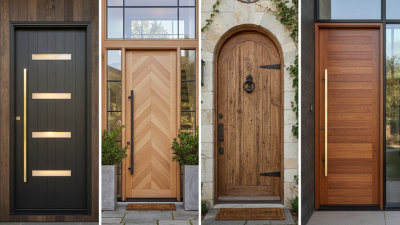
A traditional home often features solid wood doors with rich intricacies. Think of
paneling and raised designs that evoke a sense of craftsmanship.
Colors like deep mahogany or classic oak
can enhance the warm, inviting feel.
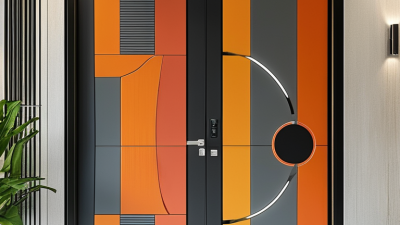
Modern homes, on the other hand, may opt for minimalist designs.
Sleek, flat surfaces with fewer embellishments are more fitting.
Light-colored woods, such as maple or birch,
can create a fresh look. Large glass panels can also provide a contemporary twist while letting natural light in.
Reflect on how each style resonates with your personal taste.
A traditional door may feel nostalgic, but it could also clash with a sleek, modern facade.
Conversely, a very modern door might seem out of place on an older home.
Striking a balance is key, and it may take time to find the perfect fit.
Your front door should not just serve as an entry but also as a reflection of who you are.
Maintenance Tips for Preserving Your Wood Front Door
Maintaining a wood front door is essential for its longevity and aesthetic appeal. Start by regularly inspecting the door for cracks or discoloration. These signs indicate that it needs attention. Sunlight can fade the color, and moisture can cause warping. Simply wiping it down with a damp cloth can help remove dirt and grime, but it’s not enough to protect the finish.
Applying a protective sealant is crucial. At least once a year, consider reapplying varnish or a wood preservative. This helps to shield the door from the elements. Pay attention to both the exterior and interior surfaces. If you notice peeling or bubbling, it’s time to sand it down and refinish.
Don’t forget the hardware, too. Check hinges and knobs for rust. Cleaning them with oil can significantly extend their life. It’s easy to overlook these small details, but they contribute to the door's overall functionality. Regular maintenance can prevent costly repairs down the road.
Cost Considerations for Wood Front Doors and Installation
When choosing a wood front door, cost plays a significant role. Wood doors can range from $500 to over $5,000 depending on the type and design. Basic models start around $1,000, whereas custom designs can reach exorbitant prices. This variety reflects materials like oak, mahogany, or fir, which vary in cost and durability.
Installation is another factor to consider. Professional installation costs between $300 and $800, depending on complexity. The National Association of Realtors notes that proper installation enhances security and efficiency. Unprofessionally installed doors may lead to drafts or security issues. This leads homeowners to sometimes overlook the overall value of quality installation.
In terms of longevity, a well-maintained wood door can last decades. However, neglect can cause rot or warping, leading to costly repairs. Regular maintenance can mitigate this risk. A study by Remodeling Magazine found that homeowners can recover about 70% of the cost of a new entry door in added home value. This means a quality wood front door can be an investment, not just an expense.
Cost Comparison of Different Wood Front Doors
This chart illustrates the average cost of various types of wood front doors. Oak and Mahogany are at the higher end of the spectrum, while Pine is the most affordable option.