2026 Best Front Entry Doors for Global Buyers
Choosing among the 2026 best front entry doors requires more than comparing colors, prices, and online photographs. A front door protects the home, shapes first impressions, and influences daily comfort. Global buyers must consider climate, security standards, installation methods, and long-term maintenance before ordering.
This guide examines practical door materials, thermal performance, weather resistance, glazing, hardware, and design flexibility. Fiberglass doors can resist moisture and temperature changes, while engineered timber offers natural texture with careful sealing. Steel doors provide strength, but exposed edges may need protection in humid regions. Solid wood remains attractive, although its performance depends heavily on craftsmanship and local weather conditions.
We also consider real purchasing details. Check rough-opening measurements twice. Confirm hinge positions, swing direction, threshold height, and delivery packaging. A beautiful door can become a costly mistake if regional installation requirements are ignored. Energy ratings and certification labels should be verified through recognized manufacturers or testing bodies, not assumed from marketing language.
There is no universal winner. Coastal homes, snowy streets, and hot urban apartments need different solutions. Even experienced buyers can overlook small details, such as condensation around glass or incompatible smart locks. That uncertainty deserves honest attention. By comparing verified specifications, supplier experience, warranty terms, and professional installation support, buyers can choose a front entry door that looks appropriate and performs reliably across changing conditions.
2026 Front Entry Door Types: Materials, Designs, Sizes, and Performance Data
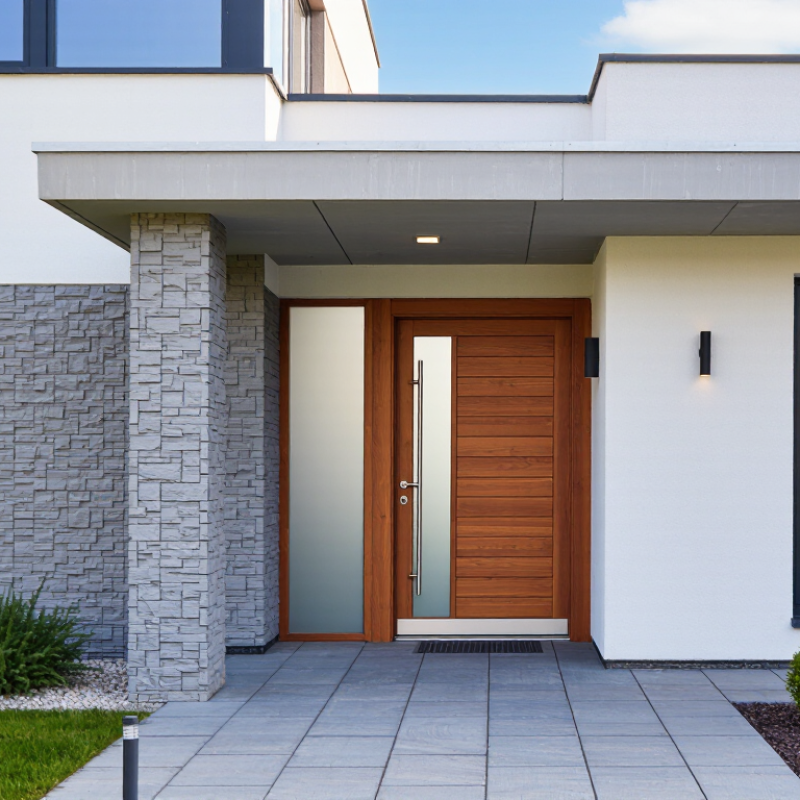
Choosing a front entry door in 2026 requires more than attractive photography. Material affects durability, insulation, maintenance, and security. Fiberglass resists dents and moisture, while steel offers strong impact resistance. Wood provides natural grain and repairable surfaces, but needs careful sealing in humid climates. Composite doors can balance appearance and stability, although quality varies between constructions.
My practical rule is simple: inspect the frame, threshold, hinges, and weather seals, not only the slab. No door performs alone.
Design should suit the building envelope. Flush panels look contemporary, while glazed panels increase daylight but may reduce privacy.
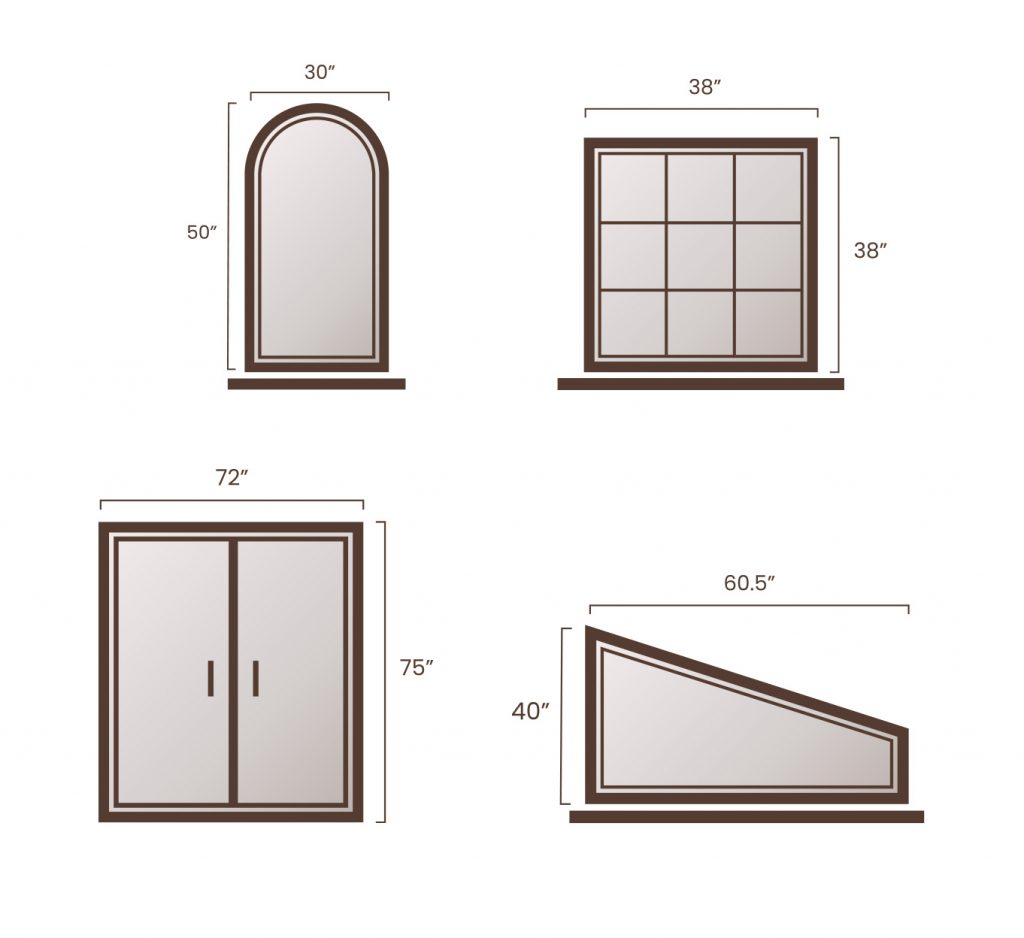
Check low-emissivity glass, laminated safety glazing, and multi-point locking where local codes permit. Common single-door sizes include 36 by 80 inches, or approximately 914 by 2032 millimeters. Wider openings may use 60- or 72-inch double-door systems. Measure the rough opening, wall thickness, swing clearance, and threshold height before ordering.
Lower U-factor generally means better insulation. Air leakage ratings should be low, while water resistance depends on testing, installation, and drainage. Published figures can mislead when test conditions differ from your climate.
Tips: Request verified U-factor, air-leakage, and water-penetration data. Confirm the tested size and configuration. Use a qualified installer for shimming, flashing, and sealant. A beautiful door can still leak after one careless installation.
Thermal Efficiency: U-Factor, SHGC, Air Leakage, and ENERGY STAR Criteria
In 2026, global buyers should judge an entry door by measured thermal performance, not appearance alone. A door may look solid yet allow cold air around its frame. U-factor measures heat transfer. Lower values generally indicate better insulation. However, compare complete door assemblies, including glass, panels, frame, and sill.
SHGC shows how much solar heat enters through glazed areas. Lower SHGC can help hot climates, while moderate values may benefit colder regions. Air leakage is equally important. Look for tested ratings reported in cubic feet per minute per square foot. A tighter door improves comfort, but installation quality often decides the result. Small gaps beneath the sill can defeat expensive insulation.
Tips: Ask for independent test reports and the product’s climate suitability. Check whether ENERGY STAR certification applies in your target market and product category. Requirements can change by region, so verify current criteria before purchasing. Also inspect weatherstripping, adjustable thresholds, and corner seals. These details are easy to overlook.
From practical assessments, I have found that advertised numbers need context. A lower U-factor does not guarantee better performance in every home. Oversized glass, dark exterior finishes, or poor wall connections can change real results. Buyers should compare verified data, installation instructions, warranty terms, and local building requirements. The most efficient door is still a weak choice if installers cannot seal it properly.
Security Engineering: Multipoint Locks, Impact Ratings, and EN 1627 Resistance Classes
For global buyers, front-door security begins with the complete assembly, not the lock cylinder alone. A multipoint lock engages the frame at several points, usually near the top, centre, and threshold. This reduces leverage around the latch side. However, weak hinges, short screws, or a flexible frame can defeat good hardware. The FBI’s 2023 Crime Data Explorer recorded more than 800,000 burglary and breaking-and-entering offenses in the United States, showing why installation details deserve attention.
EN 1627:2021 classifies doors from RC1 to RC6 after resistance testing. RC2 represents basic protection against common hand tools, while RC3 adds resistance against stronger tools and longer attack time. RC4 and above target more determined attacks and usually require heavier construction. The standard’s manual attack sequence is measured in minutes, not vague claims. Check the test certificate, door leaf, frame, glazing, cylinder, and hardware as one system. A certified lock on an uncertified frame is an uncomfortable weakness.
Impact ratings should be reviewed separately. Regional test systems may measure repeated strikes, forced entry, or windborne debris, and their results are not interchangeable. Ask for the exact test method and failure criteria. In practice, a heavier leaf may feel safer, yet poor alignment can stop multipoint bolts from fully engaging. That detail is easy to miss. Experienced installers verify bolt travel after seasonal movement, because a secure-looking door can still leave one locking point inactive.
Global Compliance: U.S. IRC, EU CE Marking, ASTM Tests, and ISO Standards
For global buyers, a front entry door is more than a visual feature. It must match climate, building rules, and documented performance. In the United States, the International Residential Code guides requirements for egress, safety glazing, wind resistance, and energy performance. Local authorities may adopt different editions or amendments. That detail is easy to miss. Ask for the adopted code edition before selecting a tested door assembly.
In Europe, CE marking depends on the applicable harmonized product standard and a valid Declaration of Performance. For many external doors, buyers should review EN 14351-1 documentation, where applicable. Check thermal transmittance, air permeability, watertightness, and wind-load results. ASTM tests can support U.S. specifications, including water penetration, air leakage, structural performance, and forced-entry resistance. ISO standards strengthen quality, environmental, and testing systems. However, ISO certification alone does not prove code compliance. Product files should identify test methods, specimen sizes, hardware, and laboratory details.
Tips: Request complete reports, not only certificates. Check whether the tested frame, lock, glass, and threshold match the supplied configuration. A beautiful door can fail after installation if drainage or anchoring changes. Confirm that the installer understands coastal wind, freezing temperatures, and high humidity. Keep translations consistent across labels and technical files. International documents rarely replace local approval. Early review with a qualified building professional can prevent expensive rework.
Buyer Selection Guide: Climate, Accessibility, Installation, Warranty, and Total Cost
Choosing a front entry door for international use requires more than attractive panels and a low price. Climate should guide the specification. In humid coastal areas, select corrosion-resistant hardware and moisture-stable materials. In cold regions, prioritize insulated cores, tight weather seals, and low thermal transfer. Hot, sunny locations may need a durable finish and controlled glass exposure. Local building codes still matter.
Accessibility deserves practical attention. A clear opening, low threshold, lever handle, and smooth closing action can improve daily use. Check the door swing against hallways, steps, and emergency routes. Measure carefully. Small errors become expensive after delivery. Installation quality also affects security, insulation, and warranty coverage. Use a qualified local installer who understands wall construction and regional requirements. A perfect door can perform poorly when the frame is uneven.
Warranty terms need close reading. Confirm coverage periods, exclusions, maintenance duties, and whether labor or replacement shipping is included. Keep invoices and installation records. Total cost includes transport, customs charges, preparation, hardware, fitting, future repainting, and possible repairs. The lowest quote may not be the lowest cost. However, premium specifications are not automatically better for every home. I would compare at least three written offers and question unclear assumptions. One overlooked detail, such as an unusual wall thickness, can change the entire budget.
2026 Best Front Entry Doors for Global Buyers
Buyer Selection Guide: Climate, Accessibility, Installation, Warranty, and Total Cost
The chart uses a transparent 100-point buyer-weighting model for comparing front-entry doors globally:
climate performance receives the highest priority, followed by total cost, installation, warranty, and accessibility.
Accessibility benchmarks reflect widely used requirements such as an approximately 815 mm minimum clear opening
and a threshold no higher than about 13 mm where ADA-style access criteria apply. Actual code, energy, and warranty
requirements vary by country and project.