Top 10 Types of Exterior Doors With Glass for Global Buyers

Choosing exterior doors with glass is not simply a matter of matching colors or following a design trend. Global buyers must compare daylight, privacy, security, climate, maintenance, and installation standards. A bright glass door can transform a dark hallway, but it can also reveal fingerprints, heat gain, and poor sealing.

Architect and author Sarah Susanka has described windows as “the eyes of the house.” Her observation also applies to glazed entry doors. They connect a home with its surroundings while shaping the first impression. Yet the best choice depends on context. A coastal property may need corrosion-resistant hardware. A cold-region home may require low-emissivity glass and insulated frames. A compact urban entrance may benefit from frosted or textured glazing.

This guide examines ten practical types of exterior doors with glass for buyers worldwide. It covers full-view, half-glass, French, sliding, folding, pivot, steel, fiberglass, wooden, and smart-ready designs. Each type offers a different balance of appearance, performance, and cost. Some are elegant but demanding. Others look modest but perform reliably.

Specifications can be confusing. Labels such as “energy efficient” are not enough without measurable ratings. Buyers should check glass composition, frame materials, weather resistance, drainage, and warranty coverage. Local conditions matter more than showroom lighting. This overview is useful, but it is not a substitute for professional measurement. Even experienced buyers sometimes overlook threshold height or opening direction. That small mistake can become expensive.

Top 10 Types of Exterior Doors With Glass for Global Buyers

How Exterior Doors With Glass Are Classified

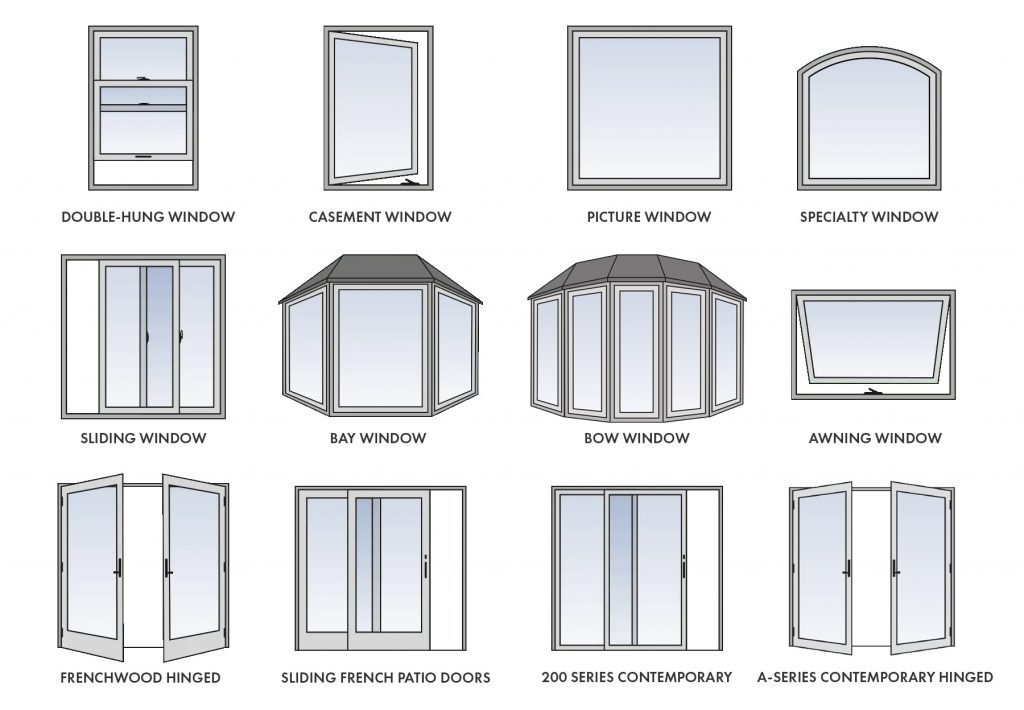
Exterior doors with glass are classified by their opening method, frame material, glass design, and weather performance. Common configurations include single hinged doors, double French doors, sliding patio doors, folding doors, pivot doors, and storm doors. Doors with sidelights or transoms add fixed glass around the main leaf. These are useful where entryways need more daylight.

Frame materials create another practical category. Wood offers warmth and can be repaired, but it needs regular sealing in humid climates. Aluminum is light and resists corrosion, although poor thermal breaks may cause condensation. Fiberglass provides stable performance with limited maintenance. Steel feels secure and strong, yet damaged coatings can develop rust. Material selection should match wind, rain, sunlight, and coastal exposure.

Glass is also classified by safety and energy behavior. Tempered glass breaks into small fragments, while laminated glass holds together after impact. Low-emissivity glazing can reduce heat transfer, and double glazing improves insulation in many regions. Clear, frosted, tinted, and patterned glass control privacy and daylight differently. On site, a clear panel may brighten a dark hall, but it can expose an entryway at night. That choice is not always perfect. Buyers should check frame drainage, hardware quality, installation tolerances, and local safety requirements before comparing prices.

Ten Common Types of Exterior Doors With Glass

Top 10 Types of Exterior Doors With Glass for Global Buyers

Ten Common Types of Exterior Doors With Glass

Exterior glass doors bring daylight, ventilation, and stronger visual connection outdoors. The U.S. Department of Energy reports that windows can cause 25–30% of household heating and cooling energy use. Glass selection therefore matters. The International Energy Agency also states that buildings consume about 30% of global final energy. Regional climate should guide every purchase. A beautiful glass door can still be the wrong choice.

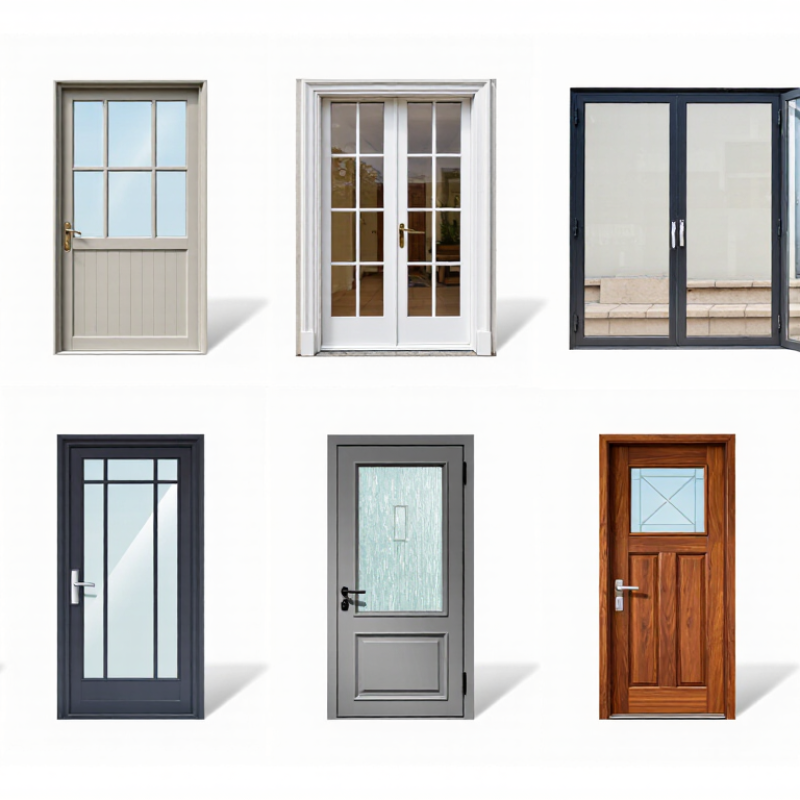
Ten common types include single hinged doors, French double doors, sliding patio doors, bi-fold doors, pivot doors, Dutch doors, storm doors, full-view doors, half-lite doors, and doors with sidelights or transoms.

Single hinged models suit compact entrances. French doors create a wider opening but need accurate alignment.

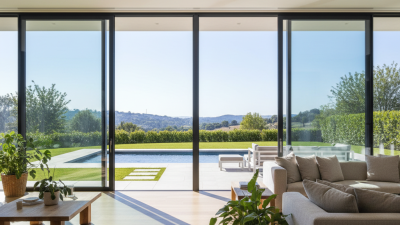
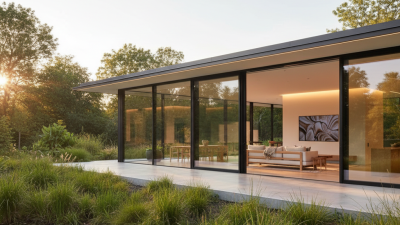
Sliding doors save floor space. Bi-fold systems open broadly, although their hardware requires regular adjustment.

Pivot doors offer drama, yet poor sealing can reduce comfort.

For cold regions, low-emissivity double glazing and insulated frames deserve attention. In storm-prone areas, laminated glass may provide better impact protection than ordinary glass. NFRC labeling helps buyers compare U-factor and solar heat gain coefficient. Local certification still matters.

This part is often overlooked. The 2024 Houzz & Home Study shows that homeowners continue investing in exterior upgrades, but preferences vary widely by region.

Buyers should check drainage, threshold height, frame material, and replacement-glass availability before ordering. The list is useful, not perfect. Door performance depends heavily on installation quality.

Glass, Frame, and Opening Design Options

Exterior doors with glass differ greatly in light, insulation, and daily operation. Clear glass brightens a shaded hallway, while frosted or textured glass improves privacy near bedrooms. Laminated glass can reduce noise and hold together after impact. Low-emissivity coatings help limit heat transfer in changing climates. However, a decorative pattern may collect dust more visibly than expected.

Frame selection also shapes performance. Thermally broken aluminum frames suit modern pivot and sliding doors, especially in humid coastal areas. Fiberglass frames resist swelling and can work well for hinged entry doors. Timber frames bring warmth to French and double doors, but they need regular sealing. In my project experience, poorly sealed timber caused drafts around the lower corners. That mistake was preventable.

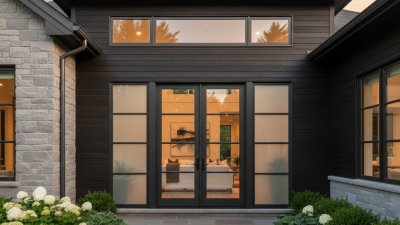
Opening design should match the room and the weather. A single hinged door needs a clear swing path and strong hinges. Double doors create a generous entrance, but their meeting point requires careful weather sealing. Sliding doors save space and suit patios, although their tracks need frequent cleaning. Folding systems open widely, yet they demand accurate installation. Small details matter. Check threshold height, drainage, handle reach, and screen-door clearance before ordering. Regional wind, rain, and accessibility requirements should guide the final configuration. Even an attractive glass door can feel wrong when it blocks furniture movement.

Safety, Energy Efficiency, and Weather Resistance

Top 10 Types of Exterior Doors With Glass for Global Buyers

Exterior glass doors should balance safety, energy efficiency, and weather resistance. Popular choices include hinged, French, sliding, pivot, folding, bifold, Dutch, patio, storm, and full-view entry doors. Each design suits different climates and building layouts.

Choose laminated or tempered glass for stronger impact protection. Multi-point locks can improve security, but installation quality matters just as much. Low-E glass, insulated frames, and warm-edge spacers help reduce heat transfer. In colder regions, argon-filled glazing may improve performance. In hot climates, solar-control glass can limit indoor heat and glare. Weather seals should remain flexible and continuous around the frame. Even a beautiful door can fail when water enters beneath it.

Tips: Check the local wind, rain, and temperature conditions before ordering. Ask for tested U-values, air-leakage data, and water-penetration results. Inspect the sill, hinges, drainage holes, and locking points. A small gap can become a serious draft. Do not rely on glass thickness alone; the complete door system must be tested. No door is perfect. Recheck seals after seasonal changes, because materials expand, shrink, and sometimes settle unevenly.

Top 10 Types of Exterior Doors With Glass for Global Buyers - Safety, Energy Efficiency, and Weather Resistance
Rank Exterior Door Type Typical Glass Configuration Safety Potential Energy Efficiency Potential Typical Whole-Door U-Factor* Weather Resistance Potential Recommended Applications Key Buying Considerations
1 Insulated Full-View Hinged Door Large insulated glass panel; double or triple glazing; tempered or laminated safety glass High
With laminated glass, reinforced frame, quality locks, and multipoint hardware
High
Low-emissivity coating, warm-edge spacer, insulated core, and thermally broken frame improve performance
Approximately 1.1–1.8 W/m²·K High
Effective compression seals and a properly designed sill provide strong resistance to wind-driven rain
Main entrances, energy-conscious homes, temperate and cold climates Check glass certification, air leakage, water penetration, wind-load rating, threshold design, and installation quality
2 Half-Lite Hinged Entry Door Glazing in the upper half; insulated double glazing is common; tempered or laminated glass recommended High
Less exposed glass area than full-view designs while retaining daylight
High
Solid lower panel and insulated core can reduce heat transfer
Approximately 1.0–1.7 W/m²·K High
Good sealing performance when the door leaf, frame, and sill are correctly matched
Residential front doors, apartments, colder or windy regions Choose low-e insulating glass and verify the complete door-system rating rather than glass performance alone
3 Three-Quarter-Lite Hinged Door Glass covers approximately three-quarters of the leaf; insulated double or triple glazing High
Use laminated glass where security and impact resistance are priorities
Medium–High
More glazing increases heat transfer compared with a half-lite door
Approximately 1.2–2.0 W/m²·K High
Weather performance depends mainly on gasket continuity, sill drainage, and frame construction
Entryways requiring substantial daylight without a fully glazed leaf Evaluate solar heat gain, orientation, shading, and the risk of overheating in sunny climates
4 French Door with Glass Two hinged leaves with large glass areas; insulated tempered or laminated glazing Medium–High
Security depends on multipoint locking, passive-leaf bolts, and reinforced hinges
Medium
Two meeting stiles and larger glass areas create more potential air-leakage paths
Approximately 1.4–2.2 W/m²·K Medium–High
Requires accurate alignment, effective astragal seals, and a well-drained sill
Patios, balconies, garden rooms, and wide interior-to-exterior openings Inspect the meeting-stile seal, passive-leaf locking system, sill drainage, and wind-load certification
5 Sliding Patio Door with Glass Large insulated glass panels; double or triple glazing; tempered safety glass commonly used Medium–High
Use laminated glass, anti-lift devices, secure rollers, and multipoint locks where available
Medium–High
Thermally improved frames and low-e glazing reduce losses, but sliding seals can be less airtight than hinged seals
Approximately 1.4–2.5 W/m²·K Medium–High
Performance relies on weep holes, interlocking seals, sill drainage, and correct track installation
High-traffic patios, balconies, accessible routes, and space-limited areas Check air leakage, water resistance, roller durability, anti-lift protection, and track drainage
6 Bi-Fold or Folding Glass Door Multiple glazed panels connected by hinges; insulated safety glass is typical Medium
Many panel joints require robust hardware and secure locking across the full opening
Medium
Multiple frame joints and seals generally create more thermal bridges and leakage paths
Approximately 1.6–2.8 W/m²·K Medium
Requires carefully engineered tracks, gaskets, drainage, and structural support
Wide openings, outdoor entertaining areas, restaurants, and warm climates Confirm maximum panel size, operating cycle rating, structural deflection limits, and sill water management
7 Pivot Entry Door with Glass One large leaf rotating on top and bottom pivots; narrow or full-height insulated glazing options Medium–High
Can be highly secure with concealed multipoint locks and laminated glass, but hardware design is critical
Medium
Large leaves and specialized seals may reduce efficiency compared with conventional hinged doors
Approximately 1.4–2.4 W/m²·K Medium–High
Threshold height, compression seals, and precision installation are especially important
Contemporary entrances, large architectural openings, and sheltered façades Verify pivot-load capacity, perimeter compression, drainage, wind-load rating, and accessibility requirements
8 Storm Door with Glass Single or interchangeable tempered glass panel; sometimes combined with a screen panel Medium
Adds a secondary barrier but is not a substitute for a secure primary entry door
High
Creates an additional air space and can reduce exposure of the main door to weather
Approximately 1.2–2.0 W/m²·K for the combined door assembly, depending on the primary door High
Helps protect the primary door from rain, snow, and ultraviolet exposure when properly installed
Exposed entrances, cold climates, wet climates, and homes needing seasonal ventilation Check closer strength, insect-screen interchangeability, bottom sweep, ventilation position, and corrosion resistance
9 Dutch Door with Glass Two independently operating leaves; upper leaf commonly includes insulated safety glazing Medium
Use interconnected locks and secure bolts to prevent separation between the two leaves
Medium
The horizontal meeting joint introduces an additional potential air-leakage path
Approximately 1.5–2.4 W/m²·K Medium
Requires an effective center seal, accurate alignment, and well-designed sill drainage
Country homes, kitchens, service entrances, and locations requiring controlled ventilation Inspect the center joint seal, locking coordination, water-shedding details, and wind exposure suitability
10 Entry Door with Sidelites Hinged door combined with one or two fixed glazed panels; insulated tempered or laminated glass High
Use laminated sidelites and reinforced mullions to improve resistance to impact and forced entry
Medium–High
More glazing increases solar and thermal transmission, but insulated low-e units improve performance
Approximately 1.2–2.1 W/m²·K High
Fixed sidelites can be weather-tight when mullions, perimeter seals, and sill flashing are correctly designed
Grand entrances, wider hallways, daylight-focused façades, and commercial buildings Check mullion strength, glass safety classification, condensation resistance, flashing, and threshold continuity

*Typical whole-door U-factor ranges are indicative values for complete door assemblies using insulated frames and low-e double glazing; lower values indicate better thermal insulation. Actual performance varies with frame material, glass specification, size, hardware, climate, installation, and applicable regional testing standards. Safety and weather-resistance ratings describe practical performance potential, not a universal certification grade.

How Global Buyers Can Compare and Choose a Door Type

Global buyers should compare exterior glass doors by climate, exposure, and verified performance, not appearance alone. The International Energy Agency’s Buildings 2023 report states that building operations use about 30% of global final energy. A poorly selected glazed door can increase heat gain, drafts, and maintenance demands.

Start with the door type: hinged, sliding, folding, pivot, French, storm, security, patio, bi-fold, or insulated steel doors. Measure the opening carefully. Then check the U-factor, solar heat gain coefficient, air leakage, water resistance, and visible glass area. Lower U-factor generally means better insulation. A high solar heat gain coefficient may suit cold regions, but it can overheat rooms in tropical climates. Climate changes everything. NFRC certification provides comparable rating data, while ISO 10077 supports thermal-transmittance calculations for windows and doors.

Glass selection needs equal attention. Double glazing may be adequate for mild zones, while triple glazing can improve comfort in colder regions. Low-emissivity coatings and warm-edge spacers reduce radiant heat transfer. Ask for test reports under recognized standards, not only sales claims. The U.S. Department of Energy notes that windows, skylights, and doors can represent significant residential heating and cooling losses. Installation matters just as much. A good door with an uneven threshold still leaks air. I have seen this overlooked. Global buyers should also compare corrosion resistance, drainage paths, hardware cycles, replacement parts, and local installer capability. The cheapest quotation may become expensive after one wet season.